Revanth Reddy Reviews El Niño Farm Risk, Eyes School Kitchen Link
Synopsis
Telangana CM Revanth Reddy chaired an expert review on El Niño risks to agriculture on 30 July 2026, directing officials to supply subsidised seeds for organic and alternative crops and to build a direct farmer-to-school-kitchen procurement system to ensure remunerative prices and quality student nutrition.
Key Takeaways
Revanth Reddy held an expert committee review on 30 July 2026 on El Niño's impact on the state's agricultural sector.
The government announced readiness to supply subsidised seeds for organic vegetables and alternative crops to encourage farmer diversification.
Officials were directed to design a system to procure vegetables directly from farmers for centralised school kitchens supplying breakfast and midday meals.
The direct procurement model aims to deliver remunerative prices to farmers and quality nutrition to government school students simultaneously.
The CM reiterated support for drip irrigation, sprinkler cultivation, and scientific farming as tools to build climate resilience across Telangana's farm sector.
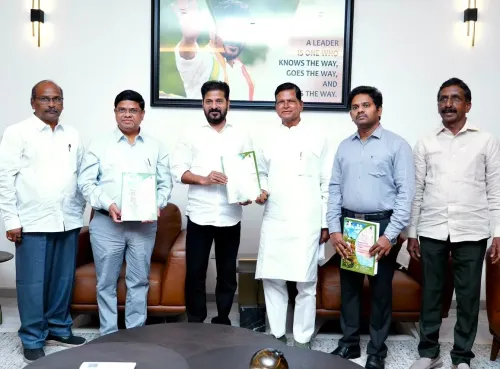
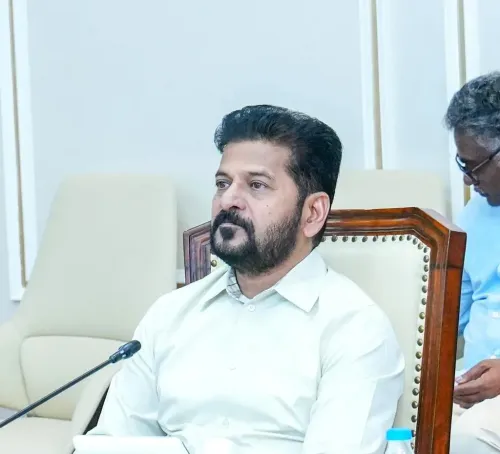
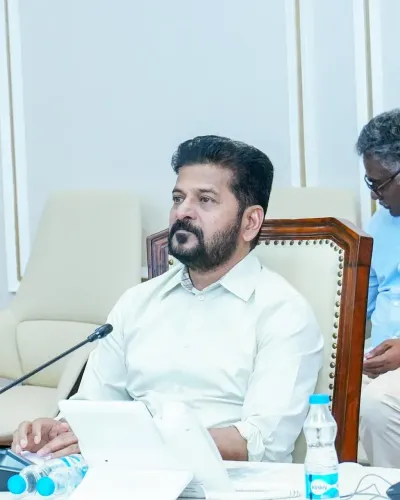
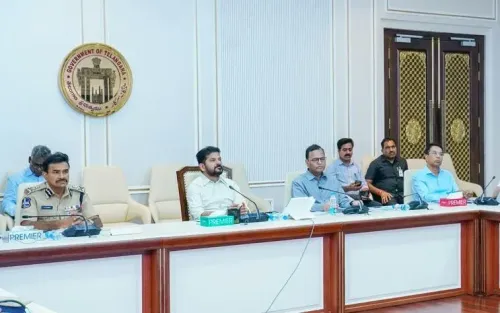
With El Niño threatening Telangana's monsoon and the kharif season already under pressure, Telangana Chief Minister A. Revanth Reddy convened an expert committee review on Thursday, 30 July 2026 to map out pre-emptive moves for the state's farming sector — and emerged with a plan that ties farmer survival directly to what schoolchildren eat.
What the expert committee was asked to solve
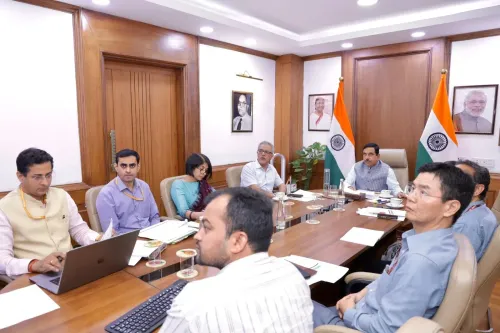
The Chief Minister chaired a review with a panel of specialists to assess the impact of El Niño conditions on Telangana agriculture and identify advance measures the government must take. El Niño — the periodic Pacific warming event that historically suppresses Indian monsoon rainfall — has repeatedly squeezed kharif output across peninsular India. Telangana, whose agricultural economy leans heavily on rice, vegetables, and horticulture, is particularly exposed when the rains falter.
Revanth Reddy directed officials to encourage farmers to shift toward organic cultivation of vegetables and alternative crops, and confirmed the government is ready to supply the required seeds at subsidised rates. The Congress government in Telangana has signalled crop-diversification support since assuming office in December 2023, and this review formalises the climate-risk dimension of that commitment.
Farm gate to school plate — the procurement idea
The sharpest instruction from the meeting: officials were told to design a system that sources vegetables and other farm produce directly from farmers for the centralised kitchens being set up to supply breakfast and midday meals to students in government schools. The logic is elegant — farmers get a guaranteed, remunerative price; students get fresh, locally grown nutrition; and local agriculture gets a steady institutional buyer that doesn't vanish with market swings.
Telangana's school meal programme already reaches a large number of children across government institutions, and centralised kitchens are intended to standardise quality and scale. Routing procurement through farmers rather than commercial intermediaries would be a structural shift — though the formal mechanism for this direct linkage is yet to be established and its rollout will be the real test of the intent expressed in Thursday's meeting.
Drip lines, sprinklers, and the climate adaptation pitch
Beyond procurement, the Chief Minister outlined a broader climate-adaptation toolkit: drip irrigation, sprinkler cultivation, alternative cropping patterns, and scientific farming methods as the instruments through which the government intends to help farmers navigate weather volatility. Revanth Reddy framed it as a standing commitment — 'every measure to stand as a reassurance to the farmer while overcoming climate challenges will be continued by our government.'
He closed with a clear statement of the stakes: a strong farming community is the foundation of food security and public health. The hashtags #OrganicFarming and #FarmersFirst signal the political branding around the initiative, but the operational substance — subsidised seeds, direct procurement architecture, irrigation push — will determine whether the review translates into field-level change before the season turns critical.
Point of View
Addressing the perennial price-risk that drives distress in smallholder agriculture. The El Niño framing gives the Congress government a politically defensible reason to push crop diversification, a policy that often meets farmer resistance when presented as ideology rather than necessity. The real test is institutional: whether a formal, transparent procurement mechanism actually gets built, or whether the directive remains aspirational. If executed, it could become a replicable model for other states grappling with climate volatility and rural income instability simultaneously.
NationPress
31 Jul 2026
Frequently Asked Questions
Why did Telangana CM Revanth Reddy hold an expert committee review in July 2026?
He convened the review to assess the impact of El Niño weather conditions on Telangana's agricultural sector and to identify advance measures the government should take to protect farmers before the season worsens.
What is the Telangana government's plan for subsidised seeds?
The government announced it is ready to provide seeds for organic vegetables and alternative crops at subsidised rates to encourage farmers to shift away from water-intensive or high-risk crops during El Niño conditions.
How does the school kitchen farmer procurement plan work?
Officials were directed to build a system that sources vegetables and farm produce directly from Telangana farmers for the centralised kitchens supplying breakfast and midday meals to government school students, giving farmers a guaranteed buyer at remunerative prices.
What is El Niño and why does it affect Telangana farming?
El Niño is a periodic Pacific Ocean warming event that typically suppresses Indian monsoon rainfall. Telangana's agriculture — centred on rice, vegetables, and horticulture — is vulnerable to below-normal rains that reduce yields and farm incomes.
What irrigation methods did Revanth Reddy promote for climate resilience?
The CM highlighted drip irrigation and sprinkler-based cultivation, along with alternative cropping patterns and scientific farming methods, as tools to help Telangana farmers manage water scarcity and weather volatility.