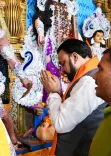
Rijiju Calls for Cleanliness at Heritage Sites, Cites Modi
Synopsis
Union Minister Kiren Rijiju invoked PM Modi's Swachh Bharat message on 19 October 2026, calling the cleanliness of India's heritage sites every citizen's shared responsibility and urging people to inspire others to keep public cultural spaces spotless.
Key Takeaways
Union Minister Kiren Rijiju posted on 19 October 2026 urging citizens to keep heritage and public sites clean.
He cited PM Narendra Modi's Swachhata message as the inspiration, tagging the Prime Minister's handle directly.
The post used hashtags #SwachhBharatAbhiyan and #Swachhata , marking it as coordinated campaign messaging.
Swachh Bharat Abhiyan was launched on 2 October 2014 and has since expanded its scope to cover monuments and cultural public spaces.
Rijiju framed cleanliness of heritage sites as an expression of national cultural identity, not merely a civic duty.
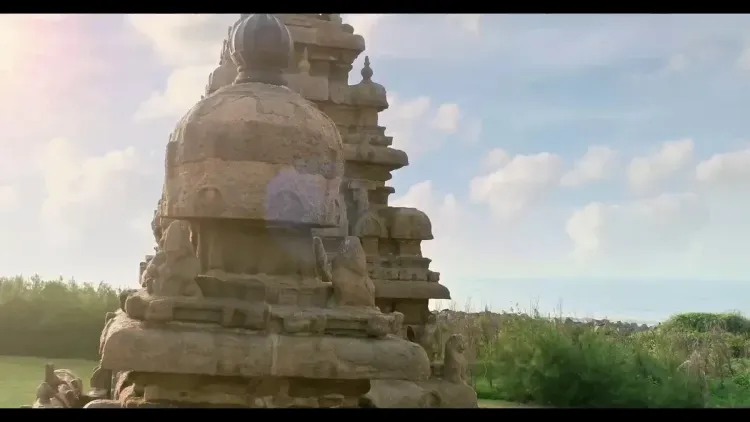
Our heritage sites are only as glorious as the hands that keep them clean — and Union Parliamentary Affairs and Minority Affairs Minister Kiren Rijiju made exactly that point on Monday, 19 October 2026, urging citizens to take personal responsibility for the upkeep of India's cultural landmarks.
Posting in Hindi, Rijiju wrote: 'हमारी विरासत, हमारी गौरवशाली संस्कृति की पहचान है' — 'Our heritage is the identity of our glorious culture' — and called its cleanliness, beauty, and preservation a shared responsibility of every Indian. He explicitly invoked the Swachhata message of Prime Minister Narendra Modi, asking citizens to keep public places clean and inspire those around them to do the same.Swachh Bharat's expanding mandate: from toilets to temples
When PM Modi launched the Swachh Bharat Abhiyan on 2 October 2014 — choosing the birth anniversary of Mahatma Gandhi as the symbolic start date — the campaign's initial focus was urban and rural sanitation: building toilets, ending open defecation, and transforming waste management. Over the years, the mission's scope broadened to cover monuments, public squares, and cultural spaces, weaving the idea of cleanliness into national pride rather than leaving it as a purely civic chore.
Ministers and senior party leaders have since made routine use of social media to reinforce this message, particularly around heritage sites that double as major tourism draws. Rijiju's post carries the twin hashtags #SwachhBharatAbhiyan and #Swachhata, tagging the Prime Minister's official handle — a deliberate signal that this is coordinated campaign communication, not a personal aside.
Why heritage and cleanliness now share the same sentence
The convergence of cultural pride and public hygiene is neither accidental nor new — but it has grown sharper in political messaging. India's heritage economy, from ticketed monuments to living religious sites, is both a tourism revenue source and a soft-power symbol. A litter-strewn heritage corridor undercuts both. By framing cleanliness as sanscriti ki pehchaan — the identity of culture — Rijiju's post attempts to make responsible visitor behaviour feel patriotic rather than merely polite.
The call to 'inspire others' is also a well-worn behavioural nudge from the Swachh Bharat playbook: the campaign has always leaned on peer influence over purely top-down enforcement, asking individuals to model and transmit cleaner habits through their communities.
With parliamentary sessions periodically scrutinising Swachh Bharat funding allocations — and heritage site upkeep increasingly on the policy radar — Rijiju's public reinforcement of the campaign keeps the conversation alive between sessions, right where voters and tourists interact with India's past every day.
Point of View
The party keeps its flagship cleanliness brand alive and top-of-mind in the social-media information cycle, even in the absence of a formal campaign launch. The emphasis on heritage rather than rural sanitation marks a maturation of the Swachh Bharat narrative: as basic infrastructure goals were declared met, the campaign needed a new emotional register, and culture provides it. Whether this translates into measurable improvements at monument sites — or remains aspirational social-media messaging — will depend on the funding and enforcement decisions that surface in the next parliamentary session.
NationPress
19 Oct 2026
Frequently Asked Questions
What did Kiren Rijiju say about Swachh Bharat in October 2026?
Rijiju called the cleanliness, beauty, and preservation of India's heritage and cultural sites a shared responsibility of all citizens, urging people to draw inspiration from PM Modi's Swachhata message and to keep public places clean while encouraging others to do the same.
When was Swachh Bharat Abhiyan launched and by whom?
Prime Minister Narendra Modi launched the Swachh Bharat Abhiyan on 2 October 2014, coinciding with the birth anniversary of Mahatma Gandhi, with an initial focus on sanitation and waste management that later expanded to include monuments and cultural public spaces.
Does Swachh Bharat Abhiyan cover heritage sites and monuments?
Yes. While the campaign began with urban and rural sanitation goals, its scope has progressively expanded to include monuments, heritage corridors, and public cultural spaces as part of linking cleanliness with national pride and tourism upkeep.
Who is Kiren Rijiju?
Kiren Rijiju is a senior BJP leader from Arunachal Pradesh serving as Union Minister of Parliamentary Affairs and Minister of Minority Affairs in the Government of India.
How does the government use social media for Swachh Bharat messaging?
Ministers and senior party leaders routinely post on platforms such as X to reinforce Swachh Bharat messaging around cultural and heritage locations, often citing PM Modi's Swachhata call and using campaign hashtags to coordinate public awareness efforts.