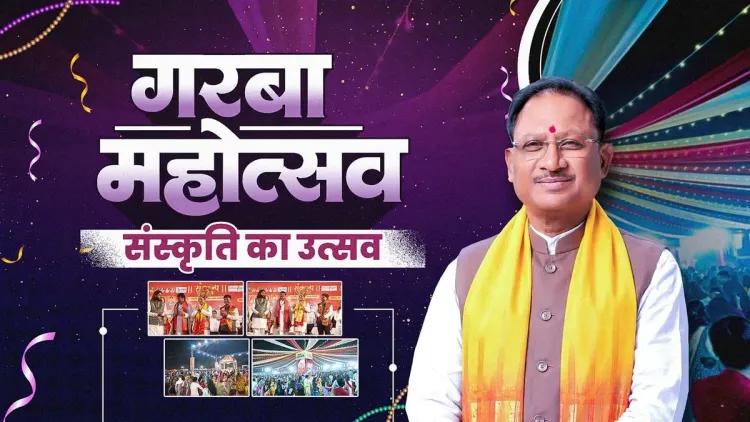
CM Vishnu Deo Sai hails Garba as pillar of 'Viksit Chhattisgarh'
Synopsis
Chhattisgarh CM Vishnu Deo Sai used Navratri 2026 to frame Garba celebrations as an expression of Sanatan heritage, women's empowerment, and the 'Viksit Chhattisgarh' development vision, invoking the Ek Bharat Shreshtha Bharat spirit.
Key Takeaways
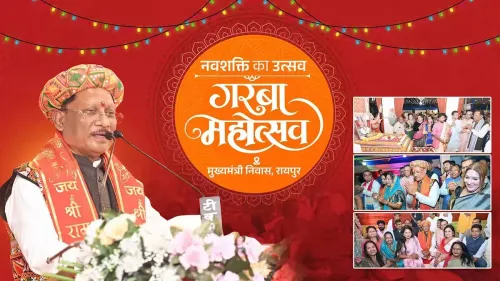
CM Vishnu Deo Sai posted on 19 October 2026 describing the Garba Mahotsav as a celebration of Sanatan culture, living traditions, and cultural diversity.
He invoked the Ek Bharat Shreshtha Bharat initiative, launched in 2015 , to frame the festival as a driver of national unity.
The hashtags #महतारी_का_सम्मान and #महतारी_के_मान use the Chhattisgarhi word for 'mother' to anchor the post in women's empowerment messaging.
Sai outlined a three-part state pledge: respect and empowerment of women, preservation of cultural heritage, and building a 'Viksit Chhattisgarh.' Chhattisgarh is home to significant tribal populations and rich folk traditions, giving cultural messaging strong local resonance.
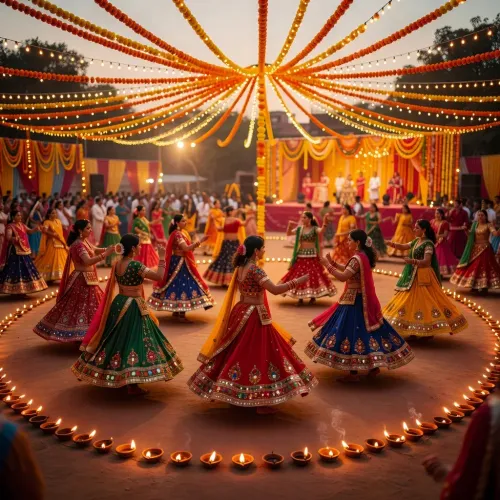
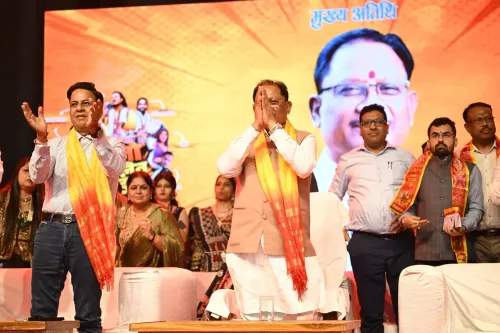
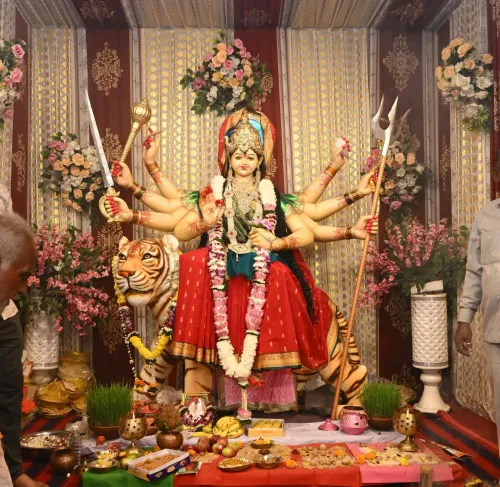
As Navratri 2026 fills courtyards across Chhattisgarh with the swirl of garba, Chief Minister Vishnu Deo Sai has tied the festival's spirit directly to his government's twin pledges: honouring women and building a developed state. The message, posted on Monday, 19 October 2026, frames cultural celebration not as spectacle but as statecraft.
Writing in Hindi, CM Sai described the Garba festival as 'hamari gauravshali Sanatan sanskriti, jeevant paramparaon aur sanskritik vividhata ka sundar utsav' — 'a beautiful celebration of our glorious Sanatan culture, living traditions, and cultural diversity.' He invoked the Centre's Ek Bharat Shreshtha Bharat initiative, arguing that events like these 'connect our heritage to the new generation and further strengthen the spirit of One India, Great India.'
Nari Shakti at the centre of Navratri messaging
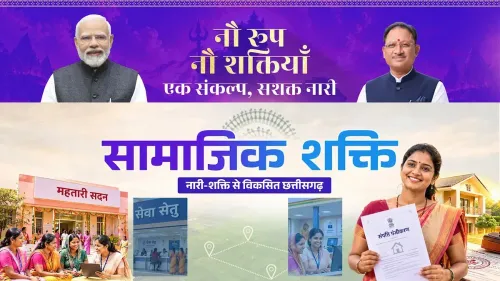
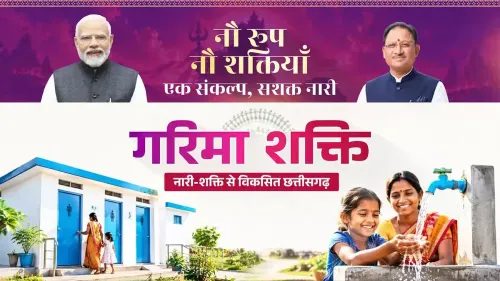
The post's hashtags — #महतारी_का_सम्मान and #महतारी_के_मान — are a pointed use of mahtari, the Chhattisgarhi word for 'mother,' signalling that the Navratri season doubles as a platform to spotlight the state's women-welfare commitments. Sai has consistently paired cultural events with women's empowerment messaging since assuming office in December 2023, and the Navratri window — nine nights of celebrating the divine feminine — offers natural alignment for that narrative.
The three-part pledge he articulated is sharp and deliberate: respect and empowerment of women, preservation of cultural heritage, and the construction of a 'Viksit Chhattisgarh' (developed Chhattisgarh). It is less a festival greeting than a policy summary set to festival music.
Ek Bharat Shreshtha Bharat and the cultural-unity playbook
Ek Bharat Shreshtha Bharat, launched in 2015, was designed to promote national integration through state-to-state cultural exchange programmes. BJP-led state governments have regularly deployed the scheme's language to frame regional festivals as expressions of pan-Indian unity — and Sai's invocation follows that pattern precisely. For a state as culturally layered as Chhattisgarh, home to significant tribal populations and a rich tradition of folk dance, the Garba season offers both symbolic and political resonance.
The #CGNavratri2026 hashtag suggests coordinated state-level programming around this year's festival calendar, positioning Chhattisgarh's Navratri as a government-curated cultural moment rather than a purely community-led one.
When a Chief Minister turns a dance festival into a development manifesto, the message to every voter watching the garba circle is clear: tradition and progress are not competing claims — they are the same promise.
Point of View
Not just festivity. The deliberate use of the Chhattisgarhi word 'mahtari' (mother) rather than the standard Hindi 'mata' is a signal to regional voters that the government speaks their language, literally. Invoking Ek Bharat Shreshtha Bharat scales a local festival into a national-unity argument, lending ideological weight to what might otherwise read as routine seasonal messaging. As Chhattisgarh heads deeper into its current assembly term, these cultural touchpoints are quietly reinforcing the government's identity politics before the next electoral cycle.
NationPress
19 Oct 2026
Frequently Asked Questions
What did CM Vishnu Deo Sai say about Navratri 2026?
CM Vishnu Deo Sai described the Garba Mahotsav as a celebration of Sanatan culture, living traditions, and cultural diversity, linking it to women's empowerment and the 'Viksit Chhattisgarh' vision.
What is the Ek Bharat Shreshtha Bharat initiative?
Ek Bharat Shreshtha Bharat is a national programme launched in 2015 to promote cultural exchange and national integration through state-to-state partnerships and cultural events.
What does 'mahtari' mean in the context of Chhattisgarh politics?
'Mahtari' is the Chhattisgarhi word for 'mother' and has been used by CM Sai's government as a term of cultural respect for women, frequently appearing in state welfare and empowerment messaging.
What is 'Viksit Chhattisgarh'?
'Viksit Chhattisgarh' translates to 'Developed Chhattisgarh' and is a state-level development vision articulated by CM Vishnu Deo Sai's government, aligned with broader national development goals.
When did Vishnu Deo Sai become Chief Minister of Chhattisgarh?
Vishnu Deo Sai assumed office as Chief Minister of Chhattisgarh in December 2023, following the BJP's victory in the state assembly elections.