Rijiju highlights PM-KISAN and fertiliser subsidies for small farmers
Synopsis
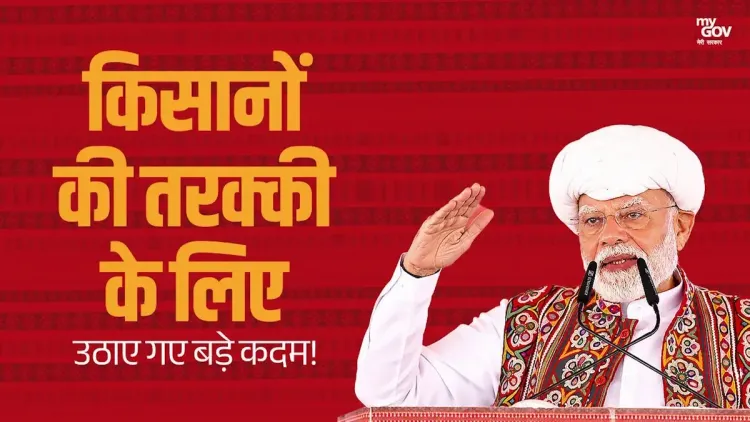
Union Minister Kiren Rijiju quotes PM Modi stressing that over 85 percent of India's farmers are small holders, highlighting PM-KISAN direct transfers and government-absorbed fertiliser price hikes as twin pillars of farm welfare during PM Modi's Gujarat visit.
Key Takeaways
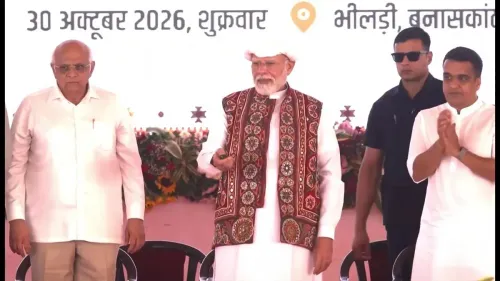
Union Parliamentary Affairs Minister Kiren Rijiju quoted PM Modi on farmer welfare during #PMModiinGujarat on October 30, 2026 .
PM Modi stated that more than 85 percent of India's farmers are small and marginal holders.
PM-KISAN Samman Nidhi , launched in February 2019 , provides Rs 6,000 per year in direct transfers to eligible farmer families.
The government says it absorbed global fertiliser price spikes rather than passing increased costs on to farmers.
The policy framing centres direct benefit transfers and input-cost subsidies as the government's primary tools to protect small farmers from global economic volatility.
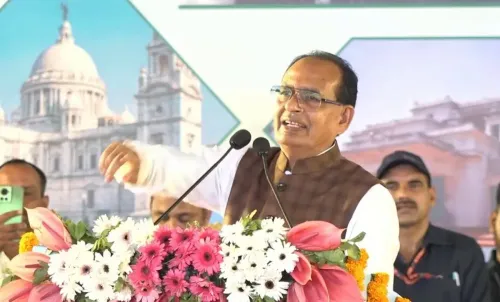
More than 85 percent of India's farming households are small and marginal growers — and it is this overwhelming majority, Union Parliamentary Affairs Minister Kiren Rijiju argued on Friday, October 30, that the Modi government has kept at the centre of its agricultural policy. Quoting Prime Minister Narendra Modi during what the post tags as #PMModiinGujarat, Rijiju pointed to two concrete shields the government has placed between small farmers and economic stress: direct cash transfers through PM-KISAN Samman Nidhi and an absorbed fertiliser-price shock that the Centre chose not to pass on to cultivators.
What PM Modi said about small farmers
The post quotes the Prime Minister directly: 'देश में छोटे किसानों की संख्या 85 प्रतिशत से ज्यादा है' ('More than 85 percent of the country's farmers are small farmers'). The statement frames the government's farm welfare architecture not as a niche intervention but as a programme designed for the statistical mainstream of Indian agriculture. 'Our government took care of these small farmers and reached help to them through PM Kisan Samman Nidhi,' the quote continues.
PM-KISAN: direct cash in a farmer's hand
Launched in February 2019, PM-KISAN is a central sector scheme that delivers Rs 6,000 per year — in three equal instalments — directly into the bank accounts of eligible landholding farmer families. The design bypasses intermediaries, making it one of India's largest direct benefit transfer programmes. For small and marginal holders who typically cultivate under two hectares, each instalment arrives at a critical input-purchase moment in the cropping calendar.
Fertiliser subsidy as a price buffer
The second pillar Rijiju highlights is the government's fertiliser subsidy. Global commodity markets turned turbulent in recent years — supply disruptions and energy-price spikes drove urea and complex fertiliser costs sharply higher internationally. The Prime Minister's quoted remarks acknowledge this directly: 'In the last few years, amid global uncertainties, fertiliser prices rose steeply, but our government, dedicated to farmers, did not let this burden fall on them.' The Union government has consistently absorbed a significant share of fertiliser input costs, keeping retail prices for farmers below market rates — a fiscal choice that has weighed heavily on subsidy allocations in successive Union Budgets.
Gujarat visit as the backdrop
The post is tagged #PMModiinGujarat, situating the remarks within an outreach visit to the Prime Minister's home state. Gujarat's agrarian economy — a mix of cash crops, cotton, groundnut and dairy — makes it a politically resonant stage for messaging on farm welfare. Rijiju, himself a senior BJP leader from Arunachal Pradesh and a member of the Union Cabinet, amplified the remarks as part of what appears to be a coordinated party communication around the visit.
With the next Union Budget cycle approaching and global input-cost pressures still a live variable, how the government calibrates its fertiliser subsidy bill and whether PM-KISAN payments see any revision will determine whether these policy commitments hold for the 85-percent majority they are designed to protect.
Point of View
And any global commodity spike that the government chooses to absorb raises the cost of that commitment significantly. Whether PM-KISAN coverage or payment rates see revision in the next Budget will test whether the political promise and the fiscal arithmetic continue to align.
NationPress
30 Oct 2026
Frequently Asked Questions
What is PM-KISAN Samman Nidhi and who is eligible?
PM-KISAN Samman Nidhi is a central government scheme launched in February 2019 that provides Rs 6,000 per year in three equal instalments directly to eligible landholding farmer families across India, targeting small and marginal cultivators.
What did PM Modi say about small farmers during his Gujarat visit?
PM Modi stated that more than 85 percent of India's farmers are small holders, and that the government has both provided them direct support through PM-KISAN and absorbed global fertiliser price rises so those costs did not fall on farmers.
Why did fertiliser prices rise and how did India's government respond?
Global supply disruptions and energy-price volatility in recent years pushed international fertiliser costs sharply higher. The Indian government responded by maintaining subsidised retail prices for farmers, absorbing the difference through the Union Budget's fertiliser subsidy allocation.
Why is Kiren Rijiju quoting PM Modi on farm welfare?
Rijiju, as a senior BJP Union minister, amplified PM Modi's remarks made during a Gujarat visit, reflecting a coordinated party effort to highlight the government's agricultural welfare record to a rural audience.
How many farmers benefit from PM-KISAN in India?
PM-KISAN targets the large share of India's farmer households classified as small and marginal landholders; the government claims this covers the dominant majority of the country's farming population, though exact current beneficiary numbers would be confirmed in official Budget disclosures.