Rijiju: Indian youth not misled by 'anti-India gangs'
Synopsis
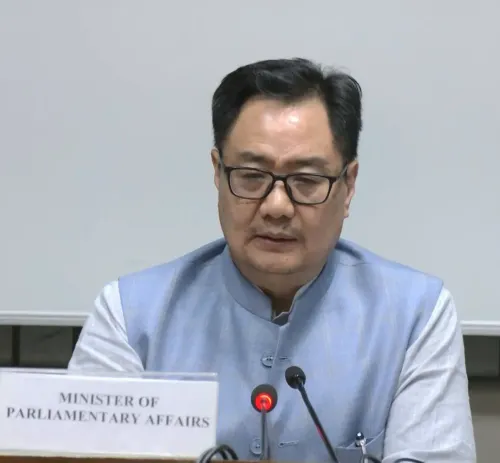
Union Parliamentary Affairs Minister Kiren Rijiju accused 'anti-India gangs' of using the Constitution and the tricolour as cover while targeting Indian democracy, praising the country's youth for seeing through what he called anarchist messaging.
Key Takeaways
Union Parliamentary Affairs Minister Kiren Rijiju posted on October 20, 2026 praising Indian youth for not being 'misled by anarchists.' He accused unnamed 'anti-India gangs' of invoking democracy, the Constitution, and the national flag while working against all three.
The framing echoes BJP messaging used during the CAA protests of 2019–2020 , casting organised dissent as anti-constitutional.
No specific group, event, or individual was named in the post.
The post has a dual effect: delegitimising dissent and positioning BJP's base — especially youth — as defenders of genuine constitutional values.
Parliamentary sessions and responses from youth organisations and opposition parties are the next likely flashpoints.
Union Parliamentary Affairs Minister Kiren Rijiju drew a sharp line on Tuesday, October 20, 2026, between India's youth and what he called 'anarchists' and 'anti-India gangs' — groups he accused of weaponising the symbols of democracy against the very democracy they claim to defend.
The charge: Constitution as camouflage
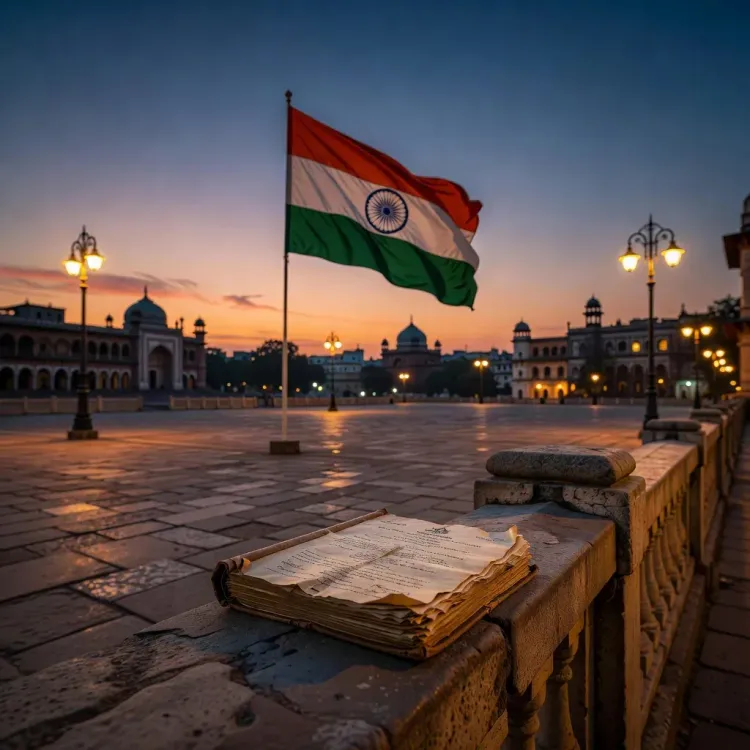
Rijiju's post laid out a three-part accusation with striking symmetry. 'They will display Constitution book but they're anti-Indian Constitution. They'll hold Indian flags but their real target is India,' he wrote. Each image — the book, the flag, the language of democracy — reframed not as sincere belief but as tactical cover. The argument is a familiar one in Indian political discourse: that the loudest invocations of constitutional values can, in some hands, mask fundamentally corrosive aims.
At the centre of his post, though, is an affirmation rather than just an attack. Rijiju opened with pride in Indian youth, positioning them as a bulwark — clear-eyed enough to see through what he characterises as manufactured outrage.
A recurring playbook in BJP political messaging
The framing is not new for senior BJP leaders. During the Citizenship Amendment Act (CAA) protests of 2019–2020, a similar rhetorical structure emerged from the ruling party: protesters carrying the Constitution being cast as adversaries of it; demonstrations raising the tricolour described as threats to national unity. Rijiju's post continues that lineage — the vocabulary of 'anarchists,' the distinction between performative patriotism and authentic loyalty, the appeal to youth as the ultimate arbiters.
What makes such statements politically potent is their dual function: they delegitimise organised dissent while simultaneously building an identity of resistance for the party's own base. The youth, here, are not passive — they are the heroes of the narrative.
Opposition and campus politics in the crosshairs
Rijiju did not name a specific group, event, or protest — the accusation is broad-spectrum. That breadth is itself a message: this is a standing condition, not a one-off incident. Youth organisations, opposition parties, and campus activist groups are the likely implied audiences, and any of them could claim — or reject — the label 'anti-India gang' depending on their own political positioning.
Parliamentary sessions remain a live arena where such charges and counter-charges get formalised. Opposition benches have previously raised privilege motions and constitutional questions when ministers use language that critics argue criminalises legitimate protest.
The real contest, Rijiju's post suggests, is not over policy details — it is over who gets to claim the Constitution, the flag, and the idea of India itself. That is a fight Indian politics has never really paused.
Point of View
The BJP simultaneously defends its own governance record and pre-empts criticism as inherently suspect. The youth framing is strategically significant: positioning young Indians as instinctively resistant to 'anarchists' shores up a demographic the party has heavily courted. Expect opposition groups to push back by demanding specifics — unnamed enemies, in Indian political tradition, tend to expand to fill any space left undefined.
NationPress
20 Oct 2026
Frequently Asked Questions
What did Kiren Rijiju say about Indian youth?
Rijiju said he is proud of Indian youth for not being misled by anarchists, positioning them as capable of seeing through what he called the deceptive use of national symbols by anti-India groups.
Who are the 'anti-India gangs' Rijiju referred to?
Rijiju did not name any specific group, organisation, or individual. The term was used broadly to describe entities he accused of invoking democracy, the Constitution, and the Indian flag while, in his view, working against all three.
Has the BJP used this kind of rhetoric before?
Yes. Senior BJP leaders used similar framing during the Citizenship Amendment Act protests of 2019–2020, accusing some protesters of misusing constitutional symbolism to pursue what the party described as anti-national goals.
What is Kiren Rijiju's role in the government?
Kiren Rijiju is the Union Minister of Parliamentary Affairs and Minister of Minority Affairs. He is a senior BJP leader from Arunachal Pradesh.
Could opposition parties respond to Rijiju's statement in Parliament?
It is possible. Opposition benches have previously raised privilege motions and constitutional objections when ministers use language critics argue conflates legitimate protest with anti-national activity.