Union Minister Rijiju lists Ambedkar Panchteerth, NCBC steps
Synopsis
Union Parliamentary Affairs Minister Kiren Rijiju, on the eve of Constitution Day, listed the Dr. Ambedkar International Centre, digital preservation of Baba Saheb's work, a strengthened SC-ST atrocities law, constitutional status for the NCBC and five Panchteerth sites as the Modi government's concrete commitment to Ambedkar's legacy.
Key Takeaways
On 25 November 2026 , Union Parliamentary Affairs Minister Kiren Rijiju listed Ambedkar-linked steps ahead of Constitution Day.
Ambedkar International Centre , digital preservation of Baba Saheb's legacy, a stronger SC-ST atrocities law and constitutional status for the NCBC.
The Centre in New Delhi was set up to promote research and preservation of Ambedkar's writings and philosophy; the post does not date its inauguration.
The 102nd Constitutional Amendment Act, 2018 gave the National Commission for Backward Classes constitutional status.
The SC/ST (Prevention of Atrocities) Act was strengthened by amendments in 2015 and 2018 .
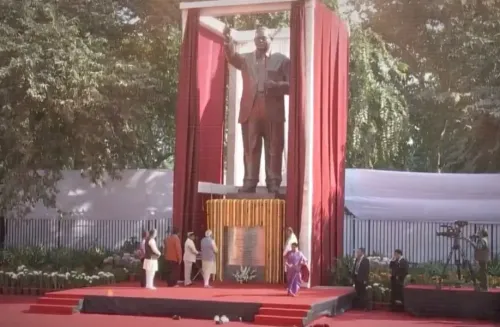
Five sites linked to Ambedkar's life at Mhow , London , Nagpur , Delhi and Mumbai were developed as Panchteerth after a 2016 announcement.
On the eve of Constitution Day, Union Parliamentary Affairs Minister Kiren Rijiju put Baba Saheb's legacy at the centre of the government's social-justice claim. In a post on X on 25 November 2026, he listed the inauguration of the Dr. Ambedkar International Centre, digital preservation of Ambedkar's writings, a stronger atrocities law, and constitutional rank for the backward classes panel as the Modi government's concrete steps.
Writing in Hindi under the hashtag #SamvidhanGauravDiwas, Rijiju said the inauguration of the Dr. Ambedkar International Centre, digital conservation of Baba Saheb's legacy, strengthening of the SC-ST Prevention of Atrocities Act, and constitutional status for the National Commission for Backward Classes 'are the Modi government's concrete steps.' He added that, with a commitment to protecting Baba Saheb's ideas and heritage, the government had developed five historical sites linked to Ambedkar's life as Panchteerth.
Five Ambedkar life-sites recast as Panchteerth
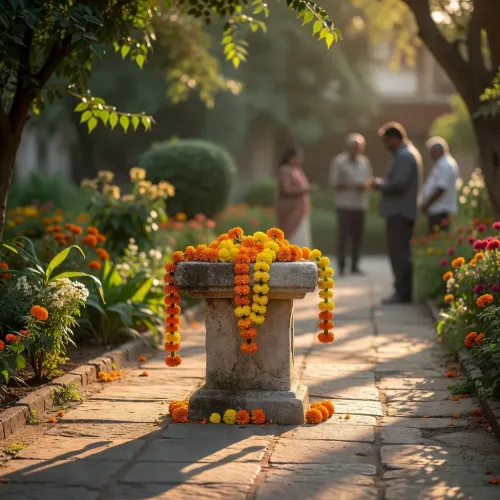
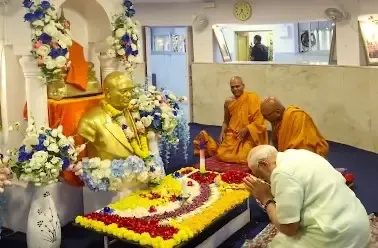
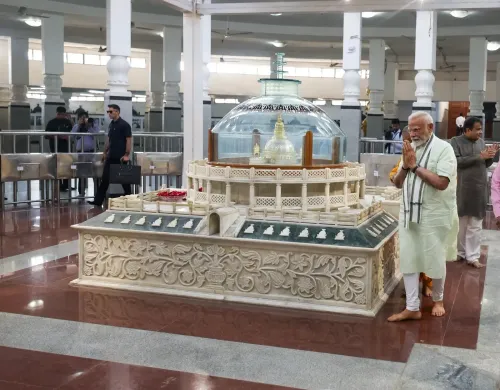
The Panchteerth project, announced by the Centre in 2016, treats five places tied to Dr. B.R. Ambedkar's life as national memorials: his birthplace at Mhow in Madhya Pradesh; his years of study in London; Deekshabhoomi in Nagpur, where he embraced Buddhism; the Delhi house associated with his last days; and Chaityabhoomi in Mumbai. Rijiju's post presents that circuit as proof of a living commitment to Ambedkar's thought, not only a commemorative plaque.
Ambedkar, chief architect of the Constitution and a leading advocate for Dalit rights and social equality, is the symbolic core of Constitution Day observances on 26 November. Samvidhan Gaurav Diwas is when Parliament and the political class return to that text, and to the person who wrote it.
NCBC's 2018 constitutional rank and a tougher atrocities law
The 102nd Constitutional Amendment Act, 2018 lifted the National Commission for Backward Classes from a statutory body to a constitutional one, giving it a firmer mandate to protect socially and educationally backward classes. The same year, Parliament passed the SC/ST (Prevention of Atrocities) Amendment Act, 2018, which expanded protections and procedural safeguards for victims after earlier changes in 2015.
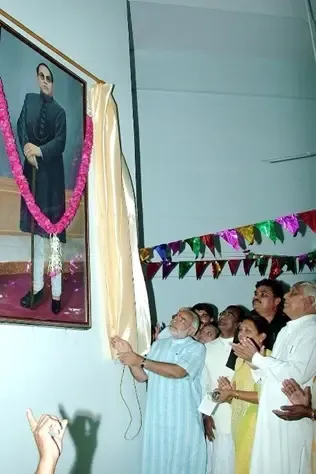
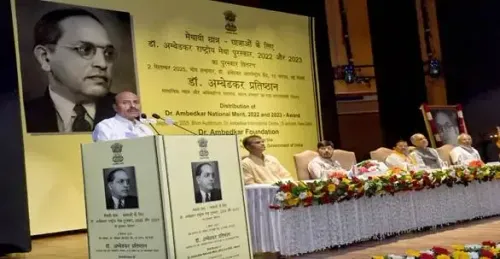
Rijiju, who also holds the Minority Affairs portfolio and is a senior BJP leader from Arunachal Pradesh, bundled those legal upgrades with the International Centre and a digital archive of Ambedkar's work. The Centre in New Delhi was set up to promote research and preservation of Ambedkar's writings and philosophy. The minister cited its inauguration; the post does not specify a date.
Samvidhan Gaurav Diwas as the political frame
Successive central governments have used legal upgrades and memorials to signal commitment to Scheduled Castes, Scheduled Tribes and Other Backward Classes while keeping Ambedkar at the heart of the constitutional story. The present administration has paired institutional upgrades, legislative amendments and physical memorials, often around Constitution Day.
What lands next is the winter session calendar: parliamentary proceedings around 26 November, and whether further social-justice legislation or Ambedkar-related memorials surface in that window. Rijiju's list is a campaign of memory as much as a policy ledger: five teerths, two statutes, one centre, timed for the day India marks the Constitution itself.
On Samvidhan Gaurav Diwas, the argument Rijiju is making is simple: the man who drafted the book of rights is now being archived, mapped and legislated in stone.
Point of View
Especially as Constitution Day became a high-visibility political ritual. Rijiju's post stitches a 2016 memorial project, 2018 legal upgrades and an international centre into a single delivery narrative. The timing on 25 November is the eve of the day Parliament celebrates the document Ambedkar chaired into being. The winter session will show whether this commemorative frame yields fresh social-justice legislation or stays in the register of memory and monuments.
NationPress
25 Nov 2026
Frequently Asked Questions
What did Kiren Rijiju say on Samvidhan Gaurav Diwas?
Union Parliamentary Affairs Minister Kiren Rijiju said the Modi government had taken concrete steps to preserve Dr. B.R. Ambedkar's legacy. He listed the Dr. Ambedkar International Centre, digital conservation of Baba Saheb's work, a stronger SC-ST atrocities law, constitutional status for the NCBC, and five Panchteerth sites.
What is Samvidhan Gaurav Diwas?
Samvidhan Gaurav Diwas is Constitution Day, observed on 26 November to mark the adoption of the Indian Constitution. Political leaders use the occasion to highlight Ambedkar's role as chief architect of the Constitution and related social-justice measures.
What are the five Panchteerth sites linked to Ambedkar?
Panchteerth refers to five sites tied to Dr. B.R. Ambedkar's life that the Centre announced in 2016 as national memorials. They are Mhow in Madhya Pradesh, London, Deekshabhoomi in Nagpur, the Delhi house associated with his last days, and Chaityabhoomi in Mumbai.
When did the National Commission for Backward Classes get constitutional status?
The NCBC received constitutional status through the 102nd Constitutional Amendment Act, 2018. The change elevated it from a statutory body and strengthened its mandate for socially and educationally backward classes.
What is the Dr Ambedkar International Centre?
The Dr. Ambedkar International Centre in New Delhi is an institution set up to promote research and preservation of Ambedkar's writings and philosophy. Kiren Rijiju cited its inauguration as one of the government's steps; the post does not give an inauguration date.