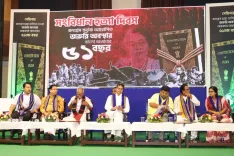
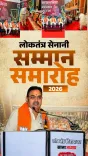
Rijiju marks Samvidhan Hatya Diwas, recalls 1975 Emergency pain
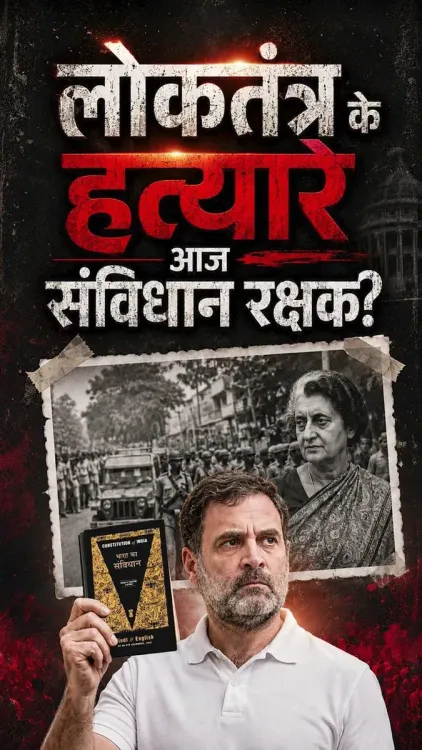
Synopsis
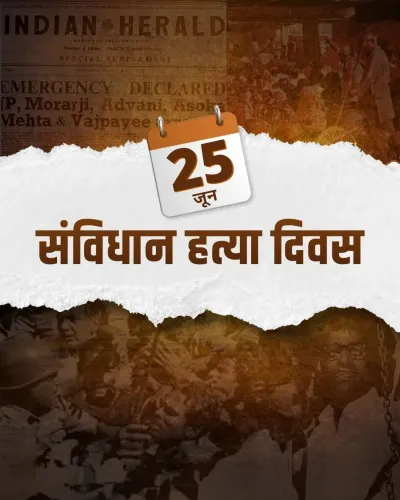
On the 51st anniversary of the 1975 National Emergency, Union Minister Kiren Rijiju invoked Samvidhan Hatya Diwas, warning that the consequences of suppressing democratic voices are felt across generations. His post underscores the BJP's sustained political and institutional focus on the Emergency as a constitutional watershed.
Key Takeaways
Kiren Rijiju , Union Parliamentary Affairs and Minority Affairs Minister, marked Samvidhan Hatya Diwas on 25 June 2026 .
He warned that the 'pain and repression' of the 1975 Emergency era continue to resonate across generations.
The National Emergency was declared on 25 June 1975 under Article 352 by the Congress government and lasted 21 months until March 1977 .
The BJP has annually marked 25 June as Samvidhan Hatya Diwas to highlight what it calls a constitutional assault by the Congress.
Rijiju's post included 2 videos , amplifying the commemorative message on social media.
Analysts expect renewed calls for a permanent memorial or institutional recognition of Emergency-era victims as the observance grows in scale.
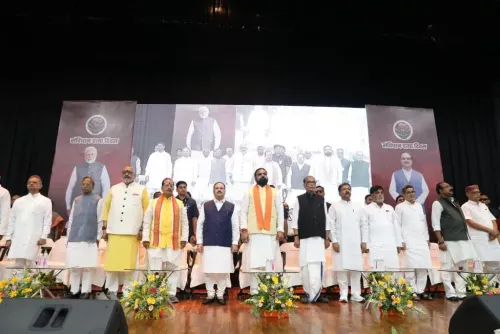
Union Parliamentary Affairs Minister Kiren Rijiju on Thursday, 25 June 2026 marked Samvidhan Hatya Diwas with a sombre post on X, warning that the suffering and suppression of that era continue to remind Indians of the generational cost of silencing democratic voices.
Posting in Hindi, Rijiju wrote: 'पाँच दशक बाद भी उस दौर की पीड़ा और दमन की स्मृतियाँ हमें याद दिलाती हैं कि लोकतंत्र की आवाज़ को दबाने के दुष्परिणाम पीढ़ियों तक महसूस किए जाते हैं' — 'Even five decades later, the memories of the pain and repression of that era remind us that the consequences of suppressing the voice of democracy are felt for generations.'
Context
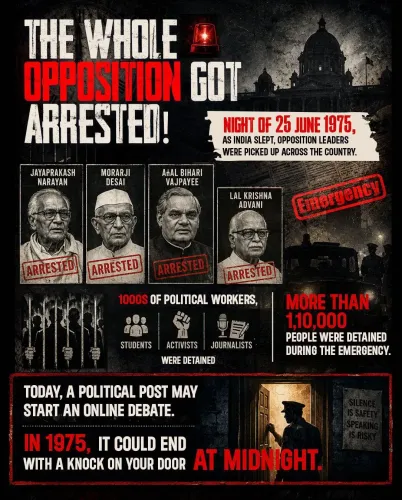
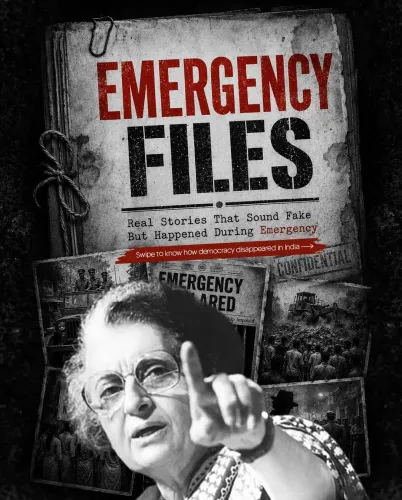
The post was made on the 51st anniversary of the proclamation of the National Emergency of 1975, a 21-month period that began on 25 June 1975 when the then Congress government under Prime Minister Indira Gandhi suspended civil liberties and detained opposition leaders across the country. The Emergency was formally revoked in March 1977 after the government lost the general election that followed.
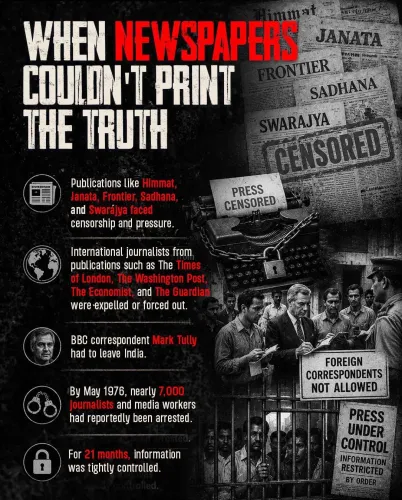
The National Emergency was declared under Article 352 of the Constitution on grounds of 'internal disturbance.' Press censorship was imposed, fundamental rights were curtailed, and thousands of political workers were imprisoned without trial — a chapter that constitutional scholars and civil liberties advocates have long described as the darkest period of independent India's democratic history.
Policy Backdrop
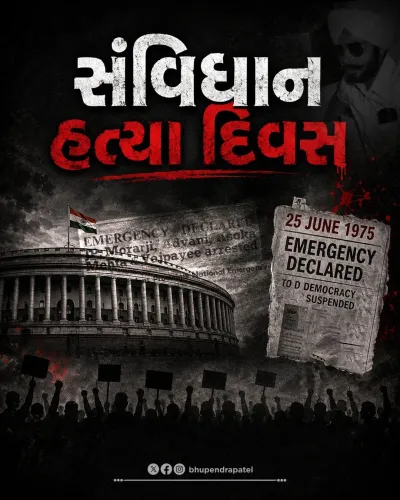
The BJP-led government has consistently marked 25 June each year as an occasion to highlight what it describes as a constitutional assault by the Congress. The observance under the banner of Samvidhan Hatya Diwas — roughly translated as 'Constitution Murder Day' — frames the Emergency as the single gravest threat to democratic institutions since Independence.
The commemoration has been woven into parliamentary speeches, official events, and social media campaigns, forming part of a broader political narrative that contrasts Congress-era executive overreach with the ruling dispensation's stated commitment to constitutional propriety. As a senior minister holding the Parliamentary Affairs portfolio, Rijiju's voice on this occasion carries institutional weight beyond a routine party statement.
Stakeholders and Impact
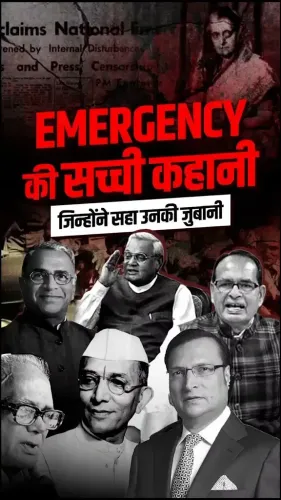
The Emergency's legacy remains a live political fault line in India. Opposition leaders who were imprisoned during that period — and their families — have long sought formal national recognition of their ordeal. Civil liberties advocates continue to invoke the Emergency as a cautionary precedent whenever executive power is perceived to encroach on fundamental rights.
For the ruling BJP, annual commemorations serve a dual purpose: honouring those who resisted the Emergency and reinforcing a political contrast with the Indian National Congress. The post's two accompanying videos, shared with the message, are expected to amplify the reach of the commemoration across digital platforms.
What's Next
Observers will watch for parliamentary references or proposed resolutions around 25 June in the coming sessions, as well as any announcements regarding commemorative projects — such as a museum or memorial — dedicated to Emergency-era victims. The annual intensity of the observance has grown each year, and 2026, marking the 51st year since the proclamation, is likely to see renewed calls for a more permanent institutional acknowledgement of that period's constitutional lessons.
Point of View
Moving it from party rhetoric into ministerial communication. By framing the 51st anniversary in terms of 'generational consequences,' the message seeks to keep the Emergency relevant to younger voters who have no living memory of it. The choice of Samvidhan Hatya Diwas — a name that directly implicates the Constitution's violation — signals that the ruling party intends to deepen, not merely repeat, this annual narrative. The broader arc points toward possible legislative or commemorative action that could formally embed the Emergency's lessons in India's institutional memory.
NationPress
25 Jun 2026
Frequently Asked Questions
What is Samvidhan Hatya Diwas?
Samvidhan Hatya Diwas, observed on 25 June, marks the anniversary of the 1975 National Emergency declared by the Congress government, which the BJP describes as an assault on India's Constitution and democratic institutions.
What was the 1975 Emergency in India?
The National Emergency was declared on 25 June 1975 under Article 352 of the Constitution by Prime Minister Indira Gandhi's government. Civil liberties were suspended, opposition leaders were detained, and press censorship was imposed for 21 months until March 1977.
Why did Kiren Rijiju post about the 1975 Emergency?
As Union Parliamentary Affairs Minister and a senior BJP leader, Rijiju marked Samvidhan Hatya Diwas on its 51st anniversary to recall the suffering of that era and highlight what the BJP frames as the long-term democratic cost of the Emergency.
How long did the 1975 Emergency last?
The National Emergency lasted 21 months, from 25 June 1975 to March 1977, when it was revoked after the Congress government lost the general election that followed.
What does the BJP do to mark the 1975 Emergency anniversary?
The BJP-led government has annually marked 25 June through speeches, social media campaigns, and official events under the Samvidhan Hatya Diwas banner, framing the Emergency as the gravest threat to Indian democracy since Independence.