Rijiju meets Roshibina Devi, India's first 3-time Asian Games Wushu medallist
Synopsis
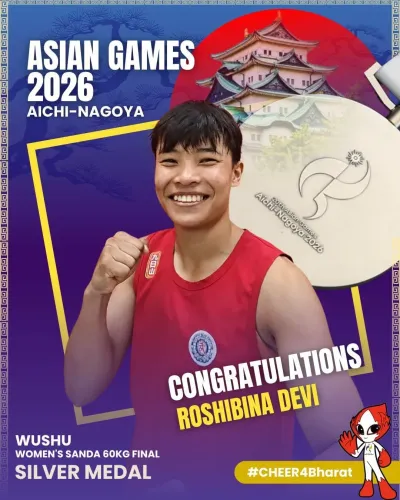
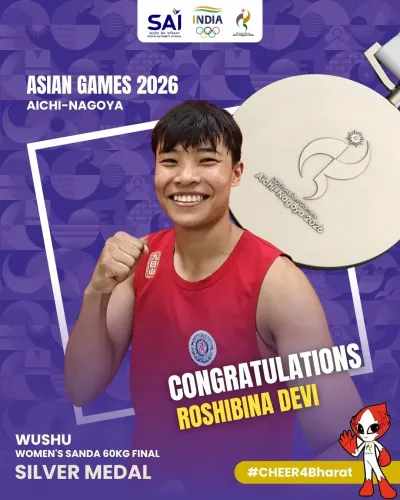
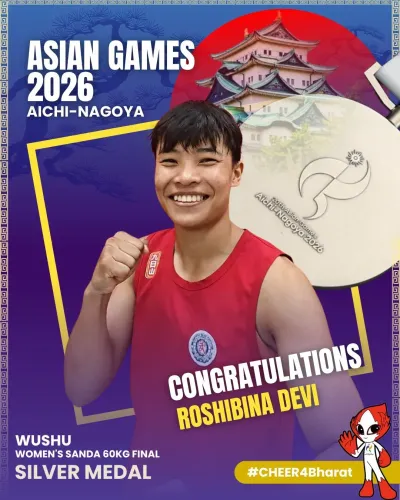
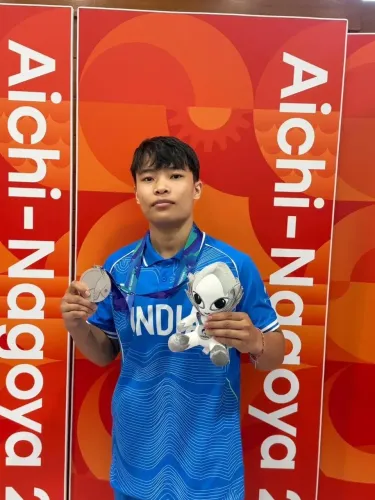
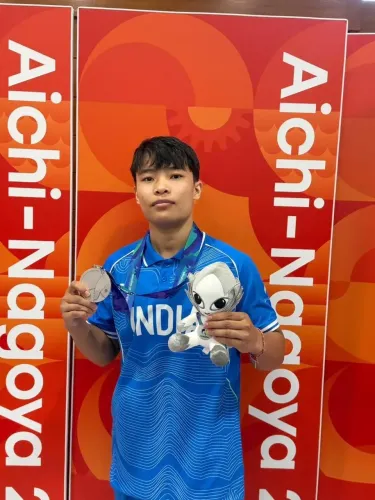
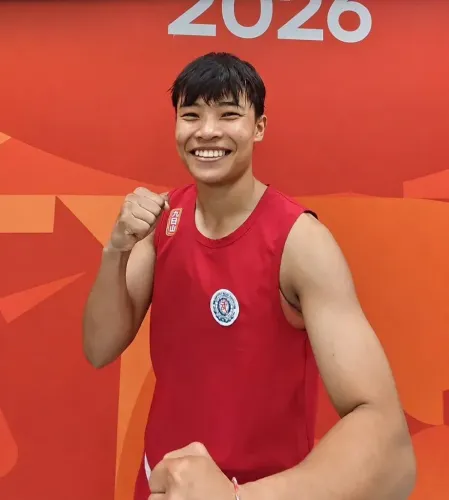
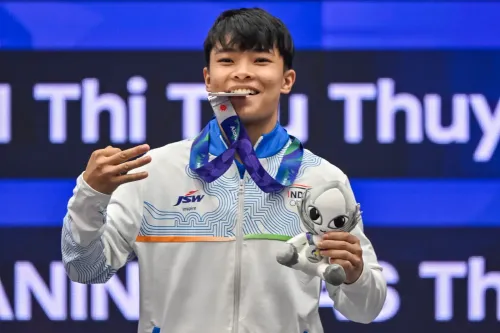
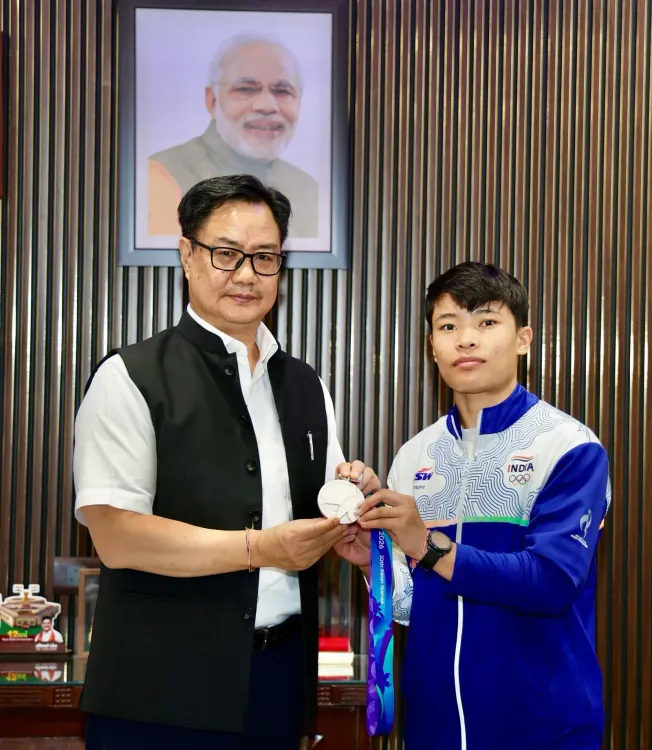
Union Minister Kiren Rijiju met Wushu athlete Naorem Roshibina Devi on 26 September 2026 after she claimed Silver in Women's Sanda 60kg at the Asian Games, completing a Bronze-Silver-Silver run across 2018, 2022, and 2026 — a first for any Indian Wushu competitor.
Key Takeaways
Naorem Roshibina Devi won Silver in Wushu Women's Sanda 60kg at the 2026 Asian Games .
She previously won Bronze in 2018 and Silver in 2022 , making her the first Indian Wushu athlete to medal at three consecutive Asian Games.
Union Minister Kiren Rijiju met her personally on 26 September 2026 to congratulate her on her return.
Roshibina competes in the full-contact Sanda discipline and hails from Manipur , a state with a strong combat-sports tradition.
India's Target Olympic Podium Scheme (TOPS) , launched in 2014 , provides targeted support to elite athletes in niche disciplines including Wushu.
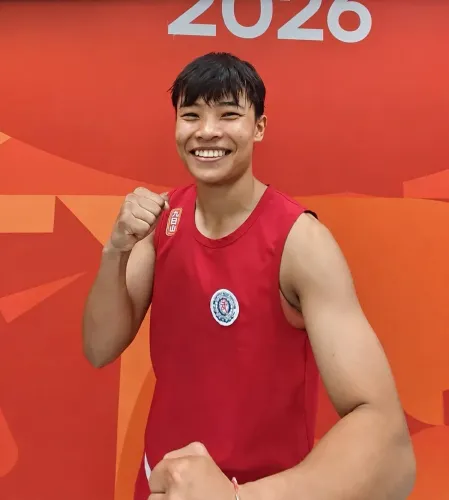
A fighter who has now stood on the Asian Games podium in three straight editions — 2018, 2022, and 2026 — walked into a meeting with a Union Minister on Saturday, 26 September 2026, and made history look almost routine. Union Parliamentary Affairs Minister Kiren Rijiju met Naorem Roshibina Devi following her return from the 2026 Asian Games, congratulating her on winning the Silver Medal in Wushu Women's Sanda 60kg — a feat that makes her the first Indian Wushu athlete to medal at three consecutive Asian Games.
Three Games, three medals — and a record that stands alone
The arithmetic of Roshibina's career is staggering in its consistency. A Bronze in 2018 at the Jakarta-Palembang Games, a Silver in 2022, and now a Silver again in 2026 — each medal earned in the same brutal discipline: Women's Sanda 60kg, the full-contact combat format of Wushu where bouts are decided by strikes, throws, and sheer nerve. No other Indian Wushu competitor has climbed the podium across three Asian Games cycles. She now owns that record outright.
Rijiju, posting under #Cheer4Bharat, described the meeting warmly and highlighted the triple-medal arc, underscoring that this achievement places Roshibina Devi in a class of her own within Indian combat sports.
Manipur's combat-sports pipeline and India's push for niche medals
Naorem Roshibina Devi hails from Manipur, a state that has long punched above its weight in combat and contact disciplines — from boxing to Wushu. India's broader push to diversify its Asian Games medal haul beyond traditional strongholds has run through dedicated training support for athletes in disciplines like Wushu, with the Target Olympic Podium Scheme (TOPS), launched in 2014, providing targeted backing to elite competitors in priority sports.
Her consistency across three four-year cycles — surviving the physical toll of a contact sport, the competitive evolution of rivals across Asia, and the administrative gaps that often afflict niche-sport athletes in India — speaks to a rare combination of resilience and institutional support.
What a minister's meeting signals for combat-sport recognition
A personal meeting with a senior Union Cabinet Minister is more than ceremony. It signals that athletes in disciplines outside cricket and Olympic track-and-field are gaining visibility at the highest levels of India's sporting establishment. For Wushu — still awaiting Olympic inclusion — that visibility matters. Recognition from figures like Rijiju, who has historically championed athletes from India's Northeast, can translate into advocacy for better funding, international exposure, and athlete welfare provisions.
For Roshibina, the podium in 2026 is not just a personal milestone. It is a data point in India's slow, deliberate effort to build medalists who return — not athletes who peak once and disappear.
Three Games, three medals. The record is set. The question now is whether the institutions around her can help the next Roshibina not have to wait a decade to be noticed.
Point of View
Where institutional continuity has historically been unreliable. Rijiju's personal meeting — rather than a routine social-media congratulation — reflects a deliberate Northeast-sports diplomacy that the minister has cultivated across his tenure, and signals that Wushu athletes are gaining political capital they have rarely held. The broader pattern matters: as India pushes to diversify its Asian Games medal tally, consistent podium performers in niche events are becoming useful narratives for sporting bureaucracies to showcase returns on investment in schemes like TOPS. Whether that visibility converts into sustained structural support, rather than a one-time photo opportunity, will be the real test.
NationPress
26 Sept 2026
Frequently Asked Questions
Who is Naorem Roshibina Devi?
Naorem Roshibina Devi is an Indian Wushu athlete from Manipur who competes in the Women's Sanda 60kg discipline. She has won medals at three consecutive Asian Games — Bronze in 2018, Silver in 2022, and Silver in 2026 — becoming the first Indian Wushu competitor to achieve this feat.
What medal did Roshibina Devi win at the 2026 Asian Games?
She won a Silver Medal in Wushu Women's Sanda 60kg at the 2026 Asian Games.
Why is Roshibina Devi's 2026 Asian Games medal historic?
It makes her the first Indian Wushu athlete to win medals at three consecutive Asian Games, having previously won Bronze in 2018 and Silver in 2022.
Why did Kiren Rijiju meet Roshibina Devi?
Union Minister Kiren Rijiju met Roshibina Devi on 26 September 2026 to personally congratulate her on winning the Silver Medal at the 2026 Asian Games and to recognise her historic three-Games medal run.
What is India's support system for Wushu athletes?
India's Target Olympic Podium Scheme (TOPS), launched in 2014, provides targeted financial and logistical support to elite athletes in priority sports, including Wushu. Dedicated training centres and international exposure programmes have also been part of India's push to develop niche-sport competitors.