Rijiju: PM Modi assures NDA MPs on students, farmer FTA safeguards
Synopsis
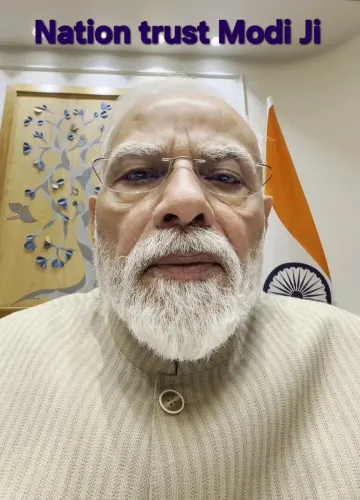
Prime Minister Narendra Modi assured NDA Parliamentary Party members on 21 July 2026 that the government is taking the strongest possible steps to protect student interests and that farmer interests are fully safeguarded in all of India's Free Trade Agreements, as relayed publicly by Parliamentary Affairs Minister Kiren Rijiju.
Key Takeaways
PM Modi addressed the NDA Parliamentary Party meeting on 21 July 2026 , personally assuring coalition MPs on two key issues.
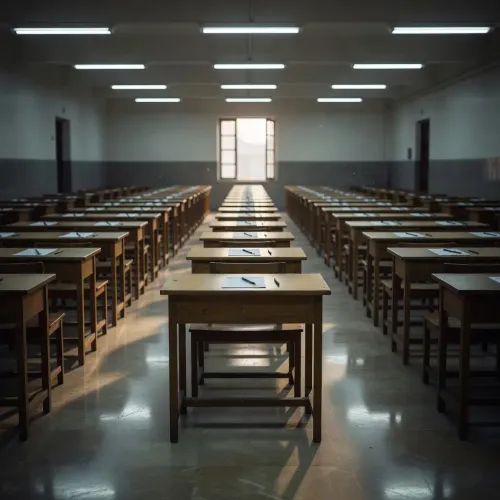
The Prime Minister stated that 'strongest possible steps' are being taken to protect student interests .
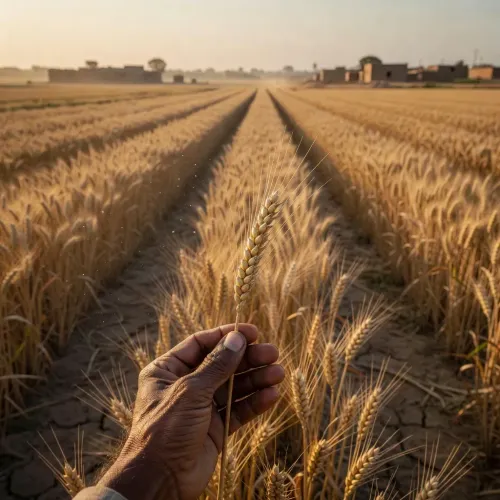
Farmer interests are described as protected across all of India's Free Trade Agreements with various countries.
India's recent FTAs — including the India-UAE CEPA and India-Australia ECTA (both 2022) — included agricultural carve-outs to address farmer concerns.
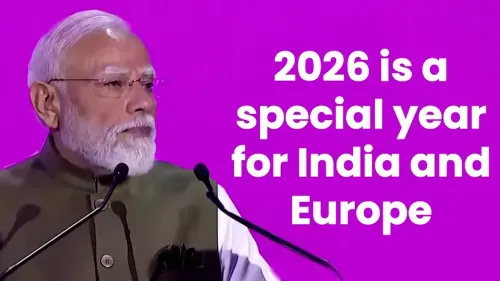
Ongoing India-EU and India-UK FTA negotiations will be a key test of these assurances going forward.
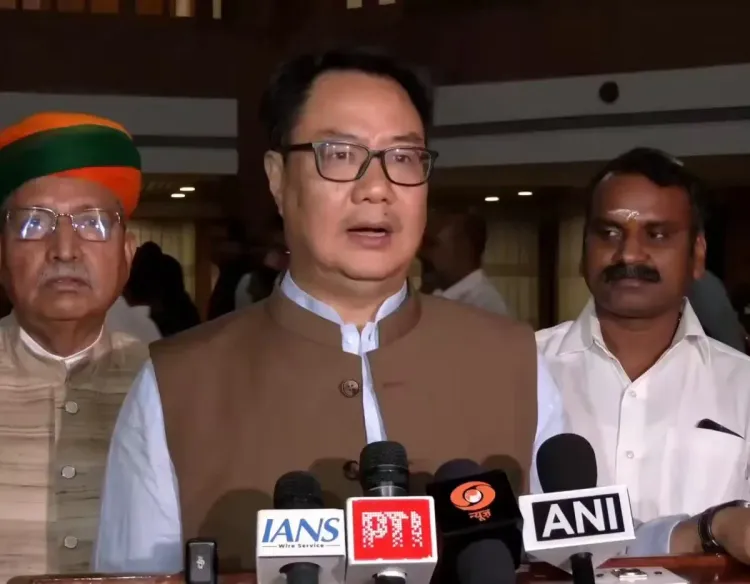
Parliamentary Affairs Minister Kiren Rijiju made the briefing public via a post on X, placing the commitments on record.
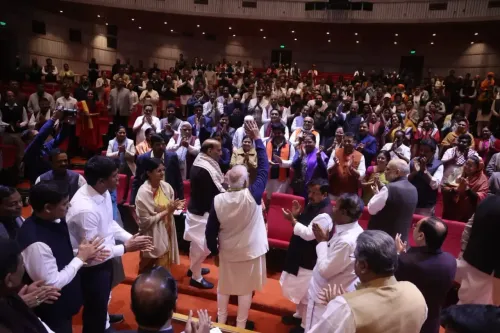
Union Parliamentary Affairs Minister Kiren Rijiju on Tuesday, 21 July 2026 disclosed that Prime Minister Narendra Modi personally addressed the NDA Parliamentary Party meeting, assuring coalition MPs that the strongest possible steps are being taken to protect student interests and that farmer interests are fully safeguarded across all of India's Free Trade Agreements.
Context
Posting on X, Rijiju relayed the Prime Minister's assurances directly from the NDA Parliamentary Party meeting, writing that PM Modi had informed members that 'strongest possible steps are being taken to protect the interest of the students' and that 'farmer's interests are protected in all the Free Trade Agreements with various countries.' Such internal party briefings are a standard mechanism through which the ruling coalition aligns its MPs on sensitive policy matters ahead of or during parliamentary sessions.
The dual mention of students and farmers signals that both constituencies are live political concerns at this moment. While the precise student-related issue referenced in the meeting has not been separately detailed, the Prime Minister's direct intervention at the parliamentary party level underscores the political weight attached to it.
Policy Backdrop
India's FTA agenda has expanded considerably since 2022, with landmark agreements including the India-UAE Comprehensive Economic Partnership Agreement (CEPA) and the India-Australia Economic Cooperation and Trade Agreement (ECTA). Both pacts were negotiated with deliberate carve-outs or extended phase-outs for sensitive agricultural tariff lines — covering dairy, poultry, and certain grain categories — in direct response to domestic farmer concerns.
The political context for these assurances runs deep. Following the 2020-21 nationwide farmer protests against three central farm laws — which were eventually repealed — successive NDA governments have made a point of publicly ring-fencing agricultural interests whenever trade liberalisation is on the agenda. Ongoing negotiations with the European Union and the United Kingdom are expected to test these commitments further, given the scale and ambition of those potential agreements.
Stakeholders and Impact
Farmers, who represent one of India's largest and most politically organised constituencies, stand to be directly affected by the terms of any FTA that touches agricultural tariff lines. The government's repeated public assurances — now relayed at the highest level of the ruling coalition — are intended to pre-empt anxiety among farming communities and their parliamentary representatives from coalition parties.
Students form the second major constituency flagged in the briefing. While the specific concern driving the Prime Minister's assurance was not elaborated upon in Rijiju's post, student issues — ranging from examination integrity and competitive recruitment to higher education regulation — have periodically generated political pressure on the government. The Prime Minister's direct engagement at the NDA Parliamentary Party level suggests the matter is being treated with urgency.
What's Next
Attention will now turn to the specific legislative or executive steps the government tables in the current parliamentary session to address student-related concerns. On the trade front, the progress of India-EU and India-UK FTA negotiations will be closely watched by farmer organisations and opposition parties alike to assess whether the assurances given inside the NDA Parliamentary Party meeting translate into binding treaty protections. Rijiju's public disclosure of the Prime Minister's remarks effectively places these commitments on record, raising the stakes for follow-through.
Point of View
The government creates accountability markers it must then meet through concrete action in Parliament or through executive orders. The dual focus on students and farmers reflects the NDA's enduring need to manage two of its most electorally critical constituencies simultaneously, particularly as FTA negotiations with major economies like the EU and UK enter sensitive phases. How quickly specific measures materialise will determine whether the assurances hold political credibility beyond the party meeting room.
NationPress
20 Oct 2026
Frequently Asked Questions
What did PM Modi say at the NDA Parliamentary Party meeting on 21 July 2026?
PM Modi informed NDA Parliamentary Party members that the strongest possible steps are being taken to protect student interests, and that farmer interests are protected in all of India's Free Trade Agreements with various countries.
How are farmer interests protected in India's Free Trade Agreements?
India has negotiated carve-outs or extended phase-out periods for sensitive agricultural tariff lines — such as dairy, poultry, and certain grains — in FTAs like the India-UAE CEPA and India-Australia ECTA signed in 2022, shielding domestic farmers from sudden import competition.
What student issues was PM Modi referring to at the NDA meeting?
The specific student concern was not elaborated upon in Minister Rijiju's public post. The Prime Minister's direct engagement at the parliamentary party level indicates it is being treated as a politically significant matter, but further details are yet to be officially disclosed.
Who is Kiren Rijiju and what is his role?
Kiren Rijiju is the Union Minister of Parliamentary Affairs and Minority Affairs, a senior BJP leader from Arunachal Pradesh. As Parliamentary Affairs Minister, he coordinates legislative business and serves as a key link between the government and its coalition partners in Parliament.
Which FTA negotiations is India currently pursuing that could affect farmers?
India is engaged in ongoing Free Trade Agreement negotiations with the European Union and the United Kingdom, both of which are expected to include discussions on agricultural market access — making the government's farmer-protection assurances particularly relevant to their outcome.