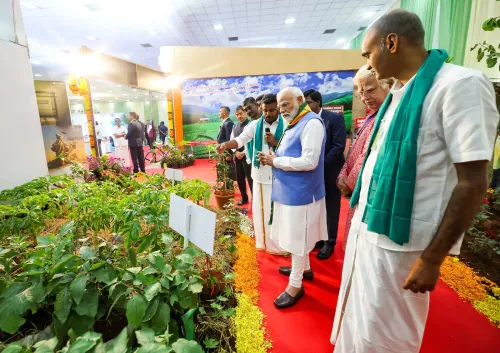
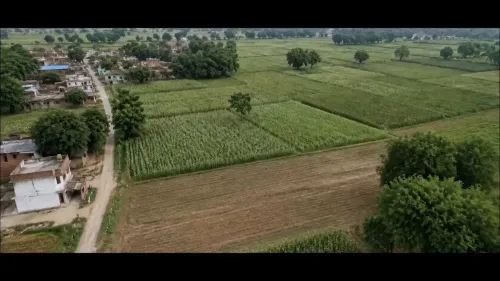
PM Modi Reaffirms Govt Commitment to Farmer Welfare Schemes
Synopsis
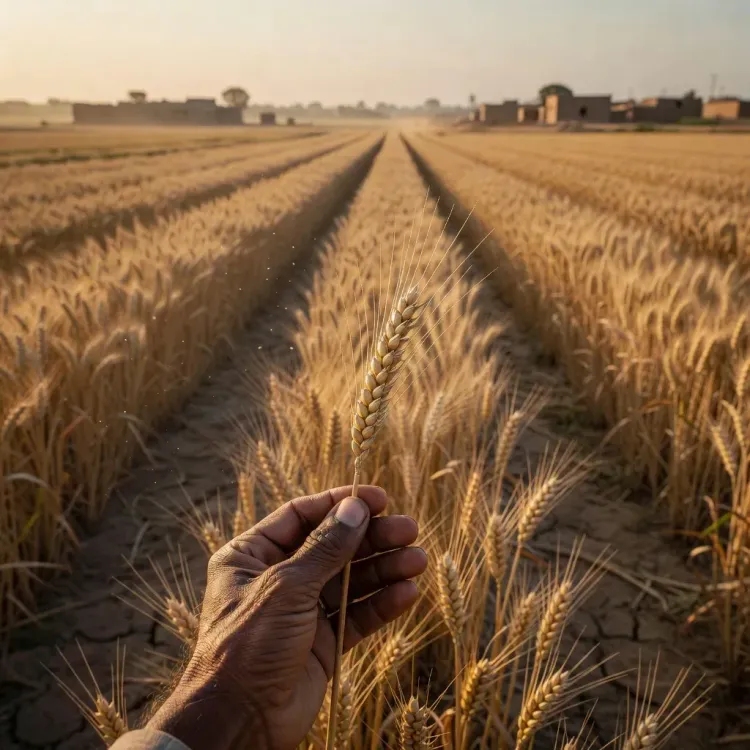
Prime Minister Narendra Modi on 11 June 2026 highlighted the government's farmer welfare agenda on X, pointing to PM-KISAN's direct income transfers and the Pradhan Mantri Fasal Bima Yojana as key instruments securing agricultural livelihoods and strengthening food security across India.
Key Takeaways
Prime Minister Narendra Modi posted on 11 June 2026 reaffirming the government's commitment to farmer welfare.
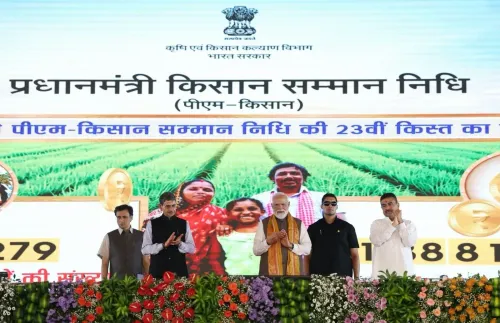
The PM-KISAN Samman Nidhi , launched in 2019 , provides ₹6,000 annually in three instalments to landholding farmer families via direct benefit transfer.
The Pradhan Mantri Fasal Bima Yojana , introduced in Kharif 2016 , offers subsidised crop insurance against natural calamities with faster claim settlement.
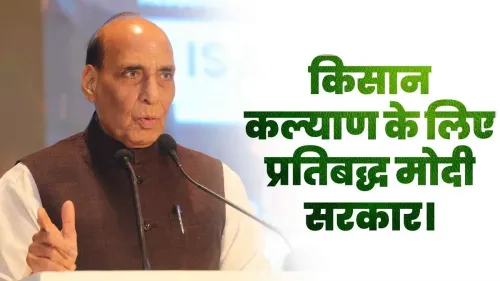
Modi described farmers as the foundation of India's 'food security, nutrition, and prosperity' in his Hindi-language post.
Both schemes are part of a broader policy shift toward direct income support and risk mitigation over traditional price-support procurement.
Kharif 2026 enrolment figures and any new PM-KISAN instalment announcements will be key indicators to watch in the coming weeks.
Prime Minister Narendra Modi on Thursday, 11 June 2026, reaffirmed the government's commitment to improving the lives of India's farming community, citing flagship programmes including the PM-KISAN Samman Nidhi and the Pradhan Mantri Fasal Bima Yojana as pillars of agricultural welfare.
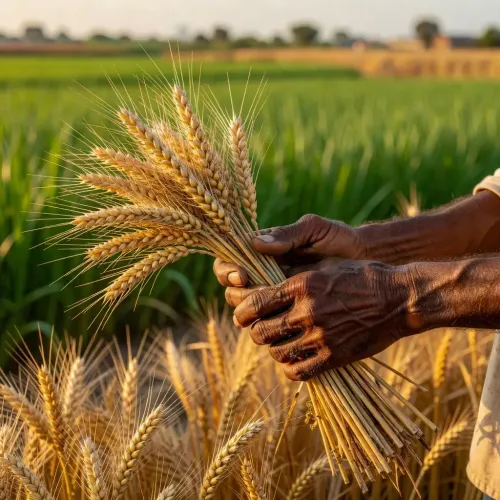
Writing in Hindi on X, Prime Minister Modi described farmers as the 'foundation of the nation's food security, nutrition, and prosperity' — ('देश की अन्न सुरक्षा, पोषण और समृद्धि के आधारस्तंभ'). He added that the government is 'leaving no stone unturned' to make their lives easier, and that schemes such as PM-KISAN and the crop insurance programme are simultaneously securing farmer incomes and strengthening agriculture.
Context
The post comes as India heads into the Kharif 2026 agricultural season, a period when enrolment under crop insurance programmes and the release of income-support instalments draw attention from farm households across the country. Farmer welfare has remained a consistent political and policy priority, with the government regularly communicating scheme benefits directly to the public.
The statement reflects a broader communication strategy of underlining rural welfare credentials ahead of parliamentary sessions and seasonal agricultural cycles.
Policy Backdrop
The PM-KISAN Samman Nidhi, launched on 24 February 2019, provides ₹6,000 per year in three equal instalments directly to landholding farmer families through direct benefit transfer. It was designed to supplement farm incomes and reduce dependence on informal credit ahead of sowing seasons.
The Pradhan Mantri Fasal Bima Yojana (PMFBY), introduced in Kharif 2016, replaced earlier national agricultural insurance frameworks with subsidised premiums and broader coverage against yield losses caused by natural calamities, pests, and weather events. The scheme also aimed at faster claim settlement compared to its predecessors.
Together, these two instruments represent a policy shift toward technology-enabled direct benefit transfers and actuarial crop insurance, complementing other reforms such as soil-health cards and the e-NAM electronic market platform.
Stakeholders and Impact
India's agricultural sector supports hundreds of millions of farming households, making it one of the largest constituencies in the country's democratic landscape. Direct income support through PM-KISAN has reached crores of beneficiaries since its launch, providing a predictable cash buffer during input-purchase periods.
PMFBY targets risk mitigation for farmers exposed to climate-related crop failures, a vulnerability that has historically driven rural indebtedness. Subsidised premiums lower the barrier to enrolment for marginal and small farmers who might otherwise forgo insurance coverage entirely.
What's Next
Attention will now turn to Kharif 2026 enrolment figures under PMFBY and whether any supplementary budget allocations or new instalment releases under PM-KISAN are announced ahead of the next parliamentary session. The Prime Minister's statement is likely to be followed by ground-level outreach by the ruling party in rural constituencies, reinforcing the government's record on agricultural welfare as a campaign-ready narrative.
Point of View
When farmer anxieties about input costs and weather risk are highest. By naming PM-KISAN and PMFBY together, the messaging links income security with risk mitigation — a two-pronged framing that has defined the BJP's rural outreach since 2019. The Hindi-language choice broadens reach to the rural heartland beyond English-speaking audiences. Sustained repetition of this narrative ahead of parliamentary sessions suggests the government views agricultural welfare communication as an electoral asset that requires regular reinforcement.
NationPress
13 Sept 2026
Frequently Asked Questions
What is PM-KISAN Samman Nidhi and how much money do farmers get?
PM-KISAN Samman Nidhi is a central government scheme launched on 24 February 2019 that provides ₹6,000 per year to landholding farmer families, paid in three instalments of ₹2,000 each directly into their bank accounts.
What is Pradhan Mantri Fasal Bima Yojana and who can apply?
Pradhan Mantri Fasal Bima Yojana is a subsidised crop insurance scheme introduced in Kharif 2016 that covers yield losses from natural calamities, pests, and adverse weather. Any farmer growing notified crops in participating states can enrol, including small and marginal farmers who benefit from lower premium rates.
What did PM Modi say about farmers on 11 June 2026?
PM Modi stated that farmers are the foundation of the nation's food security, nutrition, and prosperity, and that the government is leaving no stone unturned to ease their lives, citing PM-KISAN and PMFBY as key initiatives.
How does PM-KISAN help farmers in India?
PM-KISAN provides a predictable cash transfer of ₹6,000 annually, helping farmers cover input costs such as seeds and fertilisers ahead of sowing seasons and reducing their dependence on informal moneylenders.
What is the difference between PM-KISAN and Fasal Bima Yojana?
PM-KISAN offers direct income support through fixed cash transfers regardless of crop outcome, while Pradhan Mantri Fasal Bima Yojana provides insurance compensation specifically when crops fail due to natural calamities or adverse weather, making the two schemes complementary rather than overlapping.