Rijiju Revisits Andaman Island Renamed After Netaji
Synopsis
Union Minister Kiren Rijiju revisited the Andaman island formerly known as Ross Island, renamed Netaji Subhas Chandra Bose Island in 2018, calling the transformation a showcase of India's resurgent spirit after a 12-year gap since his last visit.
Key Takeaways
Kiren Rijiju , Union Minister of Parliamentary Affairs and Minority Affairs, shared a personal visit to Netaji Subhas Chandra Bose Island in the Andaman and Nicobar Islands on 22 June 2026 .
The island was formerly called Ross Island , named after a British marine surveyor and once the colonial administrative headquarters of the Andamans.
The central government renamed it Netaji Subhas Chandra Bose Island in December 2018 along with two other Andaman islands.
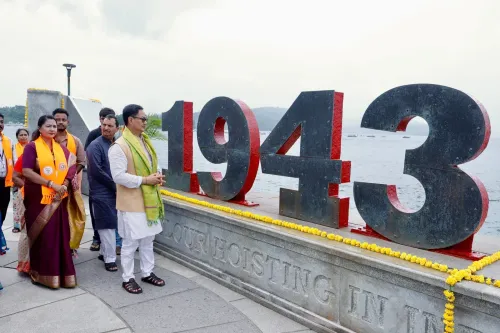
The renaming honours Netaji Subhas Chandra Bose , founder of the Indian National Army , who briefly hoisted the Indian tricolour over the Andamans in 1943 .
The renaming is part of India's broader policy of symbolic decolonisation, replacing colonial-era place names with those of national freedom struggle icons.
The island is a heritage tourism site retaining ruins of British-era administrative buildings, accessible from Port Blair .
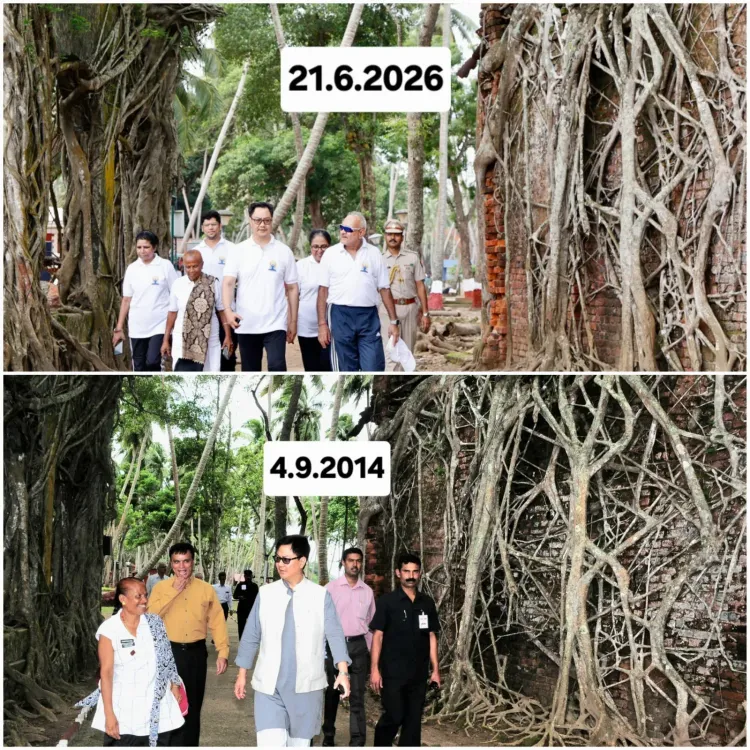
Union Parliamentary Affairs Minister Kiren Rijiju on Monday, 22 June 2026, shared a personal reflection from the Andaman and Nicobar Islands, noting a return visit to a location he had last seen 12 years ago — one that has since shed its colonial identity for a name honouring India's independence legacy.
Rijiju posted on X: 'Same place after 12 years in Andaman and Nicobar Islands! It was known as Ross Island reminding the British legacy and now, known as Netaji Subhash Chandra Bose Island, showcasing resurgent Indian spirit.' The post was accompanied by an image from the island.
Context
The island, located off Port Blair in the Bay of Bengal, served as the administrative nerve centre of the British colonial government in the Andamans. Its colonial name, Ross Island, commemorated a British marine surveyor and stood as a marker of imperial administration for over a century.
In December 2018, the central government formally renamed Ross Island as Netaji Subhas Chandra Bose Island, alongside two other islands in the archipelago. The renaming was announced to mark the enduring legacy of Netaji Subhas Chandra Bose, the independence leader who founded the Indian National Army and sought international support to end British rule during World War II.
Policy Backdrop
The renaming is part of a broader, consistent pattern of symbolic decolonisation pursued across India's states and Union Territories, with particular emphasis on honouring freedom struggle icons. The Andaman and Nicobar Islands carry special weight in this narrative: the archipelago housed the Cellular Jail in Port Blair, where the British imprisoned hundreds of political activists fighting for independence.
Netaji Bose's connection to the Andamans is historically significant — the Indian National Army briefly raised the Indian tricolour over the islands in 1943, marking one of the earliest symbolic assertions of Indian sovereignty on Indian soil during the freedom struggle. Renaming the former British headquarters after him was thus seen as a historically resonant act.
Stakeholders and Impact
The renaming carries meaning for multiple groups: residents of the Andaman and Nicobar Islands, heritage tourists visiting the archipelago, and those with a keen interest in the freedom movement. The island, which retains ruins of the old British administrative buildings, is a popular heritage tourism destination accessible by ferry from Port Blair.
For the broader Indian public, Rijiju's post frames the name change as an expression of what he calls the 'resurgent Indian spirit' — a phrase that reflects the government's consistent messaging around reclaiming national symbols from the colonial era.
What's Next
Rijiju's visit and public reflection may draw renewed attention to Netaji Subhas Chandra Bose Island as a heritage and tourism destination. Observers will watch for any further official commemorations tied to Netaji Bose's birth anniversary on 23 January, or government announcements on tourism infrastructure development at the renamed site. The island's evolution from a symbol of British colonial power to one bearing the name of India's most prominent anti-colonial military leader encapsulates the long arc of post-independence symbolic reclamation.
Point of View
Relatable narratives. By framing a ministerial visit as a before-and-after story — the same place, a different name, a different identity — the communication strategy personalises a government policy decision and makes it emotionally accessible. The Andaman and Nicobar Islands are especially potent ground for this messaging, given the Cellular Jail's place in the national consciousness. The broader pattern suggests that renaming exercises are not one-off events but part of a deliberate, long-term project to reshape India's symbolic landscape, with senior ministers serving as amplifiers through social media.
NationPress
20 Sept 2026
Frequently Asked Questions
Why was Ross Island renamed Netaji Subhas Chandra Bose Island?
The central government renamed Ross Island as Netaji Subhas Chandra Bose Island in December 2018 to honour the legacy of independence leader Netaji Subhas Chandra Bose and to replace a colonial-era name with one reflecting India's freedom struggle.
When was Ross Island renamed in Andaman?
Ross Island was officially renamed Netaji Subhas Chandra Bose Island in December 2018 by the central government, along with two other islands in the Andaman and Nicobar archipelago.
What is the historical significance of Netaji Subhas Chandra Bose Island?
The island was the British colonial administrative headquarters in the Andamans. Netaji Bose's Indian National Army briefly raised the Indian tricolour over the Andamans in 1943, making the renaming historically significant.
Where is Netaji Subhas Chandra Bose Island located?
Netaji Subhas Chandra Bose Island, formerly Ross Island, is located in the Bay of Bengal near Port Blair, the capital of the Andaman and Nicobar Islands Union Territory.
What did Kiren Rijiju say about his Andaman visit in June 2026?
Rijiju posted on X that he had returned to the same place after 12 years and noted that it was once called Ross Island, reminding visitors of British legacy, and is now known as Netaji Subhas Chandra Bose Island, showcasing what he called the resurgent Indian spirit.