Rijiju slams Congress over exam anti-cheating bill

Synopsis
Union Parliamentary Affairs Minister Kiren Rijiju has publicly accused the Congress party of offering no substantive suggestions on the Public Examinations (Prevention of Unfair Means) Amendment Bill, charging that the opposition reduced a critical piece of legislation — aimed at protecting job aspirants from paper leaks — to political theatre.
Key Takeaways
Kiren Rijiju , Union Parliamentary Affairs Minister, accused Congress of failing to offer any substantive suggestions on the Public Examinations (Prevention of Unfair Means) Amendment Bill .
Rijiju said the opposition 'was doing politics throughout all along' and declared opposition parties 'exposed completely.' The original Public Examinations (Prevention of Unfair Means) Act, 2024 was enacted to penalise paper leaks in central recruitment exams conducted by bodies like UPSC and SSC .
The Amendment Bill is intended to further strengthen the 2024 anti-cheating law , which was itself a response to widespread public protests over exam fraud.
Further debate and a vote on the Amendment Bill are expected in the ongoing or upcoming Parliament session.
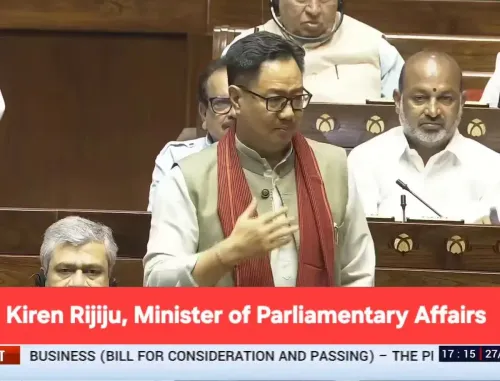
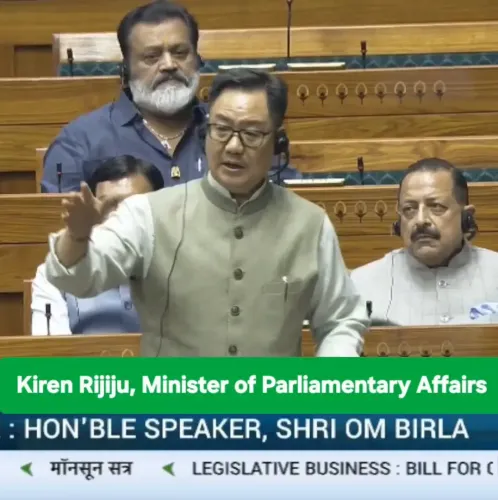
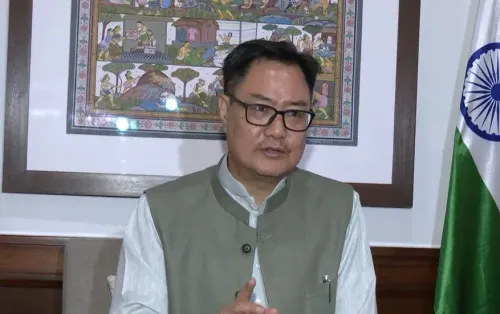
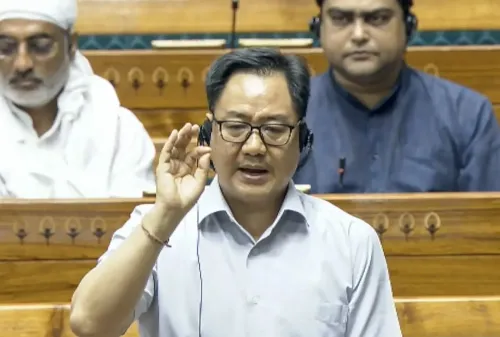
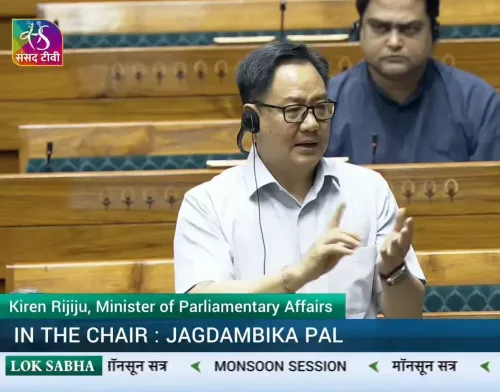
A bill designed to protect millions of job aspirants from paper leaks and exam fraud became the latest flashpoint in Parliament on Tuesday, July 28, 2026, as Union Parliamentary Affairs Minister Kiren Rijiju publicly accused the Congress party of reducing a serious legislative exercise to political theatre.
Rijiju was unsparing in his assessment. 'Congress party has miserably failed to give any substantive suggestion on the Public Examinations (Prevention of Unfair Means) Amendment Bill,' he said. 'They were doing politics throughout all along. Opposition parties are exposed completely.'
What the Amendment Bill is trying to fix
The original Public Examinations (Prevention of Unfair Means) Act, 2024 was Parliament's direct response to a wave of high-profile paper leaks that had derailed recruitment cycles run by central bodies such as UPSC and SSC, triggering street protests by lakhs of aspirants who had spent years preparing for those tests. The law introduced stiff penalties for malpractice — a signal that the government was treating exam integrity as a governance priority, not a bureaucratic footnote. The Amendment Bill now before Parliament is aimed at strengthening those provisions further.Rijiju's charge: politics over policy
For a minister whose portfolio puts him at the centre of floor management in both Houses, the accusation carries specific weight. Parliamentary Affairs ministers are the government's chief negotiators with the opposition — they are, by definition, the ones who know whether the other side engaged in good faith. Rijiju's public broadside suggests those behind-the-scenes conversations did not go well. His framing — that Congress offered no 'substantive suggestion' — draws a sharp contrast between legislative participation and legislative obstruction, a distinction that will resonate with the millions of exam aspirants who have a direct stake in how robustly the law is written. The charge also fits a pattern that has played out across multiple sessions: treasury benches accusing the opposition of grandstanding on bills that affect ordinary citizens, while opposition parties counter that the government steamrolls legislation without genuine consultation. Neither side has a monopoly on that argument, but Rijiju's post plants the government's flag firmly on the side of the aspirants. The Amendment Bill's next test will come when Parliament returns for further debate and a vote — and the country's job-seekers will be watching every move at the dispatch box.Point of View
The government puts Congress on the back foot without debating the bill's merits directly. This tactic has become a signature of the current parliamentary management style: use the minister's platform to set the terms of public accountability before the vote. Whether Congress responds with specific counter-proposals or doubles down on procedural objections will determine which party owns the aspirant vote heading into the next electoral cycle.
NationPress
28 Jul 2026
Frequently Asked Questions
What is the Public Examinations (Prevention of Unfair Means) Amendment Bill?
It is an amendment to the Public Examinations (Prevention of Unfair Means) Act, 2024, which was enacted to penalise malpractices like paper leaks in central recruitment exams conducted by bodies such as UPSC and SSC. The Amendment Bill seeks to strengthen those provisions further.
Why did Kiren Rijiju criticise Congress over the exam bill?
Rijiju accused Congress of failing to offer any substantive suggestions during parliamentary deliberations on the Amendment Bill, alleging the party was focused on politics rather than constructive legislative engagement.
What was the original Public Examinations Act of 2024 about?
The Public Examinations (Prevention of Unfair Means) Act, 2024 was passed by Parliament in response to recurring paper leaks in competitive recruitment tests, introducing strict penalties for exam fraud to protect job aspirants.
Who is Kiren Rijiju?
Kiren Rijiju is a senior BJP leader from Arunachal Pradesh serving as Union Minister of Parliamentary Affairs and Minister of Minority Affairs in the central government.
When will the Public Examinations Amendment Bill be voted on?
The bill is expected to come up for further debate and a vote during the current or upcoming session of Parliament, though an exact date has not been confirmed.