Rijiju targets Congress 'dynasty', says Modi lives in people's heart

Synopsis
Union Parliamentary Affairs Minister Kiren Rijiju on June 26, 2026, attacked Congress for placing its 'supreme family' above the people, asserting that Prime Minister Modi commands genuine mass support. The post revives BJP's long-standing anti-dynasty electoral framing ahead of future polls.
Key Takeaways
Kiren Rijiju , Union Minister of Parliamentary Affairs, posted on X on June 26, 2026 , targeting Congress over dynastic politics.
He referred to the Nehru-Gandhi family as the 'supreme family of the Congress Party,' calling the attitude a 'height of arrogance.' Rijiju asserted that Prime Minister Narendra Modi 'lives in people's heart,' invoking the BJP's non-dynastic leadership narrative.
The BJP has deployed anti-dynasty messaging consistently since the 2013–14 general election campaign .
The post was accompanied by a video and is part of a broader pattern of BJP political communication ahead of electoral cycles.
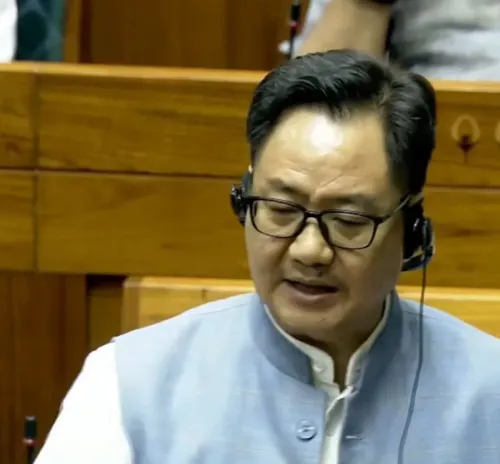
Union Parliamentary Affairs Minister Kiren Rijiju on Friday, June 26, 2026, sharply attacked the Indian National Congress, accusing the party of placing its 'supreme family' above the people of India and asserting that Prime Minister Narendra Modi commands a deeper, grassroots connect with ordinary citizens.
Context
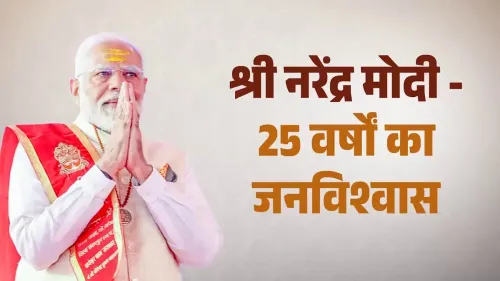
Posting on X, Rijiju wrote: 'Heights of arrogance and confidence. People are supreme not the supreme family of the Congress Party. Modi Ji lives in people's heart.' The post, accompanied by a video, frames Congress's leadership structure as one rooted in elite dynastic privilege — a contrast the BJP has consistently drawn since its landmark 2014 general election victory.
The phrase 'supreme family' is a pointed reference to the Nehru-Gandhi family, which has dominated Congress's organisational and electoral identity for decades. Rahul Gandhi, scion of the family, has been the primary face of the party in recent election cycles.
Policy Backdrop
The BJP's anti-dynasty messaging is not new. During the 2013–14 general election campaign, then-Chief Ministerial candidate Narendra Modi repeatedly targeted Congress's dynastic character, coining the term 'shehzada' for Rahul Gandhi. The framing proved electorally potent, and the party has sustained it through the 2019 general election and successive state assembly polls.
Rijiju, a senior BJP leader from Arunachal Pradesh, has been a consistent voice in this messaging. As Union Minister of Parliamentary Affairs, he occupies a role that places him at the intersection of legislative strategy and political communication, making such public statements part of a broader coordinated outreach.
Stakeholders and Impact
The immediate audience for this messaging is the Indian voter — particularly those in constituencies where Congress competes directly with the BJP. By positioning Modi as a leader who 'lives in people's hearts,' the BJP seeks to reinforce its narrative of a non-dynastic, mass-connect leadership against what it characterises as Congress's insular family rule.
Congress has historically pushed back against such attacks by arguing that the party's legacy of governance and constitutional commitment outweighs questions of lineage. The party is likely to respond through social media and parliamentary platforms, as it has done in previous cycles of similar BJP rhetoric.
What's Next
Statements of this nature typically intensify in the run-up to electoral contests. Political observers will watch whether Congress escalates its rebuttal in Parliament or on social media, and whether BJP leaders amplify this line of attack in coordinated fashion ahead of the next major election cycle. The durability of the anti-dynasty frame as a vote-mobilisation tool will be tested in the months ahead.
Point of View
People-first Modi versus the entitled Congress family. The timing and phrasing suggest this is coordinated messaging rather than an isolated remark, consistent with how the party has historically calibrated its anti-dynasty rhetoric ahead of electoral contests. By invoking 'arrogance and confidence,' Rijiju attempts to recast Congress's organisational continuity as a democratic deficit. The effectiveness of this frame will ultimately depend on whether voters in competitive constituencies continue to find it compelling against Congress's counter-narrative of governance and constitutional legacy.
NationPress
24 Sept 2026
Frequently Asked Questions
What did Kiren Rijiju say about Congress on June 26 2026?
Rijiju posted on X accusing Congress of placing its 'supreme family' above the people of India, calling it a 'height of arrogance,' and asserting that Prime Minister Modi 'lives in people's heart.'
Who is the 'supreme family' Rijiju referred to in his post?
The phrase is a reference to the Nehru-Gandhi family , which has historically led the Indian National Congress and whose members, including Rahul Gandhi , remain central to the party's leadership.
Why does BJP attack Congress over dynasty politics?
The BJP has used anti-dynasty messaging since the 2013–14 general election to contrast Narendra Modi 's non-dynastic origins with Congress's family-centric leadership, framing it as popular versus elite politics.
What is Kiren Rijiju's role in the government?
Kiren Rijiju is the Union Minister of Parliamentary Affairs and Minister of Minority Affairs, and is a senior BJP leader from Arunachal Pradesh .
How does Congress typically respond to BJP's dynasty attacks?
Congress has historically argued that its legacy of governance and constitutional commitment outweighs questions of lineage, and typically responds through social media and parliamentary platforms.