Rijiju: UAE, Norway Ties to Boost India's Shipbuilding Jobs
Synopsis
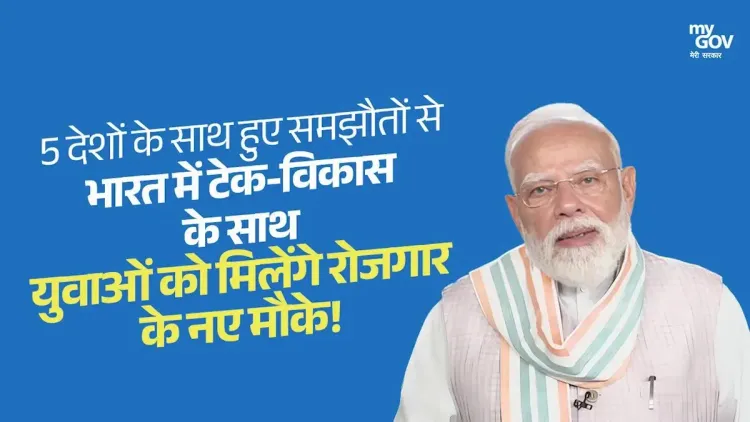
Union Minister Kiren Rijiju quoted PM Modi on 23 May 2026, saying partnerships with the UAE and Norway will strengthen India's shipbuilding ecosystem and create unprecedented demand for engineers, technicians, and skilled workers — advancing the Make in India and Sagarmala agendas.
Key Takeaways
PM Modi stated that partnerships with the UAE and Norway will strengthen India's shipbuilding ecosystem, as quoted by Minister Kiren Rijiju on 23 May 2026 .
The Prime Minister said demand for India's engineers, technicians, and skilled workers is set to rise to an unprecedented level.
Norway contributes advanced maritime technology and ship design expertise; the UAE brings investment and trade infrastructure ties.
India's shipbuilding push is underpinned by the Sagarmala Programme (2015) and the Make in India initiative (2014) .
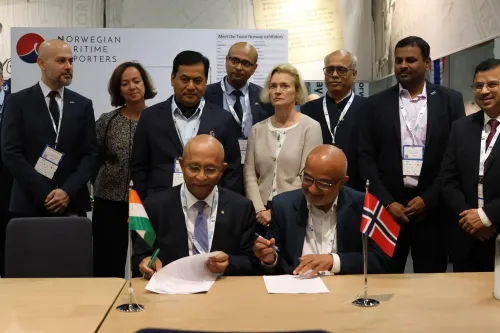
Specific MoU terms, technology transfer details, and project timelines for the UAE and Norway partnerships have not yet been officially released.
A stronger domestic shipbuilding sector is expected to benefit shipbuilding firms, marine engineers, and skilled tradespeople across India.
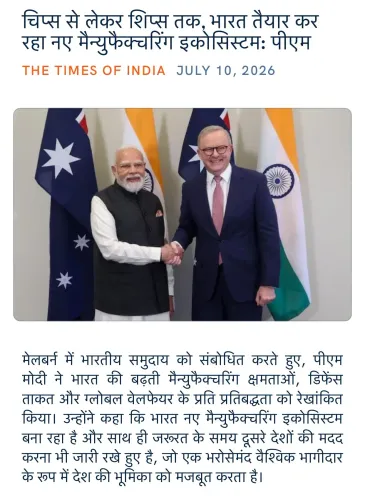
Union Parliamentary Affairs Minister Kiren Rijiju on Saturday, 23 May 2026, shared a statement by Prime Minister Narendra Modi highlighting that partnerships with the United Arab Emirates and Norway are set to significantly strengthen India's shipbuilding ecosystem and generate large-scale employment for skilled workers.
Context
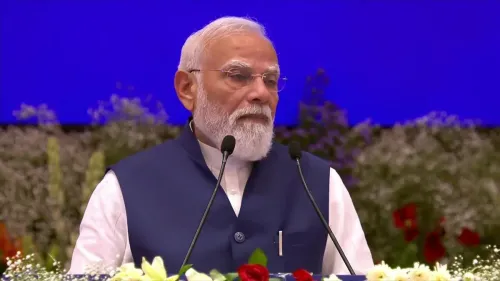
Quoting Prime Minister Modi, Rijiju wrote: 'यूएई और नॉर्वे के साथ पार्टनरशिप से भारत का shipbuilding ecosystem मजबूत होगा।' — 'The partnership with UAE and Norway will strengthen India's shipbuilding ecosystem.' The Prime Minister added that demand for India's engineers, technicians, and skilled workers is set to rise to a degree 'you cannot imagine.'
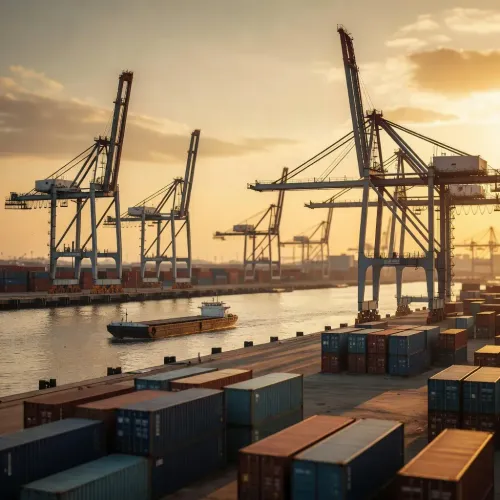
The statement underscores a deliberate push by the Modi government to position India as a global shipbuilding hub by attracting maritime expertise from countries with advanced naval and commercial vessel construction capabilities.
Policy Backdrop
India's shipbuilding ambitions are anchored in two flagship programmes. The Sagarmala Programme, launched in 2015, was designed to modernise ports and expand domestic shipbuilding capacity along India's coastline. The Make in India initiative, announced in 2014, explicitly identifies shipbuilding as a priority manufacturing sector.
Norway brings to the table advanced maritime technology and ship design expertise, frequently shared through bilateral cooperation frameworks. The UAE, a major hub for maritime trade in the Gulf, maintains extensive economic and investment ties with India across infrastructure and energy sectors. Together, these partnerships fit an established pattern of India leveraging foreign expertise to scale up shipyard output and integrate global standards into domestic production.
Stakeholders and Impact
The most immediate beneficiaries of an expanded shipbuilding sector would be marine engineers, technicians, and skilled tradespeople — a workforce segment the government has consistently sought to develop through vocational and technical training programmes. Indian shipbuilding firms, both public-sector yards and private players, stand to gain from technology transfer and potential investment flows that bilateral agreements could unlock.
A stronger domestic shipbuilding base also carries strategic implications, reducing India's dependence on foreign-built vessels for both commercial fleets and, in the longer term, defence procurement pipelines.
What's Next
Specific details — including the exact terms of any Memoranda of Understanding, technology transfer arrangements, or timelines for shipyard projects linked to the UAE and Norway engagements — have not been formally released in the public domain. Parliamentary updates or official government releases are expected to provide granular information on the structure and scope of these partnerships.
As India accelerates its maritime development agenda, the degree to which these bilateral ties translate into verifiable investment commitments and job creation benchmarks will be closely watched by industry stakeholders and policymakers alike.
Point of View
Technicians, skilled workers — reflects the administration's consistent effort to frame foreign partnerships in terms of tangible benefits for the Indian workforce rather than abstract geopolitical gains. Norway and the UAE represent complementary strategic assets: one brings deep maritime technology, the other financial and logistical heft. Whether these partnerships produce binding, time-bound commitments or remain aspirational will determine the political weight this messaging carries.
NationPress
7 Oct 2026
Frequently Asked Questions
How will India's partnership with UAE and Norway help shipbuilding?
According to PM Modi, as quoted by Minister Rijiju, the partnerships are expected to strengthen India's shipbuilding ecosystem by bringing in maritime technology and investment, creating significant demand for Indian engineers, technicians, and skilled workers.
What is the Sagarmala Programme and how does it relate to shipbuilding?
The Sagarmala Programme , launched in 2015 , is a central government initiative to modernise India's ports and expand domestic shipbuilding capacity. It forms a key policy foundation for India's current maritime development goals.
What did PM Modi say about jobs in the shipbuilding sector?
PM Modi stated that demand for India's engineers, technicians, and skilled workers resulting from the UAE and Norway partnerships will rise to a level 'you cannot imagine,' signalling expectations of large-scale employment generation.
Is Make in India focused on shipbuilding?
Yes. The Make in India initiative, announced in 2014 , explicitly identifies shipbuilding as a priority manufacturing sector, and the government has pursued bilateral partnerships to scale up indigenous vessel construction.
Have India's shipbuilding MoUs with UAE and Norway been signed?
Specific details — including signing dates, MoU terms, and project timelines for the UAE and Norway shipbuilding partnerships — have not been officially confirmed in the public domain as of 23 May 2026 .