Rijiju Unveils 89-Volume CLA Proceedings, Vidhan-Chetna Mag
Synopsis
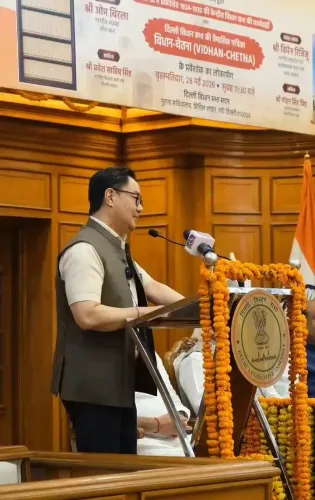
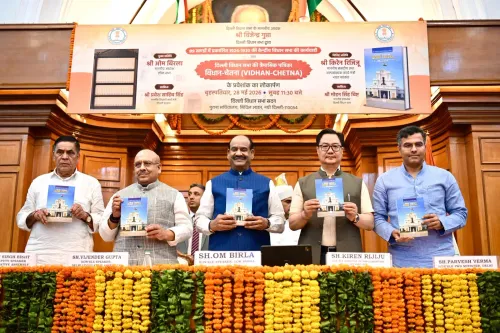
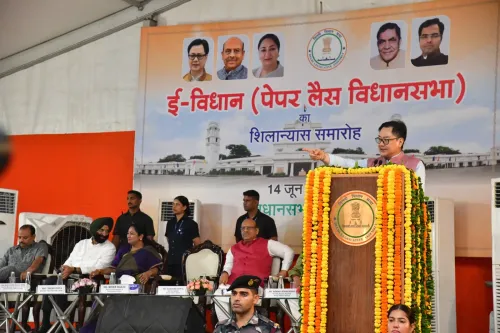
Union Parliamentary Affairs Minister Kiren Rijiju on 28 May 2026 addressed the unveiling of 89 volumes of Central Legislative Assembly proceedings from 1924–1930 and the launch of 'Vidhan-Chetna', a quarterly magazine by the Delhi Legislative Assembly, at New Delhi.
Key Takeaways
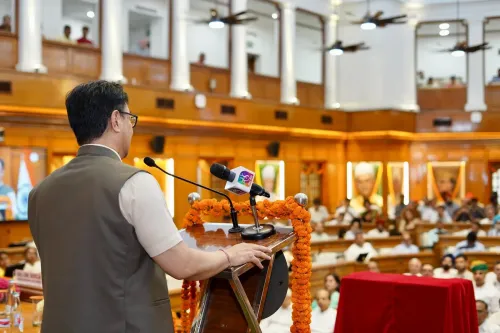
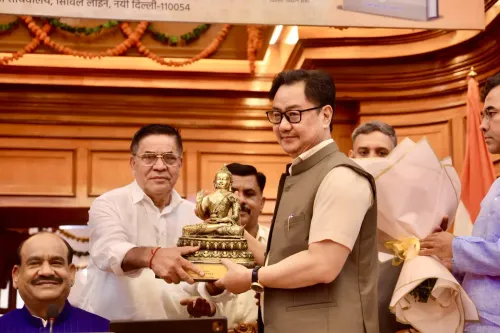
Union Parliamentary Affairs Minister Kiren Rijiju addressed the event at the Delhi Legislative Assembly, New Delhi , on 28 May 2026 .
The Delhi Legislative Assembly published 89 volumes of 'Proceedings of Central Legislative Assembly During 1924–1930' .
A new quarterly magazine, 'Vidhan-Chetna' , was also unveiled at the same event to promote legislative awareness.
The Central Legislative Assembly was the lower house of British India's legislature, established under the Government of India Act, 1919 , and functioned until 1947 .
The project places a state legislature at the forefront of preserving India's colonial-era parliamentary records.
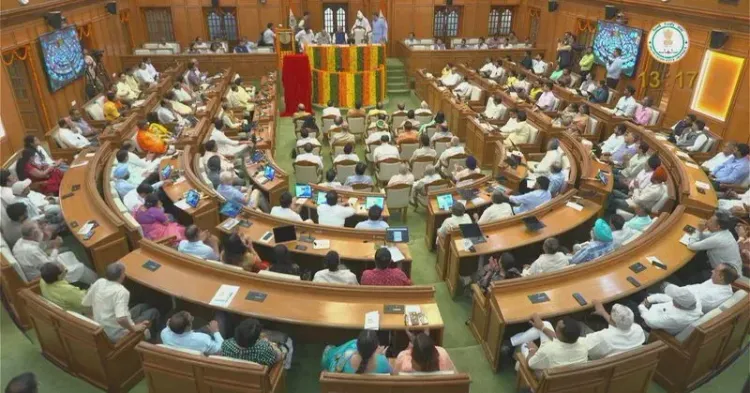
Union Parliamentary Affairs Minister Kiren Rijiju addressed the unveiling of 'Proceedings of Central Legislative Assembly During 1924–1930' — compiled across 89 volumes — and the launch of the quarterly magazine 'Vidhan-Chetna', both published by the Delhi Legislative Assembly, at an event held at the Delhi Legislative Assembly, New Delhi, on Thursday, 28 May 2026.
Context
The event marked the public release of two distinct publications. The first is an expansive 89-volume compilation of the proceedings of the Central Legislative Assembly (CLA), covering the years 1924 to 1930 — a period that encompassed landmark debates in British India's bicameral legislature. The second is 'Vidhan-Chetna', a new quarterly magazine by the Delhi Legislative Assembly aimed at disseminating information on legislative processes and parliamentary history to a wider audience.
Policy Backdrop
The Central Legislative Assembly was established as the lower house of British India's legislature under the Government of India Act, 1919, and functioned until 1947. Its proceedings from the 1920s are considered foundational records of India's parliamentary heritage, featuring debates by nationalist leaders who shaped the independence movement. Efforts to compile and publish such colonial-era legislative records have been a recurring initiative of institutions such as the National Archives of India and the Parliament Library, framed as exercises in preserving institutional memory. The Delhi Legislative Assembly's undertaking of this 89-volume set places a state legislature at the centre of such archival work — an unusual and significant step.
The simultaneous launch of 'Vidhan-Chetna' reflects a broader pattern among Indian state assemblies to produce journals and magazines that connect contemporary law-making to historical precedents. Such publications typically target legislators, students of political science, historians, and parliamentary researchers.
Stakeholders and Impact
The primary beneficiaries of the 89-volume CLA proceedings are historians, parliamentary researchers, law students, and archivists who study the evolution of legislative practice in India. Access to verbatim records from the 1924–1930 period — which includes debates on pivotal legislation under the colonial administration — offers a primary-source reference that has historically been difficult to access in consolidated form. Rijiju's presence as Union Parliamentary Affairs Minister lends the event national visibility and underscores the central government's interest in parliamentary heritage projects led by state legislatures. 'Vidhan-Chetna', as a quarterly publication, is expected to serve a more general readership seeking accessible commentary on legislative affairs.
What's Next
The completion of the 1924–1930 volumes raises the prospect of similar compilations covering later years of the Central Legislative Assembly up to 1947. Other state assemblies may draw on the Delhi Legislative Assembly's model to undertake comparable archival publication projects. The trajectory of 'Vidhan-Chetna' as a quarterly magazine will depend on editorial continuity and readership uptake. The event also signals that parliamentary heritage — long the domain of central institutions — is increasingly being championed at the state level, a trend that could influence how India documents and disseminates its pre-independence legislative history.
Point of View
Institution-building common ground across party lines. The 89-volume CLA proceedings project is one of the most substantial archival undertakings by any state legislature in recent memory, effectively repositioning the Delhi Assembly as a custodian of national parliamentary history. The simultaneous launch of 'Vidhan-Chetna' suggests a deliberate effort to build a public identity around legislative literacy, not just law-making. Together, these moves reflect a wider governmental impulse to anchor contemporary democratic institutions in a pre-independence legislative lineage.
NationPress
19 Sept 2026
Frequently Asked Questions
What is the 'Proceedings of Central Legislative Assembly During 1924–1930' publication?
It is an 89-volume compilation of the verbatim proceedings of the Central Legislative Assembly — the lower house of British India's legislature — covering the years 1924 to 1930, published by the Delhi Legislative Assembly.
What is Vidhan-Chetna magazine?
'Vidhan-Chetna' is a quarterly magazine launched by the Delhi Legislative Assembly to disseminate information on legislative processes, parliamentary history, and law-making to a broader audience.
Why was Kiren Rijiju at the Delhi Legislative Assembly event?
As Union Minister of Parliamentary Affairs, Kiren Rijiju addressed the unveiling of both publications on 28 May 2026, lending central government visibility to the Delhi Assembly's parliamentary heritage initiative.
What was the Central Legislative Assembly of India?
The Central Legislative Assembly was established as the lower house of British India's bicameral legislature under the Government of India Act, 1919, and functioned until India's independence in 1947.
Why are CLA proceedings from the 1920s historically significant?
The 1920s proceedings of the Central Legislative Assembly contain debates by nationalist leaders and records of pivotal colonial-era legislation, making them primary-source documents for understanding the evolution of Indian parliamentary democracy.