Rijiju calls for ocean protection on World Ocean Day
Synopsis
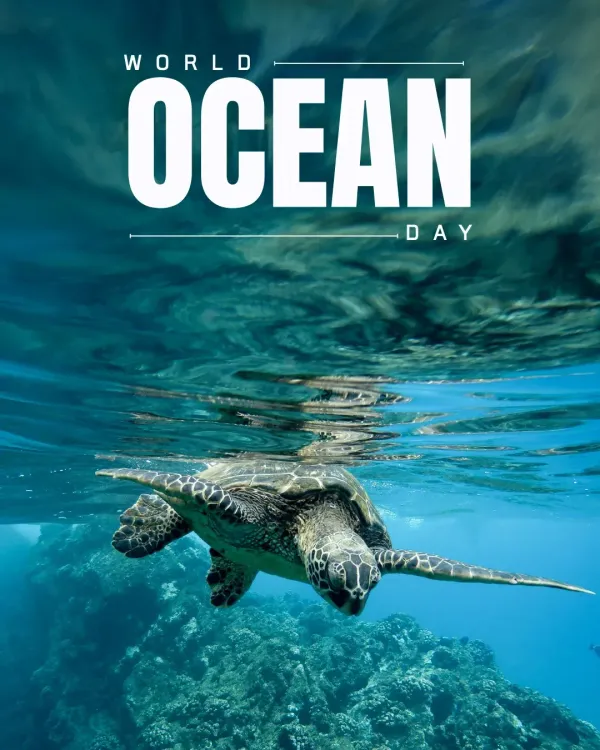
Union Minister Kiren Rijiju marked World Ocean Day on 8 June 2026 by calling for stronger protection of marine ecosystems and an end to ocean pollution, aligning with India's SDG 14 commitments and its broader blue-economy policy framework.
Key Takeaways
Kiren Rijiju , Union Parliamentary Affairs Minister, posted a World Ocean Day message on 8 June 2026 urging ocean protection.
World Ocean Day has been observed annually on 8 June since a UN General Assembly proclamation in 2008 .
India ratified UNCLOS in 1995 and adopted SDG 14 in 2015 , committing to marine conservation obligations.
The Sagarmala Project (2015) is India's flagship initiative linking coastal development with environmental safeguards.
India's coastline spans over 7,500 kilometres , making ocean health critical for millions of coastal and fishing communities.
No new policy measures were announced; the post reinforces existing commitments ahead of future UN Ocean Conference engagements.
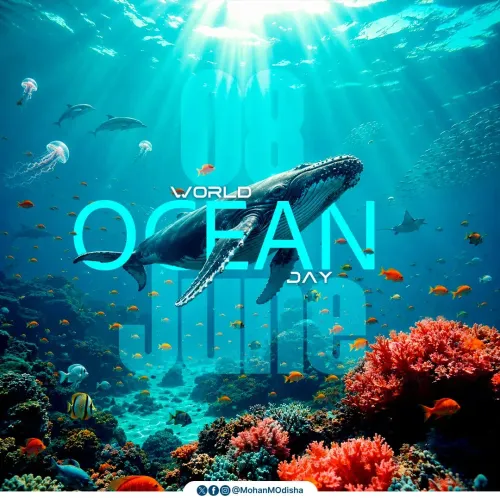
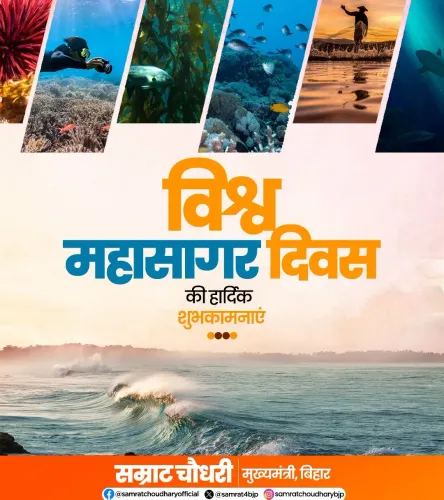
Union Parliamentary Affairs Minister Kiren Rijiju on Monday, 8 June 2026 marked World Ocean Day by calling on citizens to strengthen their commitment to protecting marine ecosystems and keeping oceans free from pollution, stressing that a sustainable future begins with responsible action today.
Context
World Ocean Day is observed every year on 8 June, following a United Nations General Assembly proclamation in 2008 that formally recognised the date as a global platform for ocean awareness. The day draws attention to the ocean's role in sustaining life, regulating the planet's climate, and supporting biodiversity across marine and coastal habitats.
Rijiju's post noted that 'the ocean gives us far more than we often realise — it sustains life, regulates our climate and supports rich biodiversity across the planet,' framing the message around collective responsibility rather than any specific policy announcement.
Policy Backdrop
India ratified the United Nations Convention on the Law of the Sea (UNCLOS) in 1995, establishing its legal framework for maritime rights and marine environmental obligations. The country also adopted the Sustainable Development Goals in 2015, including SDG 14, which commits nations to conserving and sustainably using oceans and marine resources.
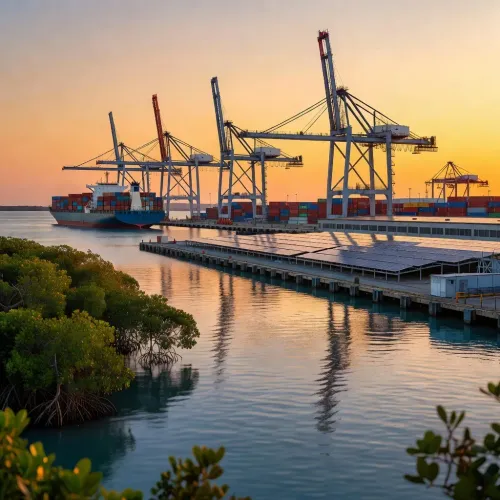
The Sagarmala Project, approved in 2015, remains the flagship domestic initiative linking port-led coastal development with environmental safeguards and the livelihoods of coastal communities. India's extensive coastline — stretching over 7,500 kilometres — makes ocean health a direct economic and ecological concern for millions of citizens.
At the international level, the UN Decade of Ocean Science for Sustainable Development (2021–2030) provides the multilateral framework within which India's ocean-related commitments are assessed and reported.
Stakeholders and Impact
India's coastal communities and the fishing sector are among the most directly affected by the health of marine ecosystems. Pollution, overfishing, and climate-driven ocean warming threaten fish stocks and the incomes of millions of small-scale fisherfolk along the country's coasts.
Marine biodiversity — including coral reefs in the Lakshadweep and Andaman and Nicobar Islands — is under increasing pressure from plastic pollution and rising sea temperatures. High-level messaging from Union Ministers on occasions such as World Ocean Day reinforces the political salience of marine conservation within the broader climate and environment agenda.
What's Next
Attention will turn to India's interventions at upcoming UN Ocean Conferences and any future updates to Coastal Regulation Zone (CRZ) notifications, which govern development activity along the country's shoreline. Progress on SDG 14 targets and India's position on global marine pollution agreements will be closely watched by environmental groups and coastal stakeholders alike.
As the UN Decade of Ocean Science moves past its midpoint, the pressure on member states — including India — to translate awareness messaging into measurable conservation outcomes is expected to intensify.
Point of View
Signalling political alignment with international sustainability frameworks without committing to new domestic measures. The statement carries added weight given India's dual identity as a major blue-economy stakeholder and a country with significant marine pollution challenges. It also positions the ruling dispensation as engaged with multilateral ocean governance ahead of key UN review processes. The absence of concrete announcements, however, means the post functions primarily as a reputational signal rather than a policy marker.
NationPress
19 Sept 2026
Frequently Asked Questions
Why did Kiren Rijiju post about World Ocean Day?
Kiren Rijiju posted on World Ocean Day — observed on 8 June every year — to call for stronger protection of marine ecosystems and to highlight the ocean's role in sustaining life, regulating climate, and supporting biodiversity.
What is World Ocean Day and who started it?
World Ocean Day is an annual global observance on 8 June, proclaimed by the United Nations General Assembly in 2008 to raise awareness about ocean sustainability and the importance of marine ecosystems.
What is India's policy on ocean conservation?
India ratified UNCLOS in 1995, adopted SDG 14 in 2015, and launched the Sagarmala Project to balance coastal development with environmental protection. The country also participates in the UN Decade of Ocean Science (2021–2030).
What is SDG 14 and does India follow it?
SDG 14 is the United Nations Sustainable Development Goal focused on conserving and sustainably using oceans, seas, and marine resources. India adopted the SDGs in 2015 and is committed to meeting SDG 14 targets.
What is the Sagarmala Project?
The Sagarmala Project, approved in 2015, is India's central government initiative to promote port-led coastal development while incorporating environmental safeguards and supporting the livelihoods of coastal communities.