Sonowal calls for Blue Economy push on World Ocean Day
Synopsis
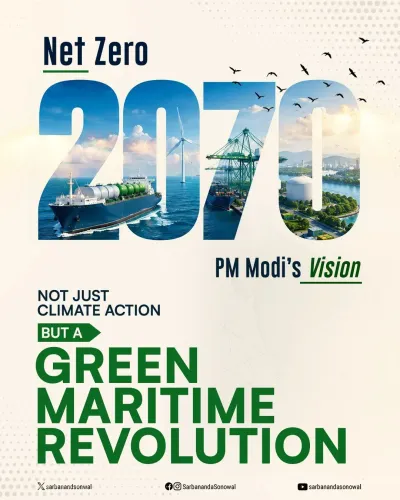
Union Minister Sarbananda Sonowal marked World Ocean Day on 8 June 2026 by calling for marine ecosystem protection and reaffirming India's Blue Economy and sustainable shipping vision, continuing a policy line rooted in the Sagarmala Project and Maritime India Vision 2030.
Key Takeaways
Union Minister Sarbananda Sonowal posted a World Ocean Day message on 8 June 2026 stressing ocean conservation and Blue Economy growth.
He called for protecting marine ecosystems while advancing sustainable shipping — the dual mandate of the Ministry of Ports, Shipping and Waterways .
India's Blue Economy policy rests on the Sagarmala Project (2015) and Maritime India Vision 2030 (2021) .
The statement aligns with India's commitments under the UN SDGs and positions taken during its G20 presidency.
Key stakeholders include the shipping industry and coastal communities along India's roughly 7,500-km coastline .
Policy watchers are tracking updates to National Maritime Policy guidelines and new sustainable fuel or emissions regulations for Indian ports.
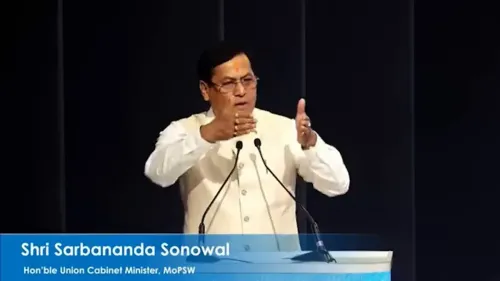
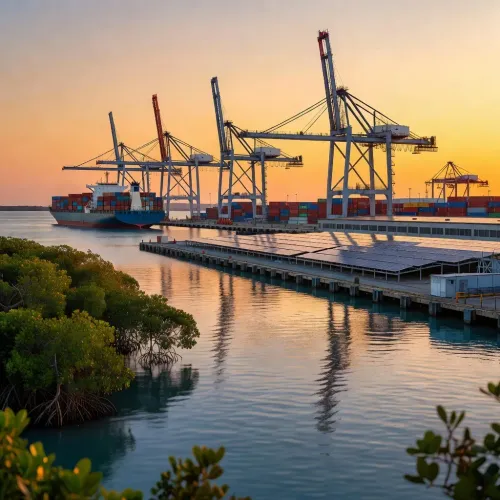
Union Minister of Ports, Shipping and Waterways Sarbananda Sonowal on Monday, 8 June 2026 marked World Ocean Day by calling on the nation to protect marine ecosystems and advance India's vision of a vibrant Blue Economy and sustainable shipping.
Context
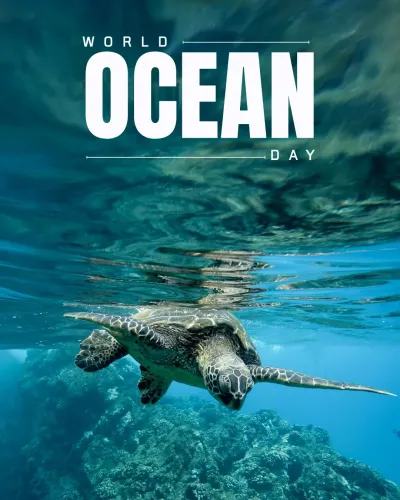
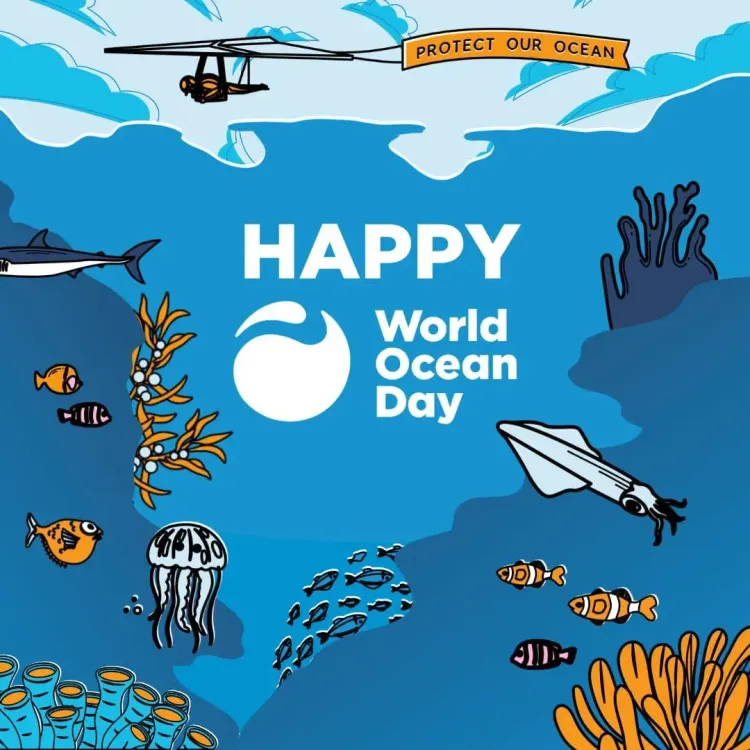
Posting on the occasion of World Ocean Day — the United Nations-observed annual event held every 8 June — Sonowal wrote: 'Oceans are the cradle of life and the backbone of global trade. On this World Ocean Day, let us reaffirm the pledge to protect our marine ecosystems and advance the vision of a vibrant Blue Economy and sustainable shipping.'
The statement positions oceans simultaneously as ecological assets and economic engines, a framing that has become central to the Ministry of Ports, Shipping and Waterways under Sonowal's tenure.
Policy Backdrop
India's engagement with the Blue Economy rests on two foundational pillars. The Sagarmala Project, launched in 2015, was designed to drive port-led development while integrating sustainability objectives across coastal corridors. Building on that, the Maritime India Vision 2030 document released in 2021 set out targets for port modernisation, sustainable shipping, and reduced maritime emissions.
Together, these frameworks reflect a policy consensus that trade competitiveness and marine ecosystem protection are complementary rather than conflicting goals. Successive governments have linked port infrastructure expansion to biodiversity safeguards and lower-carbon operations, commitments India has also carried into its G20 presidency engagements and its obligations under the UN Sustainable Development Goals.
Stakeholders and Impact
The Blue Economy framework directly affects two broad constituencies: the shipping industry, which depends on efficient, modernised ports and predictable regulatory frameworks; and coastal communities, whose livelihoods hinge on healthy fisheries, clean waters, and sustainable resource management.
For the shipping sector, policy signals around sustainable fuels and emissions standards carry significant investment implications. For coastal populations — numbering in the tens of millions along India's roughly 7,500-kilometre coastline — marine ecosystem health is inseparable from food security and daily income. Sonowal's statement, by invoking both trade and ecology, speaks to each constituency.
India's commitments at international forums have added external accountability to these domestic objectives. The dual emphasis on economic growth and conservation has become a recurring thread in the ministry's public communications and its engagements with multilateral bodies.
What's Next
Attention will now turn to concrete policy follow-through. Observers are watching for the rollout of updated National Maritime Policy guidelines and any new regulations on sustainable fuels or port-level emissions standards. Sonowal's World Ocean Day message, coming from the minister directly responsible for these decisions, will be read by industry and civil society alike as a signal of continued political will to act on both the economic and environmental dimensions of India's ocean agenda.
Point of View
Signalling that the ministry intends to hold the line on its twin mandate of maritime economic growth and ecological stewardship. It arrives at a moment when global shipping faces mounting pressure on decarbonisation, and India's positioning — as both a growing maritime power and a voice for developing-nation interests in climate negotiations — makes this balance politically consequential. The invocation of Blue Economy language ties the minister's message directly to a framework with real budgetary and regulatory teeth, from Sagarmala to Maritime India Vision 2030. For industry and coastal communities alike, the signal is that sustainability is not a rhetorical add-on but a stated condition of India's port-led growth model.
NationPress
22 Oct 2026
Frequently Asked Questions
What is World Ocean Day and why does India observe it?
World Ocean Day is a United Nations-observed annual event held on 8 June to promote ocean conservation and sustainable use of marine resources. India observes it because of its extensive coastline, large fishing communities, and growing maritime economy under frameworks like the Blue Economy and Sagarmala Project.
What is India's Blue Economy policy?
India's Blue Economy is a government framework under the Ministry of Ports, Shipping and Waterways for sustainable ocean-based economic growth, covering fisheries, shipping, port development, and marine resource management. It is underpinned by the Sagarmala Project (2015) and Maritime India Vision 2030 (2021).
What did Sarbananda Sonowal say on World Ocean Day 2026?
Sonowal posted on 8 June 2026 that 'oceans are the cradle of life and the backbone of global trade' and called for reaffirming the pledge to protect marine ecosystems and advance the vision of a vibrant Blue Economy and sustainable shipping.
What is the Sagarmala Project?
The Sagarmala Project is a central government initiative launched in 2015 to drive port-led development along India's coastline, linking infrastructure expansion with Blue Economy and sustainability objectives.
What is Maritime India Vision 2030?
Maritime India Vision 2030 is a policy document released in 2021 by the Ministry of Ports, Shipping and Waterways that outlines targets for port modernisation, sustainable shipping, and reduced maritime emissions over the decade.