Sonowal Backs Modi's Green Growth Vision on World Environment Day
Synopsis
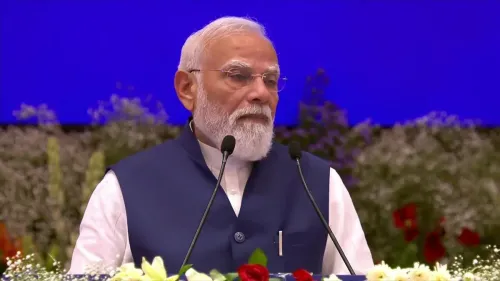
On World Environment Day 2026, Union Minister Sarbananda Sonowal invoked PM Modi's vision of sustainable innovation, asserting that India's 'historic transformation' proves ecology and economy can advance together — underpinned by the Sagarmala Project and Maritime India Vision 2030.
Key Takeaways
Sarbananda Sonowal posted on World Environment Day, 5 June 2026 , reaffirming the government's green growth commitment.
He described the Modi administration's approach as a 'historic transformation' showing ecology and economy are not competing priorities.
The Sagarmala Project (launched 2015 ) and Maritime India Vision 2030 (unveiled 2021 ) are the two flagship frameworks underpinning this dual mandate in the maritime sector.
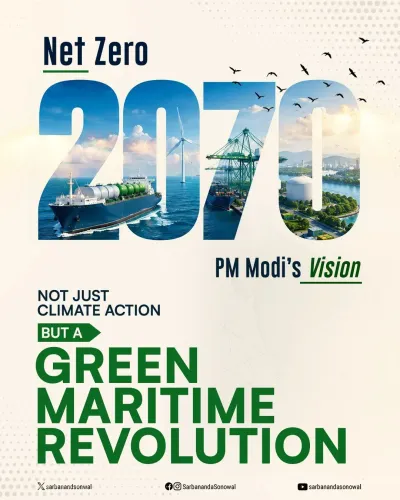
India's net-zero target of 2070 , pledged at COP26 , forms the international backdrop to these domestic sustainability commitments.
Key upcoming milestones include shore-power and green-hydrogen pilot rollouts at major ports and a potential mid-term review of Maritime India Vision 2030 targets.
Port operators, shipping companies, and coastal states are the primary stakeholders affected by the pace of green-infrastructure deployment.
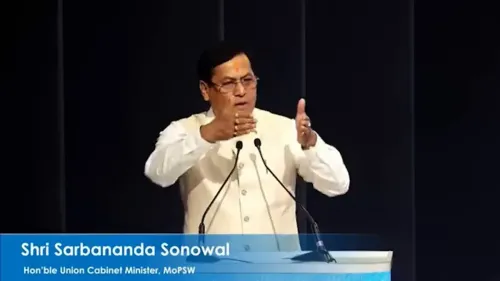
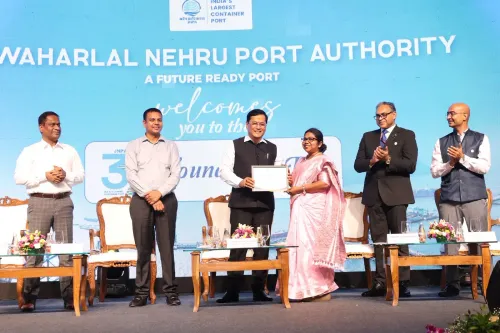
Union Minister of Ports, Shipping and Waterways Sarbananda Sonowal on Friday, 5 June 2026 — World Environment Day — reaffirmed the government's commitment to sustainable development, describing the Modi administration's approach as proof that ecology and economy can advance together.
Context
Posting on World Environment Day, Sonowal framed India's ongoing green transition as a 'historic transformation' driven by Prime Minister Narendra Modi's vision of sustainable innovation. He described the country's trajectory as one aimed at a 'greener and self-reliant Bharat,' invoking the Atmanirbhar Bharat (self-reliant India) framework that has anchored the government's economic messaging since 2020. The post characterises the pursuit of ecological and economic goals not as competing priorities but as mutually reinforcing ones.
Policy Backdrop
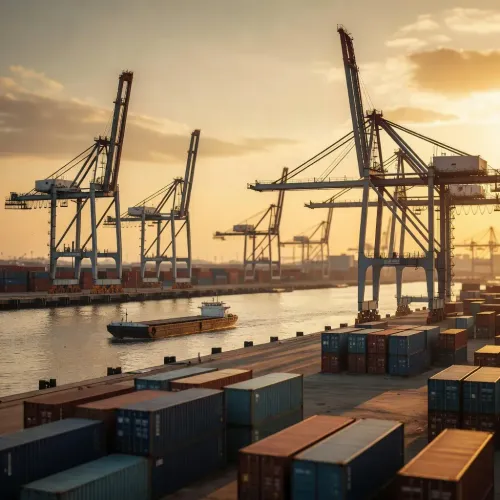
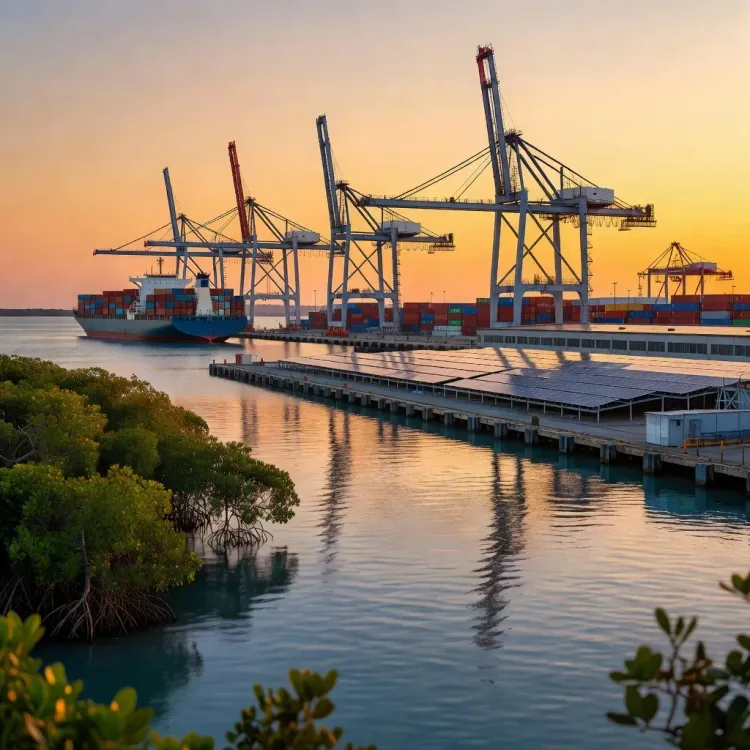
The maritime and ports sector has been a visible testing ground for this dual mandate. The Sagarmala Project, launched in 2015, integrated environmental safeguards into port modernisation and coastal economic development, linking infrastructure expansion with ecological planning from the outset. Building on that foundation, Maritime India Vision 2030 — unveiled in 2021 — laid out emission-reduction pathways and green-technology adoption targets for the shipping and ports sector, including the promotion of cleaner maritime fuels.
Across Indian infrastructure policy since 2014, renewable energy integration at ports and the push for green hydrogen and shore-power pilots have operationalised the administration's stated alignment between Atmanirbhar Bharat goals and international climate commitments, including pledges made at COP26 — among them India's net-zero target of 2070.
Stakeholders and Impact
Port operators, shipping companies, and coastal state governments are the primary stakeholders watching how these commitments translate into on-ground investment and regulation. For shipping firms, the pace of green-fuel infrastructure rollout — particularly hydrogen bunkering and shore-power availability — directly affects fleet planning and compliance costs. Coastal communities stand to benefit from reduced emissions and cleaner waterways if the sustainability mandates embedded in Sagarmala and Maritime India Vision 2030 are enforced alongside capacity expansion.
Sonowal's statement, made on a globally observed environmental occasion, also carries a diplomatic dimension: it signals India's continued public commitment to green growth at a moment when developing nations face scrutiny over balancing development imperatives with climate obligations.
What's Next
Attention will now turn to concrete milestones: the rollout of shore-power and green-hydrogen pilot projects at major ports, and any mid-term review of Maritime India Vision 2030 targets in upcoming parliamentary sessions or Union Budget documents. How the ministry translates the minister's World Environment Day messaging into measurable decarbonisation benchmarks will determine whether the 'green growth' narrative is backed by verifiable progress. The broader test for the administration is sustaining the ecology-economy balance as port capacity targets and freight volumes continue to scale upward.
Point of View
The minister is reinforcing the administration's attempt to make these two goals politically inseparable rather than in tension. The timing on a globally observed day amplifies the message beyond a domestic audience, signalling to international partners and climate forums that India's ports and shipping sector is on a green trajectory. Whether the rhetoric is matched by measurable port-level decarbonisation data will be the harder test that stakeholders and parliamentary committees are likely to press for.
NationPress
19 Sept 2026
Frequently Asked Questions
What did Sarbananda Sonowal say on World Environment Day 2026?
Sonowal posted on World Environment Day 2026 stating that India's 'historic transformation' under PM Modi's vision proves ecology and economy can advance together, and reaffirmed commitment to a greener, self-reliant Bharat.
What is Maritime India Vision 2030?
Maritime India Vision 2030 is a strategic roadmap unveiled in 2021 that sets out emission-reduction pathways and green-technology adoption targets — including cleaner maritime fuels — for India's shipping and ports sector.
What is the Sagarmala Project and how does it relate to the environment?
The Sagarmala Project, launched in 2015, is a port-led development initiative that integrated ecological safeguards into port modernisation and coastal economic development from its inception.
What is India's net-zero target?
India has committed to achieving net-zero carbon emissions by 2070, a pledge made at the COP26 climate summit, which underpins domestic green-growth policies across sectors including maritime infrastructure.
What are the next steps for green ports in India?
Key upcoming developments include the rollout of shore-power and green-hydrogen pilot projects at major Indian ports, as well as potential mid-term reviews of Maritime India Vision 2030 targets in parliamentary or budget proceedings.