Ringworm now strikes urban, hygienic populations as antifungal resistance grows
Synopsis
Ringworm — once curable with a basic ointment — is now spreading across the bodies of hygiene-conscious urban Indians and resisting standard treatments. A mycology expert's warning at CIDSCON-2026 pre-conference workshops in Gandhinagar puts antifungal resistance on notice as the next AMR frontier India cannot afford to ignore.
Key Takeaways
Shivaprakash warned that ringworm ( dermatophytosis ) is now resistant to ordinary ointments and spreading to scalp and body even after prolonged treatment.
Cases are increasingly reported among urban populations maintaining high hygiene standards — no longer confined to rural or low-income groups.
The infection is spreading animal-to-human and person-to-person , similar to scabies.
Experts called for antifungal stewardship programmes to be kept separate from antibacterial programmes to curb resistance.
CIDSCON-2026 runs in Gandhinagar from 20–23 August , with over 950 delegates expected; theme is 'Addressing AMR: From Awareness to Action' .
Young doctors were advised to prioritise accurate diagnosis and avoid unnecessary antibiotics to preserve their effectiveness.
Ringworm infections are becoming increasingly difficult to treat and are now appearing among urban populations who maintain high standards of hygiene, a leading mycology expert warned on Thursday, 20 August 2026, during pre-conference workshops held at Mahatma Mandir, Gandhinagar, ahead of CIDSCON-2026 — the 16th annual conference of the Clinical Infectious Diseases Society. The alert came as postgraduate and young doctors were trained on infectious disease management and antifungal stewardship.
What Experts Said About Ringworm
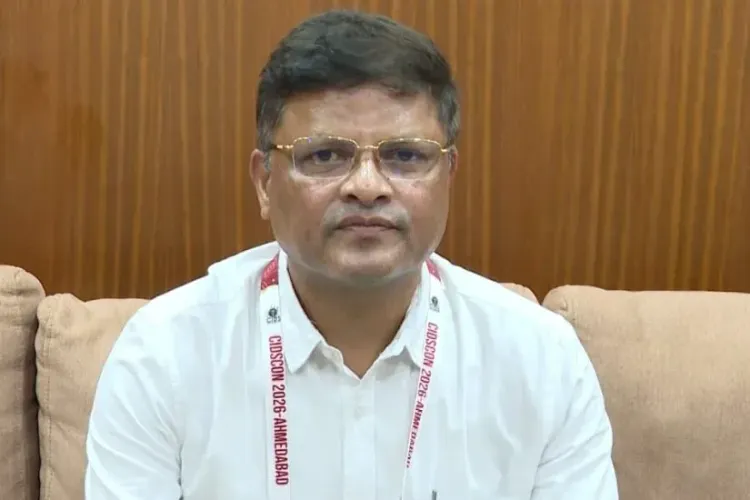
Dr M. R. Shivaprakash, mycology expert and faculty member at the workshops, said the pattern of ringworm — clinically known as dermatophytosis — has changed dramatically over the past decade. Where ordinary topical ointments once resolved the infection, it has now become resistant to standard treatments, capable of spreading across the body and even reaching the scalp even after prolonged therapy.
He noted that the infection is no longer confined to rural areas or economically weaker sections of society. 'It was no longer restricted to rural areas or economically weaker sections, with cases increasingly seen among urban populations and people who maintain high standards of hygiene,' Dr Shivaprakash said. The infection is also spreading from animals to humans and from person to person — a transmission pattern similar to scabies.
The Antifungal Resistance Challenge
Dr Shivaprakash stressed that while antibiotic resistance receives widespread attention, antifungal resistance is an equally serious and under-recognised threat. Treating serious fungal infections — including brain infections — is already complex, and resistance is compounding that difficulty.
'A basic understanding of which antifungal medicines are effective in serious conditions, such as brain infections, is essential,' he said. He urged young doctors to ensure accurate diagnosis using appropriate methods and to develop a thorough understanding of the toxicity and pharmacokinetics of antifungal medicines. He also called for antifungal stewardship programmes to be kept separate from antibacterial stewardship programmes to better control the spread of resistance.
CIDSCON-2026: Conference Focus and Scale
CIDSCON-2026 is being held in Gandhinagar from 20 to 23 August, with the main conference running from 21 to 23 August. The official theme is 'Addressing AMR: From Awareness to Action'. More than 950 delegates — including infectious disease specialists, clinicians, researchers, microbiologists, and healthcare professionals — are expected to participate.
Dr Harsh Toshniwal, CIDSCON co-organising chairman and Professor and Head of Department at Shree Swaminarayan Institute of Medical Sciences and Research, Kalol, said the conference is particularly relevant given its focus on fever and different types of infections. 'Young doctors are advised to avoid unnecessary antibiotics, use them judiciously, and give priority to accurate diagnosis. Antibiotics should be avoided in cases such as viral or seasonal fever, so that their effectiveness could be preserved for future generations,' he said.
Workshop Sessions and Training Areas
Thursday's workshops at Mahatma Mandir covered five structured areas. 'ID 360: Mastering the Basics' addressed fundamentals of infectious diseases, case history-taking, and basic examination. 'Microbiology 360: Diagnostics, Stewardship and Infection Control' covered laboratory diagnosis and hospital infection-control practices. 'The Zero Defence Challenge: ID in the Immunocompromised' focused on patients with weakened immunity, including those with diabetes, kidney failure, and organ transplants.
Two additional sessions examined AI and technology in infectious disease practice, and infection prevention in surgical settings. Microbiologist Dr Anjali Shetty, who travelled from Mumbai for the event, described the sessions as highly informative and said they attracted a large number of doctors. Dr Chintan Jadav, a workshop participant, said such sessions provided valuable guidance to postgraduate doctors navigating day-to-day clinical challenges.
What Doctors and Patients Should Watch
The broader CIDSCON programme will cover antimicrobial resistance, tropical infections, tuberculosis, HIV, fungal infections, virology, and infections among immunocompromised patients. The conference signals a growing consensus among Indian infectious disease specialists that antifungal resistance must be elevated to the same priority level as antibiotic resistance — and that ringworm, long dismissed as a minor ailment, now demands the same clinical rigour as systemic infections.
Point of View
Dermatophytosis was treated as a hygiene problem, which meant the policy response was public health messaging rather than drug stewardship. That framing is now dangerously outdated. The call to separate antifungal stewardship from antibacterial programmes is overdue and clinically sound, but it will require regulatory will and hospital-level infrastructure that most Indian facilities do not yet have. If resistance to first-line antifungals consolidates, the fallback options are more toxic, more expensive, and far less accessible to the patients who need them most.
NationPress
5 Oct 2026
Frequently Asked Questions
Why is ringworm becoming harder to treat in India?
Ringworm (dermatophytosis) has developed resistance to standard antifungal ointments that were effective a decade ago, according to mycology expert Dr M. R. Shivaprakash. The infection can now persist and spread across the body and scalp even after prolonged treatment.
Are urban and hygienic people at risk of ringworm?
Yes. Experts at CIDSCON-2026 workshops in Gandhinagar confirmed that ringworm is no longer confined to rural areas or lower-income groups. Cases are increasingly being reported among urban populations who maintain high standards of hygiene.
How does ringworm spread?
According to Dr Shivaprakash, ringworm spreads from animals to humans and from person to person, in a transmission pattern similar to scabies. This cross-species and human-to-human spread is contributing to its wider reach across urban and rural communities alike.
What is CIDSCON-2026 and where is it being held?
CIDSCON-2026 is the 16th annual conference of the Clinical Infectious Diseases Society, held in Gandhinagar from 20 to 23 August 2026. Its theme is 'Addressing AMR: From Awareness to Action', and it is expected to draw over 950 delegates including infectious disease specialists, microbiologists, and clinicians.
What is antifungal stewardship and why does it matter?
Antifungal stewardship refers to coordinated programmes that promote the appropriate use of antifungal medicines to slow the development of resistance. Experts at CIDSCON-2026 called for these programmes to be kept separate from antibacterial stewardship, arguing that the two resistance challenges require distinct clinical and regulatory responses.