Haryana CM Saini cycles to Sukhna Lake in fuel-saving drive
Synopsis
Haryana Chief Minister Nayab Singh Saini cycled to Sukhna Lake in Chandigarh as a visible response to PM Modi's fuel conservation call — but the symbolism is backed by real policy: halved convoy vehicles, virtual-meeting mandates, and a personal pledge to go vehicle-free one day a week.
Key Takeaways
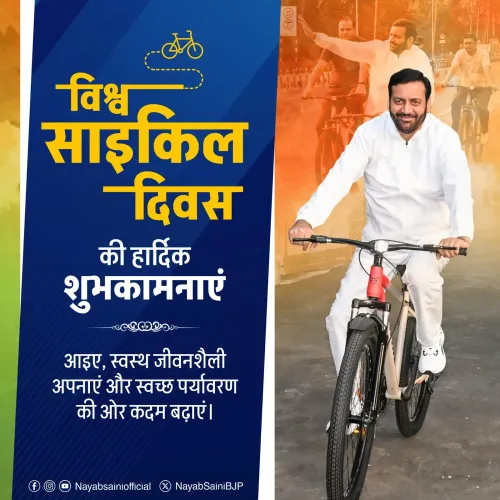
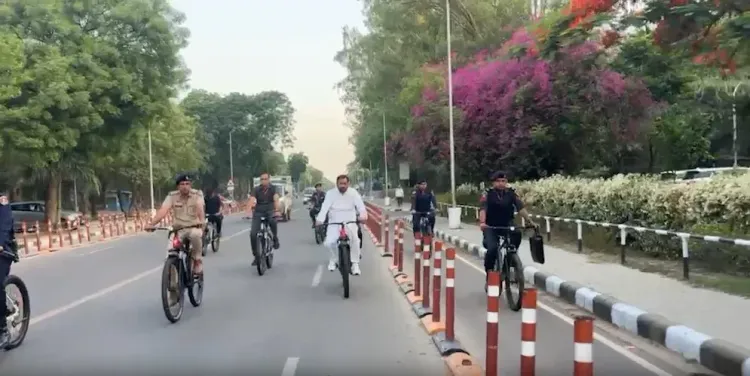
Haryana CM Nayab Singh Saini cycled to Sukhna Lake , Chandigarh on 19 May as part of a fuel-saving drive.
The initiative responds to PM Modi 's nationwide appeal to conserve fuel amid the global energy crisis.
CM Saini has reduced his official convoy by half , retaining only security-essential vehicles.
The state has issued SOPs mandating virtual meetings and work-from-home arrangements to cut fossil fuel use.
CM Saini has pledged to work one day a week without using any vehicle and urged officers and ministers to do the same.
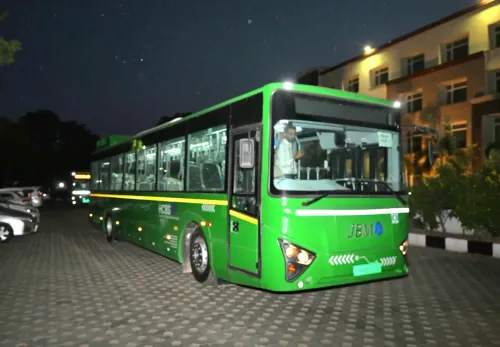
Citizens were urged to maximise use of public transport to support the campaign.
Haryana Chief Minister Nayab Singh Saini on Tuesday, 19 May cycled to the rain-fed Sukhna Lake in Chandigarh for his morning walk, responding to Prime Minister Narendra Modi's nationwide appeal to conserve fuel amid the global energy crisis. The gesture is part of a broader state-level campaign to reduce fossil fuel consumption across government operations.
The Message Behind the Ride
During his lakeside walk, CM Saini interacted with fellow walkers and promoted the dual message of 'Healthy India, Healthy Haryana', according to a government spokesperson. He appealed to the public to support PM Modi's fuel conservation call and urged the Opposition to set aside differences and join hands for a 'Developed India'.
SOPs and Policy Shifts in Haryana
The Haryana government has issued standard operating procedures (SOPs) tailored to its administrative requirements to curb fossil fuel use. Among the measures adopted are virtual meetings and work-from-home arrangements for government staff. All ministers and departmental officers have been directed to limit vehicle use during official travel.
Leading by Example: Convoy Cuts and Vehicle-Free Days
Last week, CM Saini reduced the number of vehicles in his official convoy by half, retaining only those deemed essential for security. He has also committed to working one day a week without using any vehicle, and has asked public representatives and officers to follow suit. The Chief Minister urged citizens to maximise use of public transport as part of the fuel-saving campaign.
The Broader Context
The initiative comes amid sustained pressure on governments at all levels to respond to rising global energy costs and environmental concerns. Notably, this is among the more visible state-level responses to PM Modi's appeal, combining symbolic action — a Chief Minister cycling through Chandigarh — with administrative directives. CM Saini emphasised that energy conservation is the responsibility of every citizen and that collective small efforts can yield significant gains in both fuel saving and environmental protection.
Point of View
Combining convoy cuts with administrative SOPs, is a step beyond the usual photo-op. The real question is enforcement: whether virtual-meeting mandates and vehicle-reduction directives translate into audited fuel savings or quietly fade after the news cycle. India's states have a long history of headline-grabbing conservation pledges that lack follow-through mechanisms. If Haryana publishes verifiable data on government fuel expenditure before and after these measures, it would set a meaningful precedent.
NationPress
25 Sept 2026
Frequently Asked Questions
Why did Haryana CM Nayab Singh Saini cycle to Sukhna Lake?
CM Saini cycled to Sukhna Lake in Chandigarh on 19 May to publicly support PM Modi's appeal for fuel conservation amid the global energy crisis. The act was intended to deliver a message of both fuel saving and healthy living under the 'Healthy India, Healthy Haryana' campaign.
What steps has the Haryana government taken to save fuel?
Haryana has issued standard operating procedures (SOPs) to reduce fossil fuel use, including mandates for virtual meetings and work-from-home arrangements. CM Saini has also halved his official convoy and pledged to go vehicle-free one day each week.
Has CM Saini asked other officials to follow suit?
Yes. CM Saini has directed all ministers and departmental officers to limit vehicle use during travel and has asked public representatives to set an example by adopting fuel-saving practices themselves.
What is PM Modi's fuel conservation appeal about?
PM Modi has called on citizens and governments across India to conserve fuel in response to the global energy crisis. Several state governments, including Haryana, have responded with administrative directives and public awareness campaigns.
How does this fit into Haryana's broader environmental goals?
The fuel-saving drive is framed as part of a wider effort to protect the environment and promote balanced use of resources. CM Saini has linked energy conservation to both environmental protection and the vision of a 'Developed India'.