CM Saini Sets ₹2,900/Quintal Bajra Price, Tightens Miller Rules
Synopsis
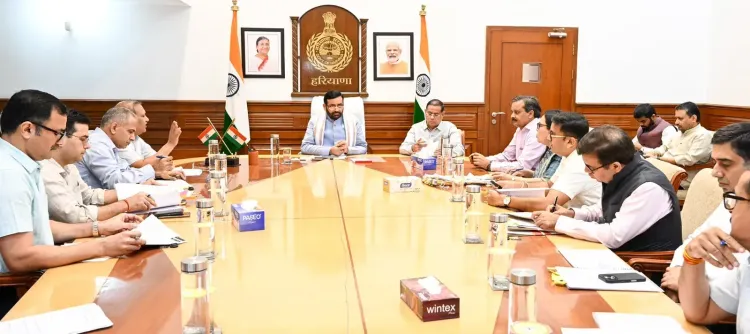
Haryana CM Nayab Singh Saini chairs a kharif procurement review on 25 September 2026, fixing bajra at ₹2,900/quintal under the Bhavantar Bharpai Yojana, ordering fast rice miller registrations, and barring blacklisted millers to protect local farmers.
Key Takeaways
Bajra floor price fixed at ₹2,900 per quintal under the Bhavantar Bharpai Yojana for the current kharif procurement season.
Rice miller registrations for paddy procurement directed to be completed at the earliest to avoid delays at peak arrival.
Millers with a record of past procurement irregularities will be strictly excluded from fresh registration.
Officials ordered to impose effective controls on inter-state bajra inflows to safeguard local Haryana growers.
The Bhavantar Bharpai Yojana , launched in 2018, bridges the gap between market price and support price directly into farmer accounts.
CM Saini chaired the review meeting on 25 September 2026 , ahead of the main kharif arrival season.
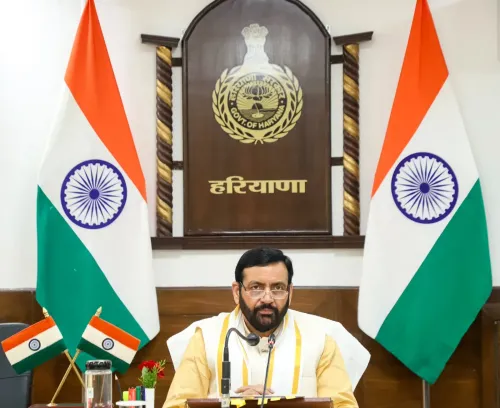
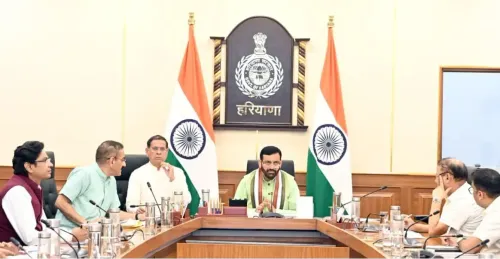
Before the kharif harvest reaches Haryana's mandis, Chief Minister Nayab Singh Saini has moved to lock in prices and close the loopholes — chairing a high-level procurement review meeting on Friday, 25 September 2026 that set a floor price for bajra at ₹2,900 per quintal under the state's flagship farmer-protection scheme and ordered a fast-tracked registration drive for rice millers ahead of the paddy arrival season.
₹2,900 Per Quintal and the Bhavantar Bharpai Yojana Shield
The centrepiece of the meeting was a firm directive to ensure bajra procurement at ₹2,900 per quintal under the Bhavantar Bharpai Yojana — the state scheme launched in 2018 that compensates farmers directly when market prices fall below the notified support rate. The mechanism acts as a financial safety net: if a farmer sells in the open market at a lower price, the state plugs the gap. Saini's instruction effectively guarantees that no Haryana bajra grower walks away shortchanged in this procurement cycle.
Rice Miller Registrations and the Blacklist Barrier
On the paddy side, the CM directed officials to complete rice miller registrations without delay so that the procurement machinery is ready before peak arrivals. The directive came with a sharp rider: millers who were found involved in past irregularities — identified through earlier audits — will be strictly barred from fresh registration. Haryana has tightened these norms periodically during kharif seasons, but the explicit re-emphasis signals zero tolerance for a repeat of procurement fraud that has drawn scrutiny in previous years.
Curbing Out-of-State Bajra to Protect Local Growers
A third strand of the meeting addressed a recurring pressure point: bajra flowing in from outside Haryana and competing with — or displacing — the local crop in procurement queues. Saini ordered effective controls on inter-state bajra movement, a measure designed to ensure that the price guarantee and procurement benefits reach the state's own farmers first. This kind of inter-state movement restriction recurs in the state's procurement playbook during high-arrival periods and directly addresses distress-sale risk for local cultivators.
Saini framed the entire exercise in plain terms: 'hamari prathamikta hai ki Haryana ke kisanon ko fasal bechne mein kisi bhi prakar ki pareshani na ho' ('our priority is that Haryana's farmers face no difficulty whatsoever in selling their crop') — and that fair value reaches them on time. With the procurement window opening imminently, the real test is execution speed on miller registrations and mandi readiness across the state's grain belt.
Point of View
900 per quintal directive under the Bhavantar Bharpai Yojana is particularly significant: it activates a compensation guarantee before distress sales begin, not after. The simultaneous crackdown on blacklisted millers and inter-state grain inflows suggests the government is attempting systemic course-correction ahead of an electorally sensitive harvest season, reinforcing the BJP's rural outreach narrative in a state where agrarian voter sentiment has historically swung outcomes.
NationPress
25 Sept 2026
Frequently Asked Questions
What is the bajra price fixed by Haryana for 2026 kharif procurement?
Haryana CM Nayab Singh Saini has fixed bajra procurement at ₹2,900 per quintal under the Bhavantar Bharpai Yojana for the current kharif season, as announced in a review meeting on 25 September 2026.
What is the Bhavantar Bharpai Yojana?
The Bhavantar Bharpai Yojana is a Haryana government scheme launched in 2018 that compensates farmers directly when open-market prices fall below the notified support price, ensuring they receive the minimum assured rate for their crops.
Why is Haryana blocking rice millers from registering for paddy procurement?
The Haryana government has directed that millers found involved in past procurement irregularities — identified through earlier audits — will be strictly barred from registering for the current paddy procurement season to prevent fraud.
Why is Haryana controlling bajra coming from outside the state?
Out-of-state bajra arriving at Haryana mandis can displace local farmers in procurement queues and undercut price guarantees. CM Saini has ordered effective controls on inter-state bajra movement to ensure benefits reach Haryana's own growers first.
When does Haryana's kharif procurement season begin in 2026?
While an exact start date was not specified in the announcement, the 25 September 2026 review meeting and directives on miller registration indicate that kharif procurement operations are imminent as the harvest arrival season approaches.