Harish Salve: Kejriwal's letter to HC judge amounts to 'terrorising' an institution

Synopsis
Harish Salve's blunt verdict: Kejriwal's letter to a sitting Delhi HC judge isn't civil disobedience — it's an attempt to terrorise a constitutional institution. With a former Uttarakhand HC judge calling it contempt of court, the AAP chief's Satyagraha framing is colliding head-on with the rule of law.
Key Takeaways
Senior advocate Harish Salve said Arvind Kejriwal 's letter to Justice Swarana Kanta Sharma amounts to "terrorising" a judicial institution.
Salve accused Kejriwal of attempting to act as "prosecution, judge and jury" simultaneously.
Kejriwal wrote to the judge after she rejected his recusal plea, declaring he would boycott proceedings in the Delhi Excise Policy case.
Former Uttarakhand High Court judge Justice Lokpal Singh called the letter a case of contempt of court .
Legal experts note Kejriwal had the right to appeal the recusal rejection — a route he did not take.
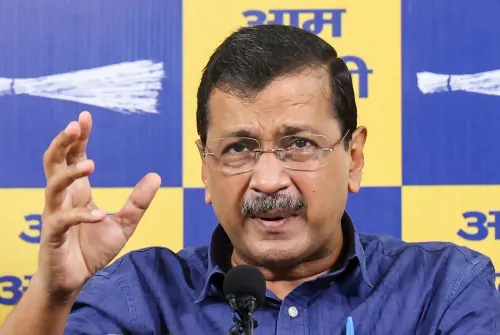
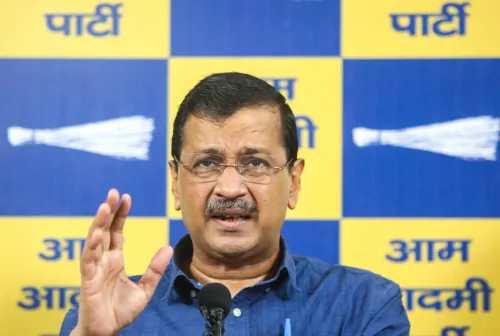
Senior advocate and former Solicitor General of India Harish Salve on Tuesday said that Aam Aadmi Party (AAP) national convenor Arvind Kejriwal's letter to Delhi High Court judge Justice Swarana Kanta Sharma amounts to terrorising a constitutional institution and attempting to act as "prosecution, judge and jury" simultaneously. The remarks come amid a sharp legal and political controversy over Kejriwal's decision to boycott proceedings before Justice Sharma in the Delhi Excise Policy case.
What Harish Salve Said
Speaking to IANS, Salve said he has observed a troubling pattern over the past decade. "Since 2014, I have seen an increasing trend among certain sections of political society that they are the prosecution, judge and jury. What they say is right. And if you disagree with them, if the institutions disagree with them, then the institutions are corrupt," he said.
Salve warned that this approach effectively replaces a rule-based order with a person-based order. "If the institutions decide in their favour, then they are great; otherwise, they are corrupt, dishonest and intellectually and morally," he added.
On the specific act of writing to the judge, Salve was unequivocal. "If a judge passes a wrong order, you have a further right to appeal. This kind of thing, saying that I will not have faith in you, sends the message that you are trying to attack the institution. Trying to terrorise," he said. He further characterised the letter as an implicit threat: "It's like saying that if you dare hear the case against me, I will dig into your background and find out who your son is, who your daughters are, and I will do this to you, I will do that to you."
Background: Kejriwal's Letter and the Recusal Plea
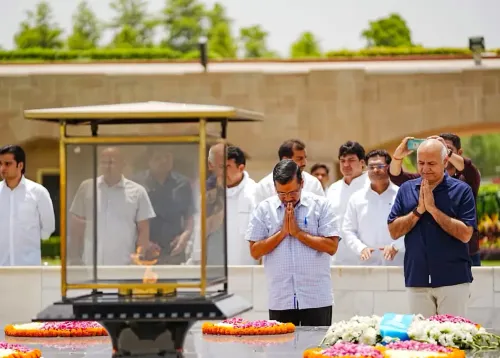
The controversy stems from a letter Kejriwal wrote to Justice Swarana Kanta Sharma, in which he stated he had lost hope of receiving justice from her court and would follow Mahatma Gandhi's path of "Satyagraha". He declared he would neither appear before her personally nor be represented by legal counsel in proceedings related to the Delhi Excise Policy case.
The letter came days after Justice Sharma rejected Kejriwal's plea seeking her recusal from the case — a decision he had the right to challenge through a formal appeal but chose not to pursue through that route.
Former Judge Calls It Contempt of Court
Justice Lokpal Singh, a former judge of the Uttarakhand High Court, also reacted strongly to the letter, telling IANS it should be treated as contempt of court. "Once a decision had come against him, where Justice Sharma refused to recuse herself from the case, he had the right to challenge that order. But nowhere in the rules of procedure is there any provision to write such a letter to a judge," Justice Lokpal Singh said.
His remarks underscore a broader legal consensus that the appropriate remedy for a perceived judicial bias is an appeal — not a direct communication to the presiding judge that signals a boycott of proceedings.
Why This Matters
The episode raises significant questions about the boundaries of political protest within the judicial process. Notably, this is not the first time an Indian politician's conduct before a court has triggered debate about institutional respect — but the directness of the letter, and its public framing as an act of civil disobedience, has drawn unusually sharp responses from both sitting and retired members of the legal fraternity.
With the Delhi Excise Policy case still ongoing, how the court responds to Kejriwal's declared boycott — and whether contempt proceedings are initiated — will be closely watched in the days ahead.
Point of View
He is borrowing the moral vocabulary of Gandhi while bypassing the procedural remedies the law explicitly provides — namely, an appeal. The real danger is not this one letter but the precedent it sets: that institutional legitimacy is conditional on favourable outcomes. If that logic takes hold across the political spectrum, every adverse court order becomes a referendum on judicial integrity, and the courts' authority erodes not through legislation but through attrition of public trust.
NationPress
21 Oct 2026
Frequently Asked Questions
What did Harish Salve say about Kejriwal's letter to the Delhi HC judge?
Harish Salve said Kejriwal's letter to Justice Swarana Kanta Sharma amounts to terrorising or attacking a judicial institution. He also accused Kejriwal of trying to act as 'prosecution, judge and jury' simultaneously, warning that such conduct replaces a rule-based order with a person-based one.
Why did Kejriwal write to Justice Swarana Kanta Sharma?
Kejriwal wrote to Justice Sharma after she rejected his plea seeking her recusal from the Delhi Excise Policy case. In the letter, he said he had lost hope of receiving justice and declared he would follow Mahatma Gandhi's path of Satyagraha, refusing to appear before her or be represented by counsel.
Is Kejriwal's letter to the judge considered contempt of court?
Former Uttarakhand High Court judge Justice Lokpal Singh told IANS the letter should be treated as contempt of court. He noted that while Kejriwal had the right to appeal the recusal rejection, there is no provision in rules of procedure for writing such a letter directly to a judge.
What is the Delhi Excise Policy case?
The Delhi Excise Policy case involves allegations of irregularities in the liquor policy formulated during the AAP government's tenure in Delhi. Arvind Kejriwal is among those facing legal proceedings in connection with the case, which is being heard before Justice Swarana Kanta Sharma at the Delhi High Court.
What options did Kejriwal have after the recusal plea was rejected?
After Justice Sharma rejected his recusal plea, Kejriwal had the legal right to challenge that order through a formal appeal in a higher court. Legal experts, including Harish Salve and Justice Lokpal Singh, have pointed out that writing directly to the judge is not a recognised procedural remedy.