CSD 80th BOCCS meet: MoS Defence Sanjay Seth reviews canteen services in Ranchi
Synopsis
At the 80th BOCCS meeting in Ranchi, MoS Defence Sanjay Seth signalled a multi-front overhaul of the Canteen Services Department — from depot modernisation at Ramgarh to EV subsidies and a push to stock products from tribal and cooperative bodies. The moves reframe CSD not just as a defence welfare channel, but as a vehicle for indigenous manufacturing policy.
Key Takeaways
MoS Defence Sanjay Seth chaired the 80th BOCCS meeting in Ranchi on 14 July .
Discussions covered enhanced budgetary support , depot modernisation , and EV two-wheeler subsidies for defence beneficiaries.
Products from TRIFED, KVIC, NAFED , and National Cooperative Organics Limited are being inducted into CSD supply chains in phases.
CSD Depot Ramgarh is one of five pilot depots identified for modernisation into a model warehousing and logistics facility.
The Ramgarh model is intended as a blueprint for nationwide CSD depot upgradation .
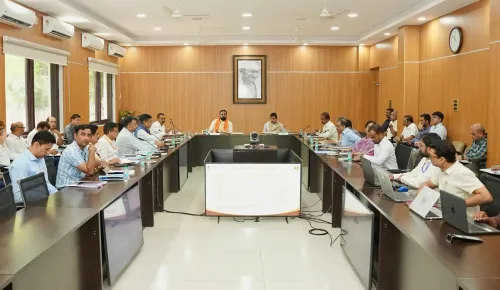
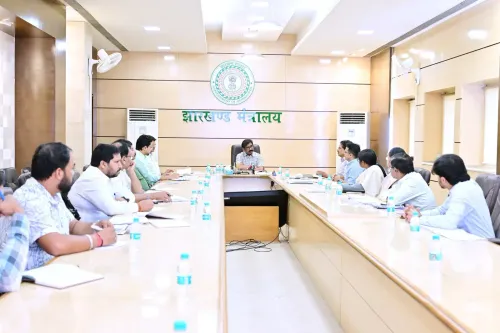
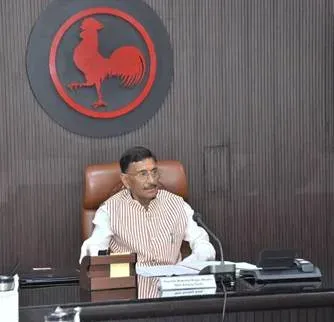
Minister of State for Defence Sanjay Seth on Tuesday, 14 July chaired the 80th meeting of the Board of Control Canteen Services (BOCCS) in Ranchi, conducting a comprehensive review of the Canteen Services Department (CSD) — the primary retail and supply network serving India's defence community. The meeting addressed operational reforms, depot modernisation, and expanded product portfolios for serving personnel, ex-servicemen, and their dependents.
Key Agenda at the 80th BOCCS Meeting
The board deliberated on a range of administrative and operational priorities. Discussions covered enhanced budgetary support for CSD, the modernisation of depots, and the extension of Central and State Government subsidies on electric two-wheelers purchased through the CSD network. Human resource matters and the induction of products from cooperative institutions into the supply chain were also on the agenda.
Senior officials from the Ministry of Defence, the three Defence Services, and CSD leadership attended the session.
Indigenous Products and Cooperative Institutions
Seth highlighted that the CSD is progressively inducting products from organisations including the Tribal Cooperative Marketing Development Federation of India Limited (TRIFED), the Khadi and Village Industries Commission (KVIC), the National Agricultural Cooperative Marketing Federation of India Limited (NAFED), and the National Cooperative Organics Limited into its product portfolio on a phased basis.
According to Seth, this move is designed to expand market access for artisans, tribal communities, farmers, and cooperative bodies, while reinforcing indigenous manufacturing and inclusive economic growth. The initiative aligns with Prime Minister Narendra Modi's stated frameworks of 'Aatmanirbhar Bharat', 'Sehkar se Samriddhi', and 'Vocal for Local'.
Depot Modernisation: Ramgarh as Pilot Model
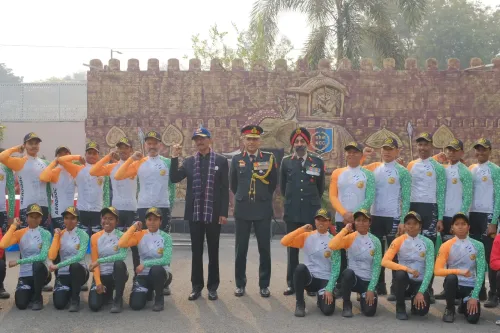
As part of his Ranchi visit, Seth also inspected CSD Depot Ramgarh, one of five pilot depots earmarked for modernisation. He reviewed the existing warehousing infrastructure and assessed ongoing efforts to upgrade the facility into a contemporary logistics hub capable of meeting the CSD's expanding operational requirements.
Officials indicated that the Ramgarh model is intended to serve as a blueprint for phased upgradation of CSD depots nationwide — a significant logistical undertaking given that the CSD operates one of the largest retail supply chains in the country, serving millions of defence beneficiaries.
Broader Reform Context
Seth described the CSD's ongoing transformation as the outcome of continuous reforms and a beneficiary-centric approach aimed at meeting the evolving needs of the defence community. This comes amid a wider push by the Ministry of Defence to modernise support infrastructure alongside frontline capability upgrades.
Notably, the electric two-wheeler subsidy discussion reflects a growing policy emphasis on green mobility within government procurement channels. How quickly these subsidies are operationalised through CSD depots will be a practical test of the reform momentum signalled at the BOCCS meeting.
Point of View
But the real question is whether defence beneficiaries will find these products competitively priced against commercial alternatives. The electric two-wheeler subsidy discussion is overdue; defence personnel in semi-urban cantonments are natural early adopters, yet the policy has lagged civilian EV incentives. Depot modernisation at Ramgarh is a necessary first step, but five pilot depots across a network of this scale is a modest beginning — the pace of rollout will determine whether this is structural reform or optics.
NationPress
13 Oct 2026
Frequently Asked Questions
What was discussed at the 80th BOCCS meeting in Ranchi?
The 80th Board of Control Canteen Services meeting, chaired by MoS Defence Sanjay Seth on 14 July in Ranchi, discussed enhanced budgetary support for CSD, depot modernisation, EV two-wheeler subsidies, cooperative product induction, and human resource matters. It focused on improving services for serving personnel, ex-servicemen, and their dependents.
What is CSD Depot Ramgarh and why is it significant?
CSD Depot Ramgarh is one of five pilot depots selected for modernisation into a contemporary warehousing and logistics facility. It is intended to serve as a model for the phased upgradation of CSD depots across India.
Which cooperative organisations are being added to the CSD supply chain?
Products from TRIFED, KVIC, NAFED, and National Cooperative Organics Limited are being inducted into the CSD product portfolio in a phased manner. The move aims to expand market access for artisans, tribal communities, and farmers.
What is the electric two-wheeler subsidy being discussed for CSD?
The BOCCS meeting discussed extending Central and State Government subsidies on electric two-wheelers purchased through CSD outlets. This would make EV incentives available to defence personnel and ex-servicemen via the CSD network, though operational timelines were not specified.
Who attended the 80th BOCCS meeting?
Senior officials from the Ministry of Defence, the three Defence Services, and CSD leadership attended the 80th BOCCS meeting held in Ranchi on 14 July, presided over by MoS Defence Sanjay Seth.