CM Majhi Hails Cabinet Nod to SARTHAK-PDS Phase-2
Synopsis
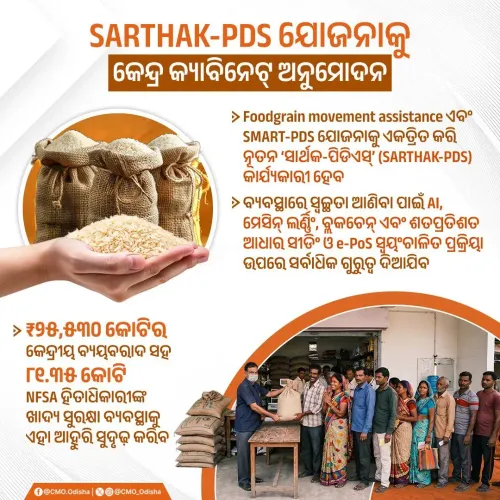
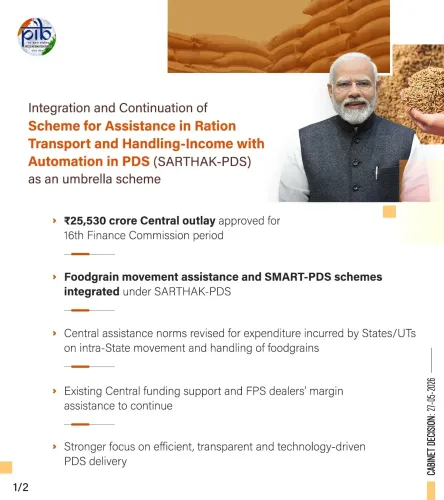
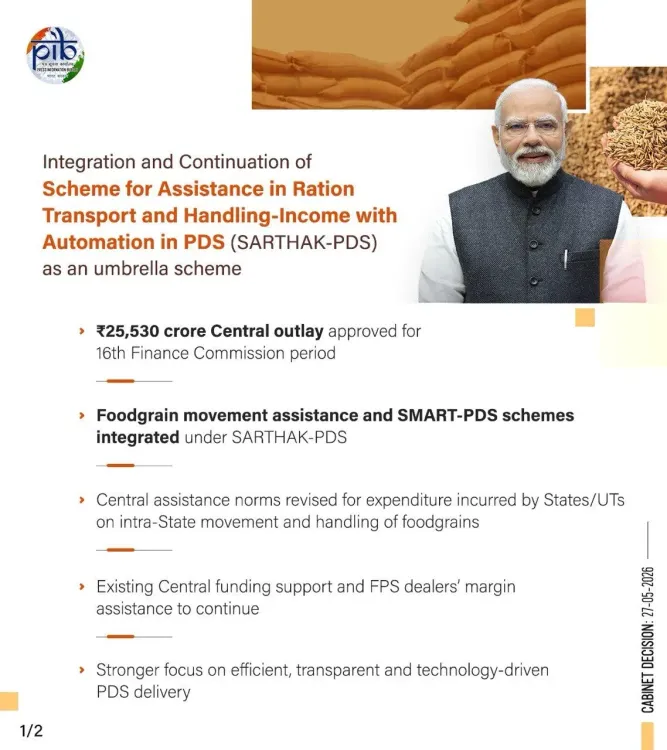
Odisha Chief Minister Mohan Charan Majhi has welcomed the Union Cabinet's approval of SARTHAK-PDS Phase-2, a central initiative to modernise food grain distribution using AI, blockchain and machine learning. Majhi credited PM Modi and said the move would strengthen food security and 'Garib Kalyan' for crores of Indians.
Key Takeaways
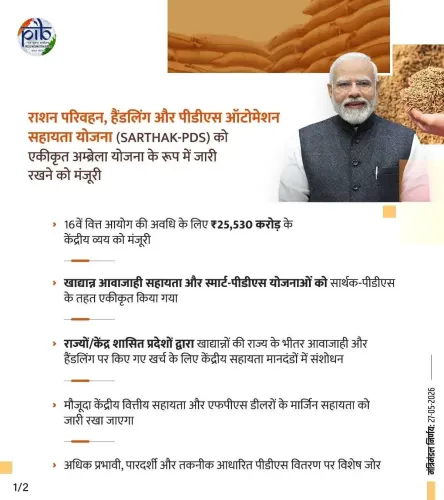
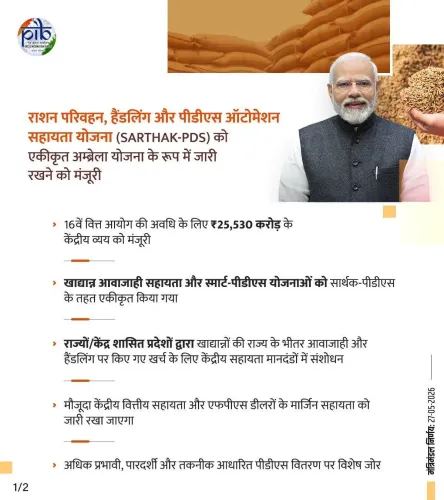
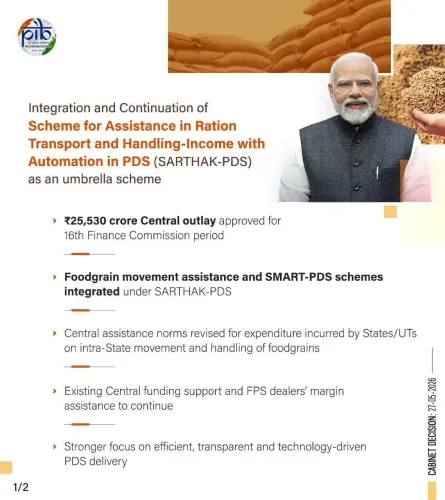
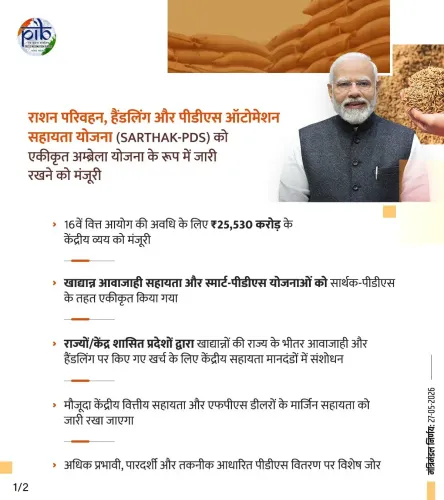
The Union Cabinet , chaired by PM Narendra Modi , approved SARTHAK-PDS Phase-2 to modernise India's Public Distribution System.
Odisha CM Mohan Charan Majhi called the decision 'historic and epoch-making' and conveyed Odisha's gratitude to the Prime Minister.
The new phase integrates Artificial Intelligence , blockchain , and machine learning with the existing SMART-PDS and e-PoS infrastructure.
The upgrade aims to realise the Antyodaya vision by ensuring subsidised food grains reach the last beneficiary with dignity and without leakage.
The reform builds on a policy lineage stretching from the National Food Security Act (2013) through Aadhaar-linked digitisation and One Nation One Ration Card (2021) .
State-level implementation timelines, hardware budgets, and integration with Odisha's existing PDS software will be key watchpoints going forward.
Odisha Chief Minister Mohan Charan Majhi on Wednesday, 27 May 2026 welcomed the Union Cabinet's approval of SARTHAK-PDS Phase-2, calling it a historic and transformative step toward strengthening food security and socio-economic welfare for crores of citizens across India.
Context
Posting in Odia, CM Majhi described the cabinet decision — taken under the chairmanship of Prime Minister Narendra Modi — as 'ଏକ ଐତିହାସିକ ତଥା ଯୁଗାନ୍ତକାରୀ ପଦକ୍ଷେପ' ('a historic and epoch-making step'). He said the decision would reinforce the socio-economic security of 'crores of citizens' and give new strength to 'ଗରିବ କଲ୍ୟାଣ' ('welfare of the poor') and the food security architecture. On behalf of the people of Odisha, he conveyed sincere gratitude to the Prime Minister.
The approval builds on the existing SMART-PDS framework, which has been the central government's primary vehicle for technology-driven reforms in food grain distribution since it was introduced to curb leakages and improve transparency at fair price shops.
Policy Backdrop
India's Public Distribution System draws its legal mandate from the National Food Security Act of 2013, which entitles priority and Antyodaya households to subsidised food grains. Since then, successive reforms — including Aadhaar-linked digitisation from 2015 and the One Nation One Ration Card portability rolled out nationally in 2021 — have steadily shifted the system from paper-based ration cards toward biometric and data-driven delivery.
SARTHAK-PDS Phase-2 is positioned as the next step in this arc, integrating Artificial Intelligence, blockchain, and machine learning to make the distribution chain fully transparent and citizen-centric. The integration of SMART-PDS and automated e-PoS (Electronic Point of Sale) processes is expected to ensure that entitlements reach the last beneficiary — the vision embedded in the Antyodaya philosophy of serving those at the very bottom of the social ladder.
Stakeholders and Impact
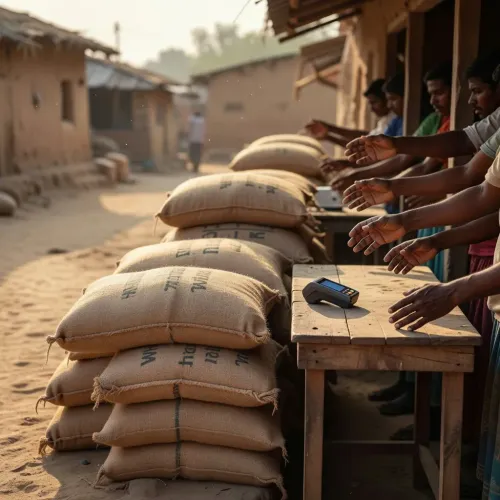
The primary beneficiaries are NFSA-covered households, including the most vulnerable Antyodaya Anna Yojana families who receive food grains at the most heavily subsidised rates. Fair price shop dealers, who currently operate e-PoS terminals for biometric authentication, will see their workflows further automated under the new phase.
Odisha, with a large rural and tribal population dependent on the PDS, stands to gain significantly from enhanced central funding and technology standards. State food and civil supplies departments will bear the responsibility of local implementation, hardware deployment, staff training, and grievance redressal — areas that have historically determined whether central PDS reforms translate into ground-level impact.
What's Next
Attention will now shift to state-level rollout timelines and the budget allocations required for hardware upgrades and workforce training. Seamless integration with Odisha's existing PDS software infrastructure will be a key operational test. Questions around beneficiary coverage, potential exclusion errors, and accountability mechanisms are likely to feature in both parliamentary proceedings and the Odisha state assembly. The phased nature of the upgrade suggests that implementation will unfold over multiple quarters, with early pilots likely in districts where SMART-PDS adoption is already advanced.
Point of View
Particularly useful in Odisha where the party is still consolidating its hold after ending the Naveen Patnaik era. The real test, as with every PDS modernisation wave, will be whether the AI and blockchain layer reduces exclusion errors or inadvertently creates new ones for the most marginalised households. Analysts will watch state-level implementation fidelity closely before assessing whether Phase-2 marks a genuine leap or incremental rebranding.
NationPress
11 Oct 2026
Frequently Asked Questions
What is SARTHAK-PDS Phase-2?
SARTHAK-PDS Phase-2 is a central government initiative to modernise India's Public Distribution System using Artificial Intelligence, blockchain, and machine learning, building on the existing SMART-PDS framework to make food grain delivery more transparent and citizen-centric.
Why did Odisha CM Mohan Majhi welcome the SARTHAK-PDS approval?
CM Mohan Charan Majhi welcomed the Union Cabinet's approval of SARTHAK-PDS Phase-2 because it is expected to strengthen food security and socio-economic welfare for crores of citizens, including Odisha's large rural and tribal population dependent on the PDS.
What is the difference between SMART-PDS and SARTHAK-PDS?
SMART-PDS is the existing central scheme for technology-driven PDS reforms, while SARTHAK-PDS Phase-2 is the next-generation upgrade that integrates AI, blockchain, and machine learning with SMART-PDS and automated e-PoS systems for deeper transparency and automation.
What is Antyodaya and how does SARTHAK-PDS relate to it?
Antyodaya refers to the philosophy and programme of serving the poorest households, specifically through the Antyodaya Anna Yojana which provides heavily subsidised food grains. SARTHAK-PDS Phase-2 aims to realise this vision by ensuring entitlements reach the last beneficiary through automated and biometric-linked delivery.
How will SARTHAK-PDS Phase-2 affect fair price shops?
Fair price shops, which already use e-PoS terminals for biometric authentication, will see further automation of their transaction processes under SARTHAK-PDS Phase-2, reducing manual intervention and the scope for diversion of food grains.