CM Fadnavis Announces SARTHAK PDS Reform at Maharashtra Cabinet
Synopsis
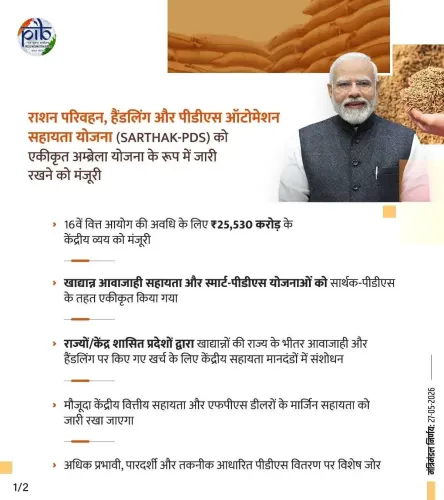
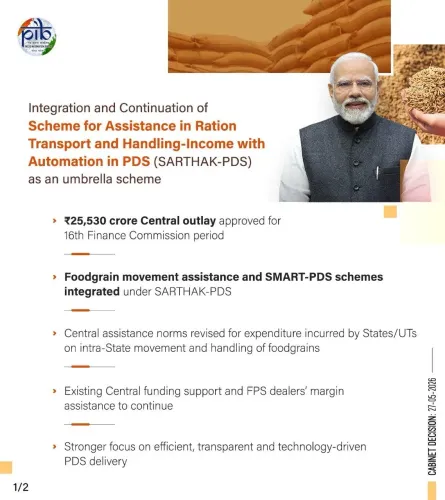
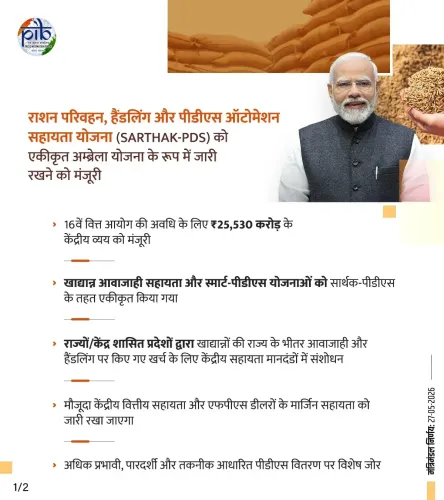
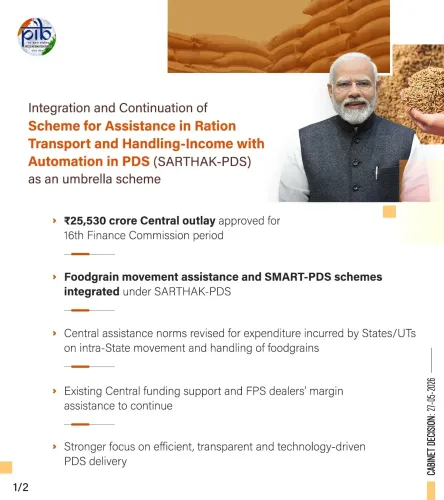
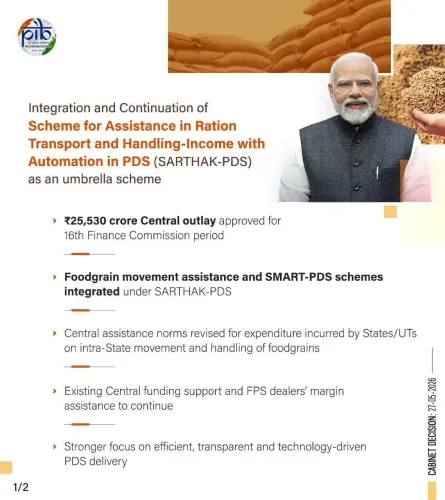
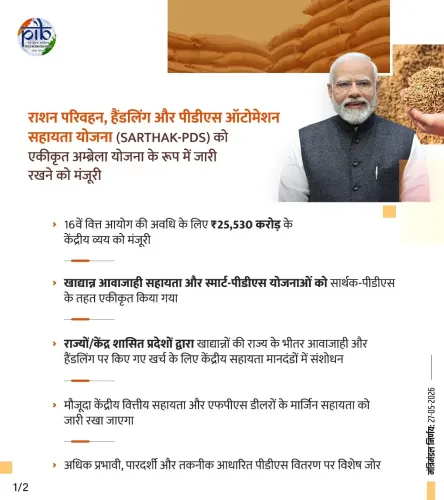
Maharashtra Chief Minister Devendra Fadnavis on 27 May 2026 announced cabinet decisions under the SARTHAK PDS initiative, signalling a renewed push to modernise the state's subsidised foodgrain distribution system and improve delivery to eligible households.
Key Takeaways
Maharashtra CM Devendra Fadnavis announced the SARTHAK PDS initiative through a cabinet decision on 27 May 2026 .
The initiative targets reform of Maharashtra's Public Distribution System , which serves crores of ration card holders across the state.
Maharashtra has previously digitised PDS through Aadhaar-seeded ration cards and computerised supply-chain tracking between 2014 and 2018.
The reform aligns with central programmes including One Nation One Ration Card , enabling portability of food entitlements for migrant workers.
Key details — including budget allocation, software components, and rollout timelines — are expected to be published via official state channels.
Both ration card holders and fair price shop dealers stand to be directly affected by the new framework.
Maharashtra Chief Minister Devendra Fadnavis on Wednesday, 27 May 2026, shared details of cabinet decisions focused on the state's Public Distribution System, highlighting a reform initiative tagged #SARTHAKPDS through an official post on X. The announcement signals a fresh push to restructure how subsidised foodgrains reach eligible households across Maharashtra.
Context
The post, shared from the Chief Minister's verified handle @Dev_Fadnavis, was accompanied by a video and was tagged under #CabinetDecisions and #SARTHAKPDS, indicating the initiative was formally cleared at a cabinet meeting. The name 'SARTHAK' — meaning 'meaningful' or 'purposeful' in Hindi — suggests a rebranded or restructured approach to PDS delivery in the state.
Maharashtra's cabinet routinely takes up PDS-related decisions covering beneficiary identification, supply-chain oversight, and grievance redressal. This announcement follows that pattern while signalling a named reform package, which typically accompanies a broader operational overhaul.
Policy Backdrop
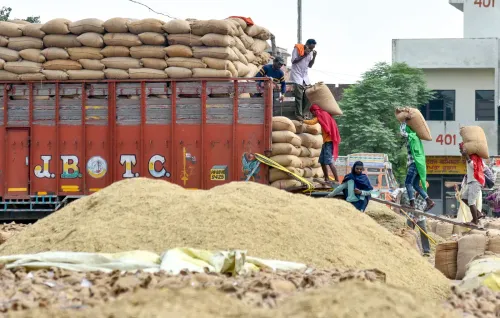
India's food security architecture is anchored in the National Food Security Act, 2013, which legally entitles a large share of the population to subsidised foodgrains through fair price shops. Maharashtra has progressively digitised its PDS infrastructure, seeding ration cards with Aadhaar and deploying computerised supply-chain tracking in phases between 2014 and 2018 to reduce leakages and ghost beneficiaries.
The state's efforts align with central programmes such as the One Nation One Ration Card scheme, which allows migrant workers and beneficiaries to access their entitlements from any fair price shop in the country. Technology-led reforms at the state level have increasingly focused on real-time tracking of grain movement and digital grievance mechanisms.
Stakeholders and Impact
The primary beneficiaries of any PDS reform in Maharashtra are the state's ration card holders — a population running into several crore households — who depend on the system for subsidised rice, wheat, and other essentials. Fair price shop dealers, who form the last-mile distribution network, are also directly affected by changes to supply-chain protocols, commission structures, or digital compliance requirements.
Reforms that improve beneficiary identification and reduce diversion have historically translated into better grain availability at the shop level and reduced instances of duplicate or ineligible entries in the beneficiary database. The video attached to the post is expected to carry the specific contours of the SARTHAK PDS initiative as communicated by the Chief Minister.
What's Next
Key details to watch include the specific components of the SARTHAK PDS framework — whether it introduces a new software portal, revised eligibility norms, updated grievance redressal timelines, or fresh budget allocations. The cabinet's formal resolution and any accompanying government resolution are expected to be published through official state channels.
Maharashtra's experience with PDS modernisation will be closely observed by other states managing large beneficiary databases, particularly as the central government continues to push for greater convergence between state PDS operations and national food security infrastructure.
Point of View
Where governments package administrative improvements as flagship programmes to signal intent and accountability. For Fadnavis, a cabinet-cleared announcement with video communication underscores a deliberate effort to associate his government with welfare delivery efficiency — a politically salient issue ahead of any electoral cycle. The move also positions Maharashtra as a proactive state actor within the broader national food security architecture, potentially strengthening its case for additional central support. Whether SARTHAK delivers measurable improvements in grain diversion rates and beneficiary satisfaction will determine its long-term political and policy value.
NationPress
11 Oct 2026
Frequently Asked Questions
What is SARTHAK PDS in Maharashtra?
SARTHAK PDS is a Public Distribution System reform initiative announced by Maharashtra CM Devendra Fadnavis at a cabinet meeting on 27 May 2026. The specific components — including any new portal, revised eligibility norms, or budget allocations — are expected to be detailed in the official government resolution.
What did the Maharashtra cabinet decide on 27 May 2026 regarding PDS?
The Maharashtra cabinet, headed by CM Devendra Fadnavis, cleared decisions related to the SARTHAK PDS initiative on 27 May 2026, aimed at restructuring subsidised foodgrain delivery in the state. Full details are to be published through official state channels.
Who benefits from the SARTHAK PDS scheme in Maharashtra?
The primary beneficiaries are Maharashtra's ration card holders — crores of households entitled to subsidised foodgrains — along with fair price shop dealers who form the last-mile distribution network.
How has Maharashtra reformed its PDS in the past?
Maharashtra implemented Aadhaar-seeded ration cards and computerised supply-chain tracking between 2014 and 2018 to reduce leakages and ghost beneficiaries. The state also participates in the One Nation One Ration Card scheme for portability of food entitlements.
What is the One Nation One Ration Card scheme?
One Nation One Ration Card is a central government programme that allows eligible beneficiaries to access their PDS entitlements from any fair price shop across India, particularly benefiting migrant workers who move between states.