Zubeen Garg politicisation hurt public sentiment, says Assam CM Sarma
Synopsis
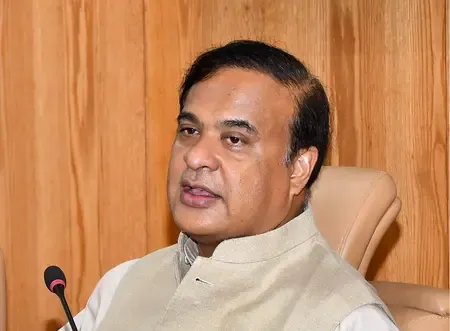
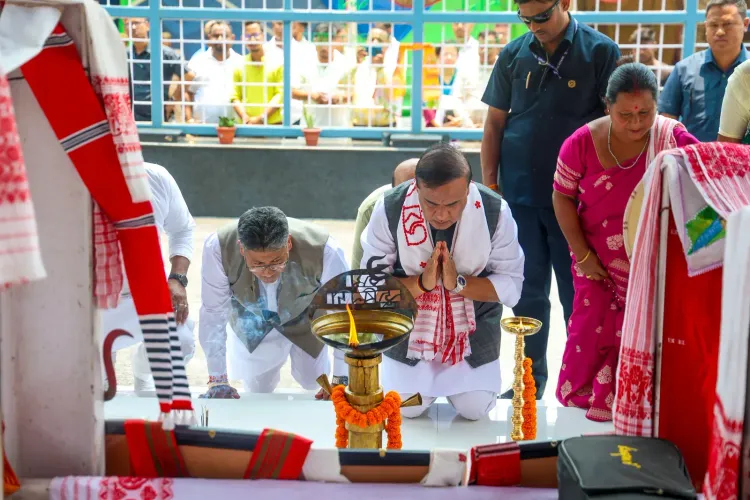
Assam CM Himanta Biswa Sarma used a visit to 'Zubeen Khetra' — the Guwahati memorial of legendary singer Zubeen Garg — to accuse opposition parties, particularly the Congress, of exploiting the artist's image during elections. His remarks signal an effort to reclaim the cultural narrative around Garg, even as the BJP's own political positioning around the singer's legacy comes under scrutiny.
Key Takeaways
Assam CM Himanta Biswa Sarma visited Zubeen Khetra , the memorial site in Guwahati , on Wednesday .
Sarma said politicisation of Zubeen Garg's legacy had hurt public sentiment across Assam.
He alleged that the Indian National Congress used the singer's photographs at polling booths and party offices during elections.
Sarma claimed individuals who later sought association with Garg had criticised him during his lifetime.
The BJP , he asserted, took a deliberate stand against using the singer's name for electoral purposes.
The Chief Minister said public focus is now shifting toward preserving Garg's music and cultural contributions.
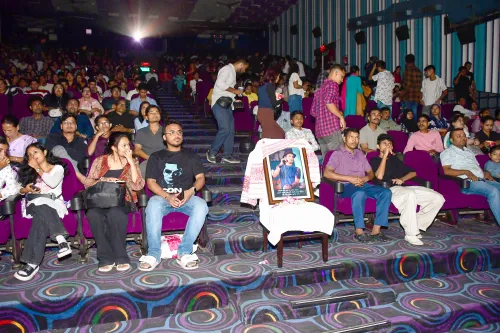
Assam Chief Minister Himanta Biswa Sarma on Wednesday stated that attempts to politicise the legacy of iconic Assamese singer Zubeen Garg had wounded public sentiment, asserting that people across the state wanted the celebrated artist to remain above partisan affiliations. Sarma made the remarks at 'Zubeen Khetra', the memorial site on the outskirts of Guwahati where the singer's last rites were performed.
CM Sarma's Visit to Zubeen Khetra
The Chief Minister said he had personally visited the memorial site multiple times during the process of selecting the location and organising the singer's final journey. Sarma noted that the site was chosen after considerable deliberation. 'This place was chosen after a lot of thought, and I came here many times during that period. We were here to make arrangements for Zubeen Garg's last rites and final journey. But later, some politically associated people created so much politics around it that at one point it became uncomfortable to come here,' he said.
When Politics Overshadowed the Artist
According to Sarma, public discourse around the memorial gradually shifted away from the singer's life and artistic contributions toward political debates. 'At one stage, politics began to dominate discussions more than Zubeen Garg himself,' the Chief Minister said. He added that he had anticipated this, believing that once elections concluded, political noise would subside and Garg's true identity — his artistry, character, and cultural contributions — would naturally come to the fore again.
Allegations Against Opposition
Sarma alleged that several individuals who later sought to associate themselves with the singer had, in fact, been critical of him during his lifetime. 'Those who came here and did politics had often criticised Zubeen Garg when he was alive. Their friendship was for a different purpose. But for us, Zubeen Garg was always very special; he remains so today, and he will remain so in the future,' he said. The Chief Minister specifically referred to the use of the singer's photographs at polling booths and party offices by the Indian National Congress (INC), arguing that people did not appreciate attempts to politically appropriate an artist.
BJP's Stated Stand and Public Response
Sarma claimed that the alleged politicisation of Garg's image during the elections had ultimately backfired on opposition parties. He maintained that the Bharatiya Janata Party (BJP) had taken a deliberate decision to stay away from using the singer's name for electoral gain. 'People want artists to remain non-political. BJP took a clear stand that we would not do politics in Zubeen Garg's name, and time has proved that it was the correct decision,' he added. He noted that public conversation is now shifting toward preserving the singer's memories, music, and cultural legacy.
Preserving Garg's Cultural Legacy
The Chief Minister expressed satisfaction that the focus at Zubeen Khetra is increasingly turning toward how best to honour the singer's memory and safeguard his contributions to Assamese music and culture. The site, he suggested, should serve as a space for cultural remembrance rather than political contestation. How the memorial develops in the coming months will likely reflect whether that aspiration holds.
Point of View
Regardless of stated intent, can resist leveraging cultural icons when electoral stakes are high. Assam's post-election landscape will test whether 'Zubeen Khetra' becomes a site of genuine cultural preservation or a recurring prop in the state's political theatre.
NationPress
20 Sept 2026
Frequently Asked Questions
What did Assam CM Himanta Biswa Sarma say about Zubeen Garg?
Sarma said that attempts to politicise the legacy of iconic Assamese singer Zubeen Garg had hurt public sentiment, and that people wanted the artist to remain above political affiliations. He made these remarks at 'Zubeen Khetra', the memorial site in Guwahati where the singer's last rites were performed.
What is Zubeen Khetra?
Zubeen Khetra is the memorial site on the outskirts of Guwahati where the last rites of celebrated Assamese singer Zubeen Garg were performed. CM Sarma said the site was chosen after considerable deliberation and that he visited it multiple times during the arrangements.
Which party did Sarma accuse of politicising Zubeen Garg?
Sarma specifically accused the Indian National Congress of using Zubeen Garg's photographs at polling booths and party offices during elections, arguing that such attempts to politically appropriate an artist were not appreciated by the public.
What stand did the BJP claim to have taken regarding Zubeen Garg?
According to Sarma, the BJP took a clear stand that it would not use Zubeen Garg's name for political purposes. He claimed this decision was vindicated by public reaction and that the opposition's politicisation of the singer had backfired.
Why does the politicisation of Zubeen Garg matter in Assam?
Zubeen Garg was one of Assam's most celebrated cultural figures, and his passing made him a symbol of Assamese identity. Any perceived attempt to exploit his legacy for electoral gain carries significant emotional weight in the state, making it a sensitive and politically charged issue.