CM Sawant Launches ERP Systems for Goa Labour Welfare Boards

Synopsis
Goa Chief Minister Pramod Sawant launched ERP systems for the Goa Labour Welfare Board and the Building and Other Construction Workers Welfare Board on 25 September 2026, digitising registration, claim processing and fund management for the state's industrial and construction workers.
Key Takeaways
Goa CM Pramod Sawant launched ERP systems for two labour welfare boards on 25 September 2026 .
The Goa Labour Welfare Board covers industrial workers; the Building and Other Construction Workers Welfare Board administers cess-funded benefits for construction labour.
The construction workers' board draws its mandate from the central Building and Other Construction Workers Act, 1996 .
ERP platforms are designed to centralise registration, contribution tracking, claim filing and fund management, reducing leakages and processing delays.
Goa's move is part of a broader national trend of state labour departments digitising welfare delivery for faster, more transparent benefit transfers.
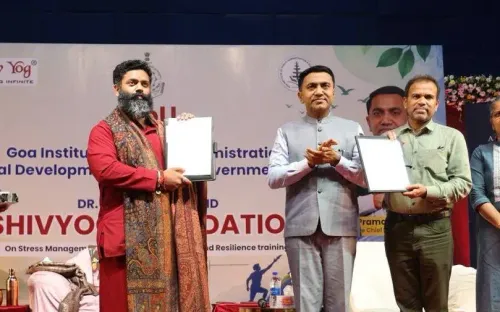
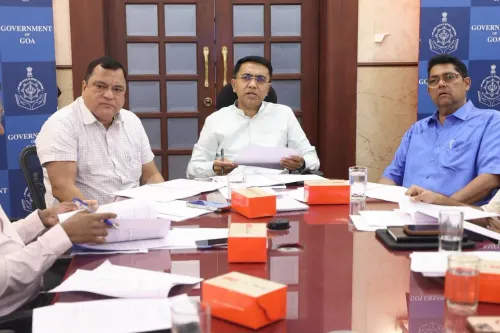
Goa's registered construction workers and industrial labourers moved a step closer to faster, more transparent welfare delivery on Friday, 25 September 2026, as Goa Chief Minister Pramod Sawant formally launched Enterprise Resource Planning (ERP) systems for both the Goa Labour Welfare Board and the Goa Building and Other Construction Workers Welfare Board — digitising the backbone of how the state tracks, manages, and disburses benefits to its labour force.
What these two boards actually do
The Goa Labour Welfare Board implements statutory welfare schemes — from medical aid to financial assistance — for industrial workers registered in the state. Its counterpart, the Goa Building and Other Construction Workers Welfare Board, draws its mandate from the central Building and Other Construction Workers (Regulation of Employment and Conditions of Service) Act, 1996, which required every state to constitute such a board and collect a cess from construction projects to fund worker benefits including education support, medical assistance, and pensions.
Together, the two boards cover some of Goa's most economically vulnerable workers — the daily-wage construction hand on a resort project, the factory floor worker in an industrial estate — people whose access to welfare often depends on how quickly a claim gets processed and whether paperwork slips through the cracks.
Why ERP, and why now
Indian states have been steadily digitising labour welfare delivery since the mid-2010s, driven by a central push for e-governance that aims to cut leakages, speed up fund transfers, and give administrators real-time visibility over registration numbers and claim backlogs. Goa's ERP launch follows similar portal rollouts by several other state labour departments, but it is notable for covering both an older statutory board and the construction-workers' cess fund under a single digitisation drive.
An ERP platform of this kind typically centralises worker registration, contribution tracking, claim filing, and fund management into one system — replacing fragmented ledgers and manual processes that have historically slowed benefit delivery. Real-time data also makes it harder for ghost beneficiaries to persist in rolls, a problem that has undermined welfare schemes across states.
What to watch after the launch
The announcement was livestreamed, signalling an intent to make the rollout visible and accountable. The metrics that will determine whether the systems deliver on their promise are straightforward: how quickly claim processing times drop, whether beneficiary coverage expands as registration friction falls, and how smoothly the new platforms integrate with central labour ministry portals. Those numbers, once available, will be the real verdict on today's launch.
For now, the signal is clear — Goa is betting that better plumbing means better outcomes for the workers who build its hotels and staff its factories.
Point of View
Allowing CM Sawant to point to a concrete digital-delivery milestone for two politically significant constituencies — construction workers and industrial labour. More broadly, it reflects the Centre's long-running push to plug welfare leakages through technology rather than structural reform. The real test is whether digitisation actually expands beneficiary reach or merely automates existing exclusions; that answer will only emerge in the rollout data over the next several months.
NationPress
25 Sept 2026
Frequently Asked Questions
What is the Goa Labour Welfare Board ERP system?
It is a digital Enterprise Resource Planning platform launched on 25 September 2026 to manage worker registration, welfare scheme administration and claim processing for workers covered under the Goa Labour Welfare Board, replacing manual record-keeping with a centralised system.
Who are the beneficiaries of the Goa Building and Other Construction Workers Welfare Board?
Registered construction workers in Goa — including daily-wage labourers on building and infrastructure projects — are the primary beneficiaries, entitled to medical aid, education support and pension benefits funded through a cess collected from construction projects under the central 1996 Act.
What law governs the Goa Building and Other Construction Workers Welfare Board?
The board operates under the Building and Other Construction Workers (Regulation of Employment and Conditions of Service) Act, 1996, a central legislation that mandated all states to constitute welfare boards and collect a cess to fund construction worker benefits.
Why is Goa digitising its labour welfare boards?
Digitisation through ERP systems is aimed at reducing leakages, speeding up benefit disbursals, enabling real-time tracking of registrations and claims, and aligning with the central government's broader e-governance push that has seen several state labour departments launch similar portals since the mid-2010s.
What should we watch after the ERP launch in Goa?
Key indicators include changes in claim processing times, growth in registered beneficiaries as digital registration lowers friction, and integration of the new platforms with central labour ministry portals — all of which will determine the real-world impact of the launch.