SC closes NCERT 'corruption in judiciary' proceedings after chapter revised
Synopsis
The Supreme Court has shut the book — literally — on one of its most unusual interventions: a suo motu case over a school textbook. After ordering a nationwide ban, issuing contempt notices, and extracting a public apology from NCERT, the court closed proceedings once revised textbooks reached classrooms. The episode raises lasting questions about who guards the gatekeepers of India’s school curriculum.
Key Takeaways
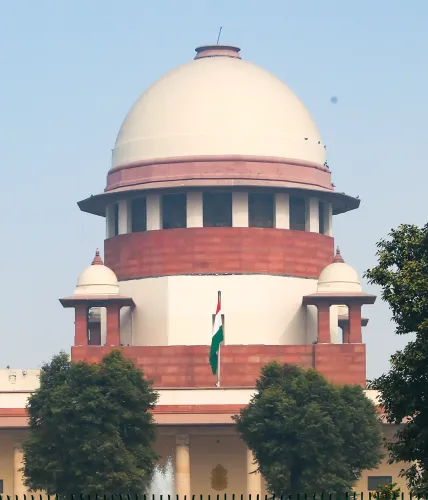
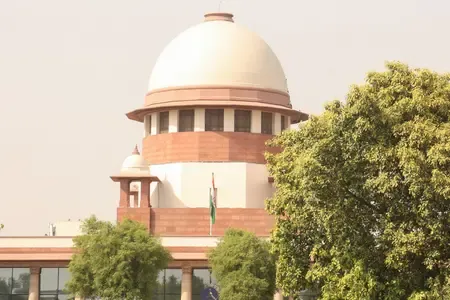
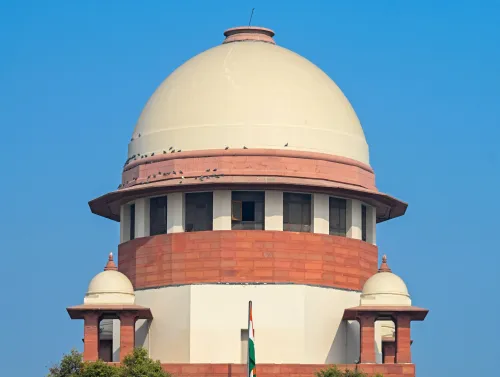
The Supreme Court on 1 September closed suo motu proceedings over the NCERT Class 8 textbook chapter referencing ‘corruption in the judiciary’.
A bench of CJI Surya Kant , Justice Joymalya Bagchi , and Justice V.
Mohana passed the closure order after Solicitor General Tushar Mehta confirmed revised textbooks were in circulation.
The court had on 26 February ordered an immediate nationwide withdrawal and complete publication ban on the original textbook.
NCERT tendered an ‘unconditional and unqualified’ public apology and withdrew the full book during the proceedings.
Show-cause notices to the Ministry of Education Secretary and NCERT Director Dr Dinesh Prasad Saklani were part of the proceedings, which are now closed.
The apex court earlier recalled a direction barring three academics involved in drafting the chapter from central and state university projects.
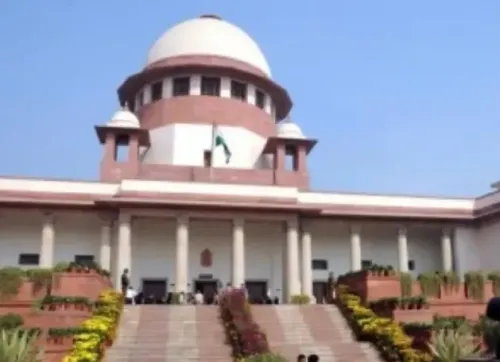
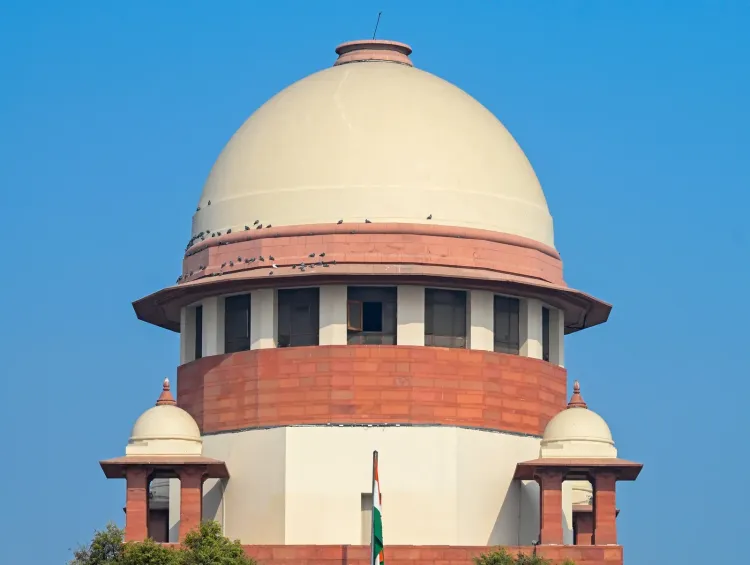
The Supreme Court of India on Tuesday, 1 September closed its suo motu proceedings over references to ‘corruption in the judiciary’ in an NCERT Class 8 Social Science textbook, after being informed that the disputed chapter had been replaced and revised textbooks were already in circulation across the country. The bench, led by Chief Justice of India (CJI) Surya Kant alongside Justices Joymalya Bagchi and V. Mohana, passed the closure order following a submission by Solicitor General Tushar Mehta.
What Triggered the Case
The controversy centred on Chapter IV, titled ‘The Role of Judiciary in Our Society’, in NCERT’s textbook ‘Exploring Society: India and Beyond’. A section within the chapter contained explicit references to ‘corruption in the judiciary’, drawing sharp objections from the apex court after concerns were raised over its contents.
The Supreme Court had taken suo motu cognisance of the matter and on 26 February ordered the textbook’s immediate nationwide withdrawal, imposing a complete ban on its publication, reprinting, and digital dissemination. The CJI-led bench had observed that the references prima facie reflected a ‘discernible underlying agenda to undermine the institutional authority and demean the dignity of the judiciary.’
Key Developments During the Proceedings
The apex court had also cautioned that exposing young students to a ‘biased narrative’ at a formative stage risked eroding the sanctity of the judicial institution in public perception. However, it simultaneously clarified that its intervention was not aimed at suppressing legitimate criticism, noting that ‘dissent, deliberation, and rigorous discourse’ were essential to a functioning democracy.
Show-cause notices were issued to the Secretary, Department of School Education and Literacy, Ministry of Education, and NCERT Director Professor (Dr) Dinesh Prasad Saklani, seeking explanations on why contempt or penal action should not be initiated against those responsible for the chapter. The court also directed the NCERT Director to furnish details of the National Syllabus and Teaching Learning Material Committee members who approved it, the textbook development team, and minutes of relevant meetings.
During the pendency of proceedings, NCERT tendered an ‘unconditional and unqualified’ public apology and confirmed the entire book had been withdrawn, reiterating its commitment to accuracy, sensitivity, and responsibility in educational content.
Expert Panel Review and Resolution
The Centre subsequently constituted an expert panel to review the chapter and recommend revisions. With the revised chapter now replacing the earlier version and updated textbooks in active circulation, the Supreme Court formally closed all suo motu proceedings and consequential actions in the matter.
Notably, the apex court had earlier also recalled its direction restricting three academics involved in drafting the chapter from participating in academic projects of central or state universities and public educational institutions.
What This Means Going Forward
The closure of proceedings signals that the institutional dispute between the judiciary and the country’s apex school curriculum body has been resolved procedurally, though questions around editorial oversight of NCERT content are likely to persist in academic and policy circles. The episode marks one of the rare instances where the Supreme Court exercised suo motu powers over school textbook content, setting a precedent for judicial scrutiny of educational material.
Point of View
While procedurally tidy, leaves several questions unanswered. Who within NCERT’s approval chain signed off on content the court found prima facie agenda-driven, and have any institutional safeguards changed? The public apology and revision satisfy the court’s immediate demands, but the underlying editorial process that allowed the chapter to reach classrooms in the first place remains largely unexamined. That gap matters: if curriculum content can trigger contempt notices, the line between judicial oversight and editorial independence in public education becomes uncomfortably thin.
NationPress
1 Sept 2026
Frequently Asked Questions
Why did the Supreme Court close the NCERT ‘corruption in judiciary’ case?
The Supreme Court closed its suo motu proceedings on 1 September after Solicitor General Tushar Mehta informed the bench that the controversial chapter had been revised by an expert panel constituted by the Centre and that updated textbooks were already in circulation. With the disputed content replaced, the court found no further grounds to continue the proceedings.
What was the controversial chapter in the NCERT textbook?
The chapter in question was Chapter IV, titled ‘The Role of Judiciary in Our Society’, in the NCERT Class 8 Social Science textbook ‘Exploring Society: India and Beyond’. It contained a section with explicit references to ‘corruption in the judiciary’, which the Supreme Court found prima facie reflected an agenda to undermine the dignity and institutional authority of the judiciary.
What action did the Supreme Court take earlier in this case?
On 26 February, the Supreme Court ordered the immediate nationwide withdrawal of the textbook and imposed a complete ban on its publication, reprinting, and digital dissemination. It also issued show-cause notices to the Ministry of Education Secretary and NCERT Director Dr Dinesh Prasad Saklani, and directed the NCERT to furnish details of those who approved the chapter.
What did NCERT do in response to the Supreme Court’s intervention?
NCERT tendered an ‘unconditional and unqualified’ public apology, confirmed the full withdrawal of the book, and assured the court that the material would be revised. The Centre subsequently formed an expert panel to review the chapter and suggest revisions, which have now been incorporated into the new textbooks.
Were any academics penalised over the NCERT textbook controversy?
The Supreme Court had earlier issued a direction restricting three academics involved in drafting the chapter from participating in academic projects of central or state universities and public educational institutions. However, the court subsequently recalled that direction during the pendency of the proceedings.