SC Collegium recommends 12 judges as permanent in Gauhati, Kerala, AP, Uttarakhand HCs
Synopsis
The Supreme Court Collegium under CJI Surya Kant cleared 12 judges for permanent elevation across Gauhati, Uttarakhand, Kerala, and Andhra Pradesh high courts in a single sitting on 23 September 2026 — a notable batch move that signals intent to stabilise judicial strength ahead of the winter session and chip away at India's chronic court vacancy crisis.
Key Takeaways
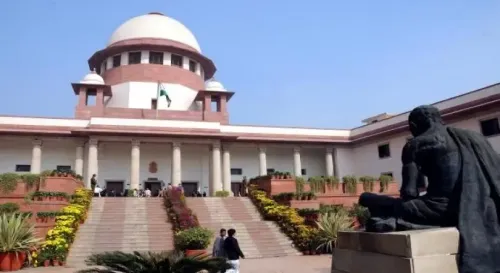
The Supreme Court Collegium , led by CJI Surya Kant , approved 12 additional judges as permanent judges on 23 September 2026 .
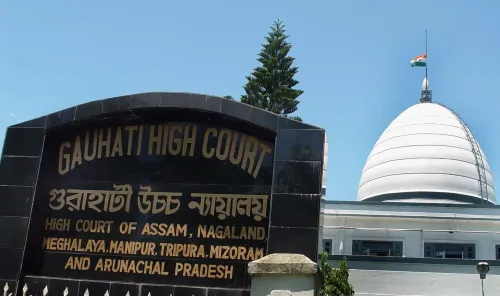
Justice Kaushik Goswami was confirmed for the Gauhati High Court ; Justice Subhash Upadhyay for the Uttarakhand High Court .
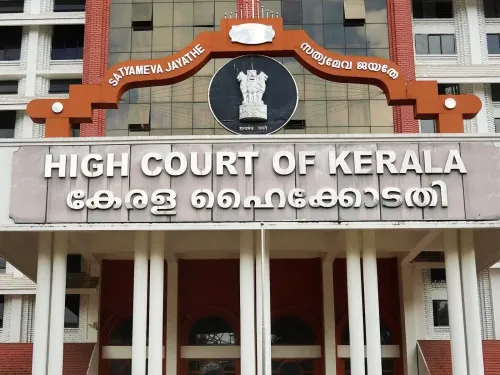
Five judges were elevated to permanent positions in the Kerala High Court , including Justices P.
Jayakumar, Muralee Krishna S., Jobin Sebastian, and P.V.
Five judges were confirmed for the Andhra Pradesh High Court , including Dr Justice Yadavalli Lakshmana Rao and Justice Challa Gunaranjan.
Appointments under Article 217(1) are made by the President of India after the Collegium's recommendation is processed by the Union Law Ministry .
The Supreme Court Collegium, headed by Chief Justice of India (CJI) Surya Kant, on 23 September 2026 approved the elevation of 12 additional judges as permanent judges across four high courts — Gauhati, Uttarakhand, Kerala, and Andhra Pradesh. The decisions were formally communicated through separate statements issued on Thursday, 24 September 2026.
Key Appointments Approved
For the Gauhati High Court, the Collegium cleared the appointment of Justice Kaushik Goswami as a permanent judge. In Uttarakhand, Justice Subhash Upadhyay received approval for permanent elevation to the Uttarakhand High Court.
Five additional judges were confirmed for permanent positions on the Kerala High Court: Justice P. Krishna Kumar, Justice K.V. Jayakumar, Justice Muralee Krishna S., Justice Jobin Sebastian, and Justice P.V. Balakrishnan.
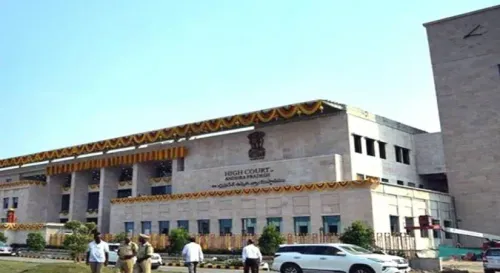
The Andhra Pradesh High Court received the largest single batch, with five judges approved for permanence: Justice Maheswara Rao Kuncheam @ Kuncham, Justice Thoota Chandra Dhana Sekar @ T.C.D. Sekhar, Justice Challa Gunaranjan, Justice Avadhanam Hari Haranadha Sarma, and Dr Justice Yadavalli Lakshmana Rao.
The Constitutional Framework
Under Article 217(1) of the Constitution, the Chief Justice and judges of high courts are appointed by the President of India. Additional judges, initially appointed under Article 224(1), may be elevated to permanent positions following a rigorous review process conducted by the Collegium.
Before the Collegium recommends permanence, the Chief Justice of the concerned high court must submit detailed performance statistics for each judge — including month-wise case disposal data, judgments delivered, the number of reported judgments in law journals, total working days, actual court attendance, and days of absence. This data must be certified by the judges themselves.
Why These Appointments Matter
India's high courts have long grappled with significant judicial vacancies, which directly contribute to case pendency. Converting additional judges to permanent status provides institutional stability — permanent judges have security of tenure that additional judges do not, enabling them to take on more complex or politically sensitive matters without concern over contract renewal. This comes amid sustained pressure on the judiciary to address a backlog running into crores of cases across high courts and district courts nationwide.
Notably, the Collegium meeting on 23 September 2026 addressed all four high courts in a single sitting, signalling a continued push by CJI Surya Kant to clear the appointment pipeline ahead of the winter court session.
What Happens Next
Following the Collegium's approval, the recommendations will be transmitted to the Union Law Ministry, which processes them for the President's formal assent. The appointments typically take effect upon the President's warrant being issued and the judges taking the oath of office. No timeline for formal notification has been disclosed as yet.
Point of View
Which is foundational to judicial independence. What deserves scrutiny is the timeline between Collegium recommendation and Presidential assent — historically, that gap has stretched for months, diluting the practical impact of even the most proactive Collegium. The appointments across four geographically diverse high courts also suggest the Collegium is trying to address regional imbalances in bench strength, but without full vacancy data being public, it is difficult to assess whether these twelve appointments meaningfully close the gap.
NationPress
24 Sept 2026
Frequently Asked Questions
What did the Supreme Court Collegium decide on 23 September 2026?
The Supreme Court Collegium, headed by CJI Surya Kant, approved the elevation of 12 additional judges as permanent judges across four high courts — Gauhati, Uttarakhand, Kerala, and Andhra Pradesh. The formal statements were issued on 24 September 2026.
Which judges were made permanent in the Kerala High Court?
The Collegium approved five Kerala High Court judges for permanent elevation: Justice P. Krishna Kumar, Justice K.V. Jayakumar, Justice Muralee Krishna S., Justice Jobin Sebastian, and Justice P.V. Balakrishnan.
Who are the five judges elevated in the Andhra Pradesh High Court?
The five Andhra Pradesh High Court judges approved for permanent elevation are Justice Maheswara Rao Kuncheam @ Kuncham, Justice Thoota Chandra Dhana Sekar @ T.C.D. Sekhar, Justice Challa Gunaranjan, Justice Avadhanam Hari Haranadha Sarma, and Dr Justice Yadavalli Lakshmana Rao.
What is the difference between an additional judge and a permanent judge?
Additional judges are appointed under Article 224(1) of the Constitution for a fixed term and do not have permanent tenure. Permanent judges, appointed under Article 217(1), hold office until the age of 62 and have full security of tenure, which is considered vital to judicial independence.
What happens after the Collegium recommends a permanent judge appointment?
After the Supreme Court Collegium approves a recommendation, it is forwarded to the Union Law Ministry, which processes the file for the President of India's formal assent. The appointment takes effect once the President's warrant is issued and the judge takes the oath of office.