Contempt plea in SC against Delhi Police chief, DMRC chief over Metro curbs
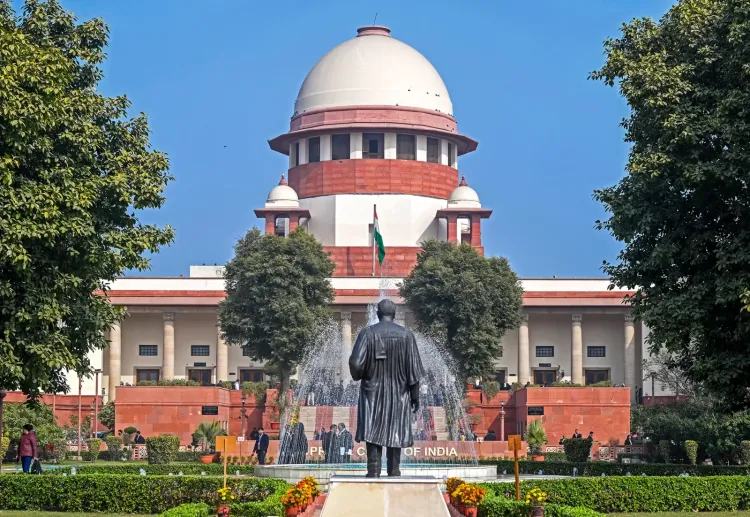
Synopsis
A contempt petition before the Supreme Court claims that despite the court's explicit 9 October order, Delhi authorities shut entry gates at 45 Metro stations and curtailed train services ahead of a protest at Jantar Mantar — directly defying CJI Surya Kant's bench. With Delhi Police Commissioner, DMRC Chairperson, and the Union Home Secretary all named, the case tests whether court orders can meaningfully check security-driven transport shutdowns.
Key Takeaways
A contempt petition was filed on 10 October by advocate Shailendra Mani Tripathi before the Supreme Court .
The plea targets Union Home Secretary Govind Mohan , Delhi Police Commissioner Anurag Kumar , and DMRC Chairperson D.
Thara for alleged non-compliance.
The DMRC had announced closure of entry and exit gates at 45 Metro stations , with frequency cuts at 57 stations .
The Supreme Court had on 9 October directed that no complete prohibition on Metro movement should be imposed ahead of the Jantar Mantar protest.
DMRC , railway authorities, and Delhi Police (Traffic) are due to file compliance reports within four days of the original order.
The proposed protest was called by the Cockroach Janta Party (CJP) , seeking accountability from Chief Election Commissioner Gyanesh Kumar .
A contempt petition has been filed before the Supreme Court alleging that authorities violated its 9 October order directing that Metro and railway services in New Delhi must not be completely suspended ahead of a proposed protest against Chief Election Commissioner Gyanesh Kumar at Jantar Mantar. The petition was filed on 10 October by advocate Shailendra Mani Tripathi.
Who Has Been Named in the Petition
The contempt plea seeks initiation of proceedings against Union Home Secretary Govind Mohan, Delhi Police Commissioner Anurag Kumar, and Delhi Metro Rail Corporation (DMRC) Chairperson D. Thara for allegedly failing to comply with the Supreme Court's directions. The petitioner contends that the apex court's order was categorical and left no room for a blanket suspension of services.
What the Petitioner Alleged
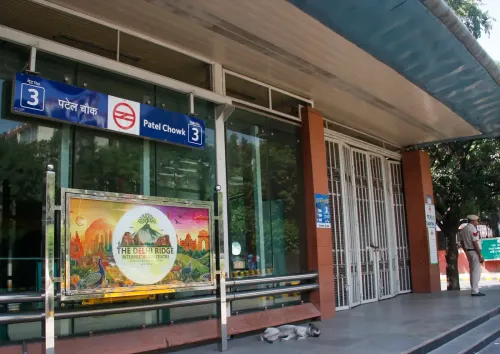
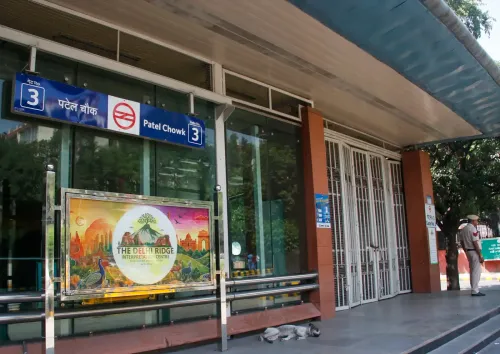
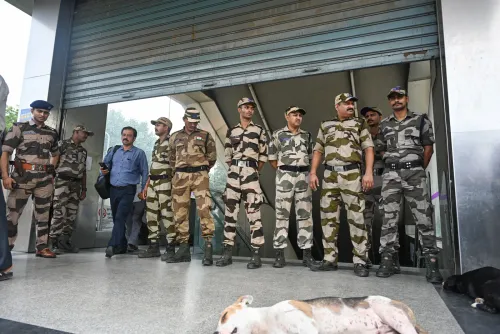
Tripathi alleged that despite the court's explicit direction, entry and exit gates at several Metro stations remained shut and train services continued to be cancelled or curtailed on the night of 9 October. According to the plea, the DMRC had announced the closure of entry and exit gates at 45 Metro stations across the capital.
The petitioner stated that he personally visited GTB Nagar and Vishwavidyalaya Metro stations at around 9:30 pm and found their entry gates locked, adding that he recorded the closed gates on video. He also claimed to have visited Jantar Mantar at around 8:30 pm, where only police and paramilitary personnel were present and no protesters had gathered. The plea further alleged that authorities failed to adequately publicise revised travel arrangements, compounding disruption to public life.
What the Supreme Court Had Directed
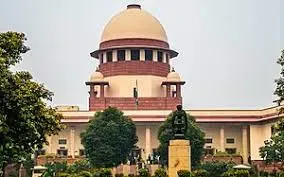
The contempt petition stems from an order passed on Friday, 9 October, by a bench of Chief Justice of India (CJI) Surya Kant and Justices Joymalya Bagchi and V. Mohana. The bench directed that there should be no complete stoppage of Metro train services ahead of the proposed demonstration.
The court drew a clear distinction between a blanket prohibition on train movement and regulated operations, stressing that preventive measures must be proportionate to any anticipated law-and-order situation. 'In terms of that assurance, we make it clear that there shall be no complete prohibition on the movement of Metro trains,' the court said, recording an assurance by Solicitor General Tushar Mehta that authorities would reconsider the curbs and allow services to run in a regulated manner.
The bench had also directed the DMRC, relevant railway authorities, and Delhi Police (Traffic) to file compliance reports within four days, and asked that a traffic advisory be issued to minimise hardship to commuters.
Background: Protest and Original Restrictions
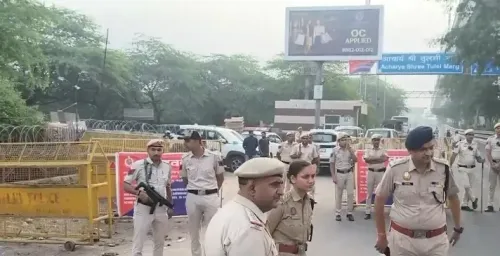
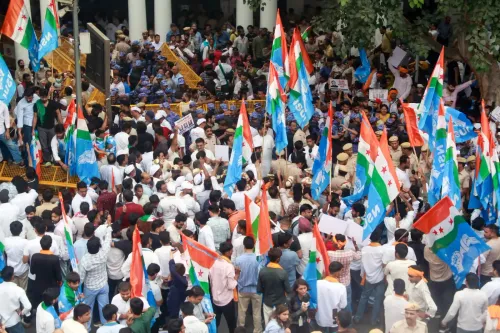
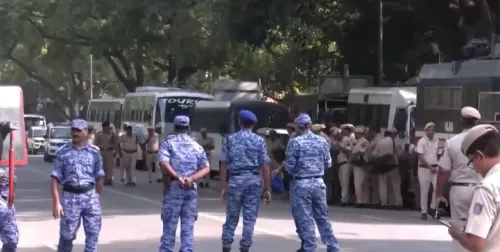
The restrictions were imposed in anticipation of a demonstration by the Cockroach Janta Party (CJP), which is seeking accountability from Chief Election Commissioner Gyanesh Kumar. Delhi Police denied permission for the protest, citing concerns over public safety, traffic regulation, and law and order, and noting that prohibitory orders under Section 163 of the Bharatiya Nagarik Suraksha Sanhita (BNSS) were in force in the New Delhi area.
The original restrictions had included a reduction in Metro train frequency through 57 stations and closure of entry and exit gates from 9 pm on 9 October, continuing through 10 October until the situation normalised. The Supreme Court had also asked competent authorities to consider designating alternative protest sites equipped with basic amenities to facilitate lawful demonstrations.
What Happens Next
The contempt petition is now before the Supreme Court, which will determine whether the alleged non-compliance warrants formal proceedings against the named officials. With compliance reports from the DMRC, railway authorities, and Delhi Police due within four days of the original order, the court's response to the contempt plea is expected to set an important precedent on how security-driven transport curbs must be calibrated against judicial directives.
Point of View
Yet the petitioner's account — gates locked, trains curtailed, Jantar Mantar nearly empty — suggests the directions were observed in form, not in spirit. Naming the Home Secretary alongside the Delhi Police chief and DMRC head signals a deliberate escalation, widening accountability beyond operational officers to the policy level. If the contempt plea proceeds, it could force courts to build harder compliance teeth into future orders restraining security-driven shutdowns — a precedent with consequences well beyond this particular protest.
NationPress
10 Oct 2026
Frequently Asked Questions
What is the contempt petition filed in the Supreme Court about?
The petition alleges that Delhi authorities violated the Supreme Court's 9 October order, which directed that Metro and railway services in New Delhi must not be completely suspended ahead of a protest at Jantar Mantar. The petitioner claims that despite the court's directive, entry gates at 45 Metro stations were shut and train services were curtailed.
Who has been named in the contempt petition?
Advocate Shailendra Mani Tripathi has sought contempt proceedings against Union Home Secretary Govind Mohan, Delhi Police Commissioner Anurag Kumar, and DMRC Chairperson D. Thara for allegedly failing to comply with the Supreme Court's directions.
What did the Supreme Court order on 9 October?
A bench of CJI Surya Kant, Justice Joymalya Bagchi, and Justice V. Mohana ruled that there should be no complete prohibition on Metro train movement ahead of the Jantar Mantar demonstration. The court distinguished between a blanket ban and regulated operations, and recorded an assurance from Solicitor General Tushar Mehta that authorities would allow services to run in a regulated manner.
Why were Metro restrictions imposed in the first place?
Delhi Police imposed the restrictions anticipating a protest by the Cockroach Janta Party (CJP) at Jantar Mantar, which is seeking accountability from Chief Election Commissioner Gyanesh Kumar. Police denied permission for the demonstration citing public safety, traffic, and law-and-order concerns, with prohibitory orders in force under Section 163 of the BNSS.
What happens next in the Supreme Court case?
The contempt petition is now before the Supreme Court for consideration. The DMRC, relevant railway authorities, and Delhi Police (Traffic) are also required to file compliance reports within four days of the original 9 October order, which will be a key input for the court's next steps.