SC refuses to shift Tirupati laddu adulteration trial out of Andhra Pradesh

Synopsis
The Supreme Court has refused to move the Tirupati laddu adulteration trial out of Andhra Pradesh, dismissing fears of political bias — even as the CBI-SIT charge sheet reveals the ghee contained no animal fat but was adulterated with vegetable oils and synthetic esters. The case sits at an uncomfortable crossroads of temple sanctity, political rivalry, and judicial oversight.
Key Takeaways
The Supreme Court on 5 November 2026 declined to transfer the Tirupati laddu adulteration trial outside Andhra Pradesh .
The Bench of CJI Surya Kant and Justice Joymalya Bagchi held that no case was made out for shifting the proceedings at this stage.
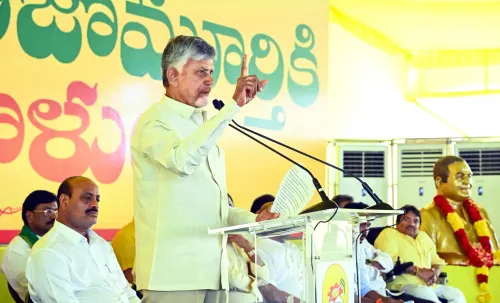
Petitioners had cited continuous political statements by CM Chandrababu Naidu and Deputy CM Pawan Kalyan as grounds for transfer.
The CBI-led SIT filed its charge sheet on 23 January 2026 ; lab tests found no animal fat but confirmed adulteration with vegetable oils and synthetic esters .
The Enforcement Directorate has registered an ECIR under PMLA to probe alleged financial irregularities linked to the case.
The controversy originally erupted in September 2024 when Naidu alleged animal fat was used in Tirupati temple laddus during the previous YSRCP government.
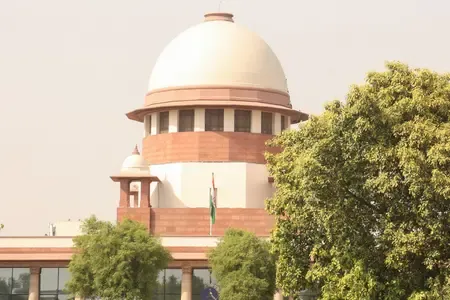
The Supreme Court on Thursday, 5 November 2026, declined to transfer the trial in the alleged Tirupati laddu adulteration case out of Andhra Pradesh, ruling that no sufficient grounds existed at this stage to shift the proceedings to another state. The order was passed by a Bench comprising Chief Justice of India (CJI) Surya Kant and Justice Joymalya Bagchi while hearing a criminal transfer petition.
The Transfer Petition and Arguments
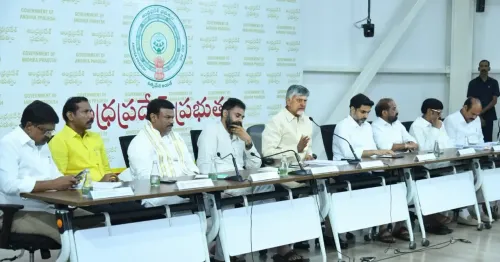
The petition was filed by Machindra Shantaram Lanke and M/s Malganga Milk and Agro Products, seeking relocation of the trial from Andhra Pradesh to a neighbouring state. Senior advocate Siddharth Dave, appearing for the petitioners, argued that continuous political statements by Andhra Pradesh Chief Minister N. Chandrababu Naidu and Deputy Chief Minister Pawan Kalyan had compromised the possibility of a fair prosecution.
'Prosecution has to be fair,' Dave submitted, contending that the case carried too great an emotive significance within the state for impartial proceedings to be guaranteed.
What the Supreme Court Said
The CJI-led Bench was unmoved, observing that the apex court had already 'silenced them all with our order' — a reference to its earlier directive restraining public statements on the matter. The Bench added that the petitioners were free to return to the Supreme Court if fresh concerns arose, but held that no case had been made out for a transfer at the present stage.
Background: How the Controversy Erupted
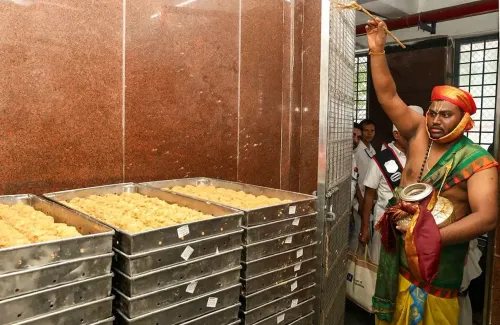
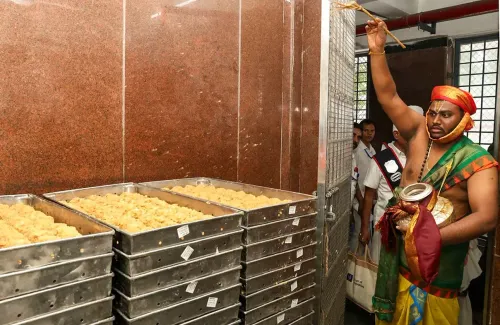
The politically charged controversy dates to September 2024, when Chief Minister Naidu publicly alleged that animal fat had been used in the preparation of the sacred laddus offered as prasadam at the Sri Venkateswara Swamy temple in Tirupati, purportedly during the tenure of the previous YSR Congress Party (YSRCP) government. The claim triggered a nationwide furore over the sanctity of one of Hinduism's most visited shrines.
On 30 September 2024, the Supreme Court admonished Naidu for making public statements while an investigation was still underway, famously observing that 'we expect the Gods to be kept away from politics.' On 4 October 2024, the court entrusted the probe to an independent Special Investigation Team (SIT) supervised by the Central Bureau of Investigation (CBI).
Charge Sheet and Laboratory Findings
The CBI-led SIT filed its final charge sheet before an Anti-Corruption Bureau court in Nellore on 23 January 2026. The charge sheet referenced findings of the ICAR-National Dairy Research Institute, Karnal, which analysed four sealed ghee samples drawn by the Tirumala Tirupati Devasthanams (TTD) from tankers supplied in July 2024. Notably, the laboratory report found no presence of lard or animal fat in those samples.
However, investigators concluded that the ghee had been adulterated with a mixture of vegetable oils and laboratory esters, allegedly engineered to mimic the chemical parameters of genuine dairy products — a finding that sustained the criminal case despite the absence of animal fat.
ED Probe and Political Reverberations
The Enforcement Directorate (ED) has separately registered an Enforcement Case Information Report (ECIR) under the Prevention of Money Laundering Act (PMLA) to investigate alleged financial irregularities linked to the case. In March 2026, Naidu reportedly reiterated his allegations against the previous YSRCP administration, accusing it of attempting to tarnish the temple's reputation and spreading what he described as false propaganda over the CBI-led SIT report.
With the trial now confirmed to remain in Andhra Pradesh and the ED probe ongoing, the case is set to remain a flashpoint at the intersection of religion, politics, and the judiciary for the foreseeable future.
Point of View
But it papers over a deeper problem: a sitting Chief Minister publicly inflamed a religiously sensitive controversy while a court-supervised investigation was live, and the apex court's earlier admonishment did not fully silence the political noise. More tellingly, the CBI-SIT charge sheet found no animal fat — the original and most incendiary allegation — yet the criminal case proceeds on the narrower finding of adulteration by vegetable oils. The gap between the headline claim that drove a national outrage and the forensic reality that sustained the charge sheet deserves far more scrutiny than it has received.
NationPress
5 Nov 2026
Frequently Asked Questions
Why did the Supreme Court refuse to transfer the Tirupati laddu adulteration trial?
The Supreme Court held that no sufficient grounds existed at this stage to shift the trial out of Andhra Pradesh. The Bench noted it had already issued orders restraining political commentary on the case and said the petitioners could return if fresh concerns arose.
What did the CBI-SIT charge sheet find about the Tirupati laddu adulteration?
The charge sheet filed on 23 January 2026 referenced lab analysis by the ICAR-National Dairy Research Institute, Karnal, which found no lard or animal fat in the four ghee samples tested. However, investigators concluded the ghee was adulterated with vegetable oils and synthetic esters allegedly designed to mimic dairy product parameters.
Who filed the transfer petition and why?
The petition was filed by Machindra Shantaram Lanke and M/s Malganga Milk and Agro Products. They argued that repeated public statements by Andhra Pradesh CM Chandrababu Naidu and Deputy CM Pawan Kalyan had compromised the fairness of the prosecution in the state.
How did the Tirupati laddu adulteration controversy begin?
The controversy erupted in September 2024 when CM Naidu publicly alleged that animal fat was used in preparing the sacred laddus at the Sri Venkateswara Swamy temple in Tirupati during the previous YSRCP government. The claim triggered a nationwide debate over temple administration and food safety.
What is the Enforcement Directorate's role in the Tirupati laddu case?
The Enforcement Directorate has registered an Enforcement Case Information Report (ECIR) under the Prevention of Money Laundering Act to investigate alleged financial irregularities connected to the ghee supply and adulteration case, running parallel to the criminal trial.