Banke Bihari Temple donations: SC orders every penny into treasury, warns of action
Synopsis
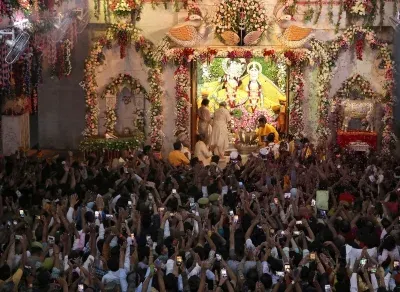
The Supreme Court has drawn a firm line at Vrindavan's Banke Bihari Temple: not a single rupee of devotee offerings can be intercepted before it reaches the deity's treasury. With photographs allegedly showing bhandaris collecting donations in polythene bags and QR codes reportedly destroyed to block digital giving, the court's order exposes a systematic diversion of temple funds — and sets up a direct confrontation with sevayats over centuries-old customary rights.
Key Takeaways
The Supreme Court on 25 August directed that every donation at Shri Banke Bihari Temple, Vrindavan must go through donation boxes or online into the temple treasury.
The CJI-led bench warned that any obstruction by sevayats or others would be 'viewed very seriously.' The managing committee's status report alleged bhandaris were intercepting donations in polythene bags and that QR codes for digital donations had been destroyed or covered.
Justice Joymalya Bagchi stated: 'A priest cannot have a garnishee right on the deity.' All contesting parties have been granted one week to file responses to the status report.
The court-appointed committee, headed by retired judge Justice Ashok Kumar , has been overseeing the temple since August 2025 .
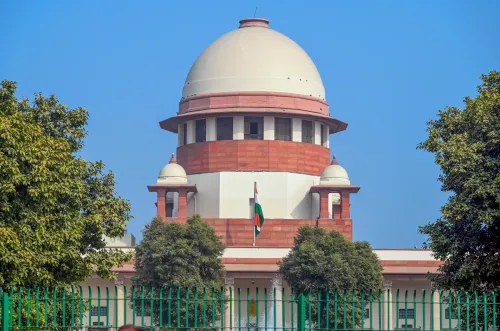
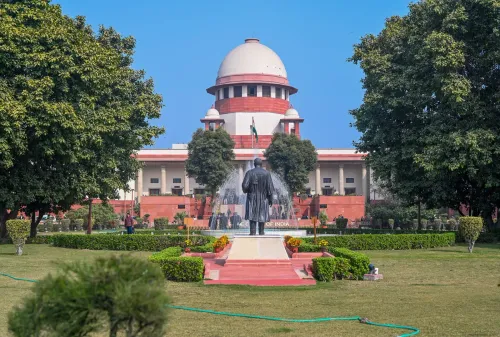
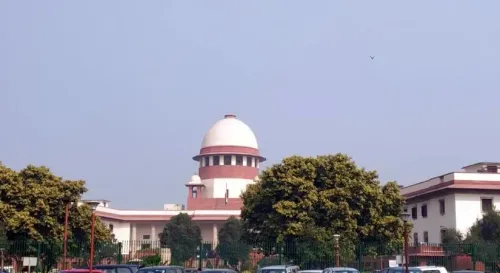
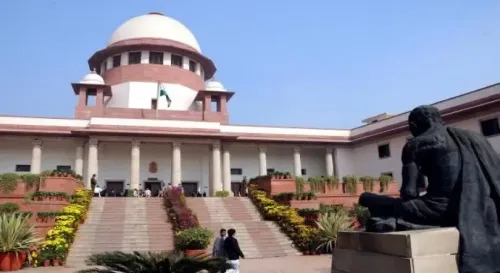
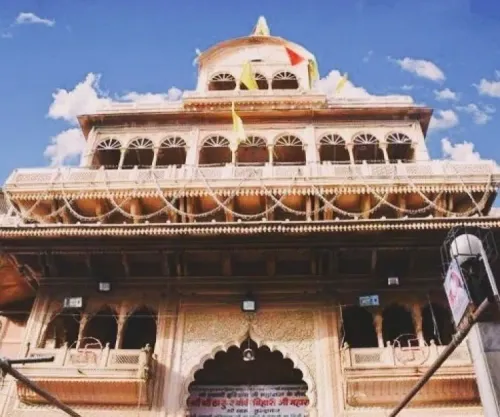
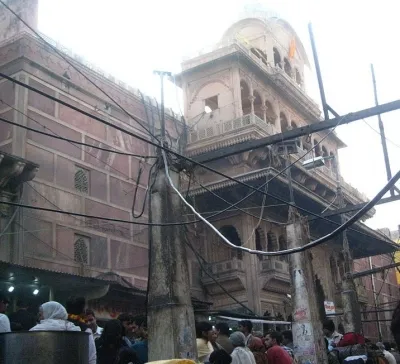
The Supreme Court of India on Tuesday, 25 August ordered that every donation made at the Shri Banke Bihari Temple in Vrindavan, Mathura must be channelled exclusively through the temple's donation boxes or online directly into the temple treasury, warning that any interference by sevayats or other individuals would be treated with utmost seriousness.
What the Court Directed
A bench comprising Chief Justice of India (CJI) Surya Kant, Justice Joymalya Bagchi, and Justice V. Mohana issued the directive while hearing the ongoing dispute over the temple's management and administration. 'We direct that every penny of donation must come through the donation boxes or online into the temple treasury. Any impediment created by sevayats or anyone else shall be viewed very seriously,' the CJI-led bench stated. The court also instructed the temple's managing committee to establish a transparent donation mechanism and take all necessary steps to prevent malpractice in the collection of offerings.
What Triggered the Order
Senior advocate Maninder Singh, appearing for the court-appointed temple management committee, placed before the bench photographs and a video allegedly showing individuals standing near donation boxes and collecting offerings directly from devotees in polythene bags — rather than allowing devotees to deposit money into the boxes themselves. The high-powered committee's status report further alleged that bhandaris were intercepting donations and collecting money in packets, that the openings of some donation boxes were being covered with flowers, plates, or other material, and that QR codes meant for online donations had been destroyed or covered, blocking the digital donation facility entirely.
The Sevayats' Counter-Claim
An intervener claiming to represent the deity disputed the allegations, submitting that cash collected by bhandaris was towards bhog (food offerings) and that the practice was protected by a civil court decree recognising the usufructuary rights of sevayats. The CJI-led bench clarified, however, that it was not disputing the legitimate entitlements of sevayats — only the sequence. 'First, the donation must be into the dedication, that is, to the deity. And from that you will get your share as part of the bhandari duties. You cannot appropriate the money before the devotee goes to the temple and gives the money into the deity's funds,' the bench said. Justice Bagchi added pointedly: 'A priest cannot have a garnishee right on the deity.'
Other Issues Raised in Court
Senior advocate Shyam Divan, appearing for the petitioners, raised additional concerns over the alleged use of temple funds by the managing committee to purchase properties, questioning whether such expenditure fell within the powers of a court-appointed body. He also flagged challenges to the legislation governing the temple's management and raised issues concerning Article 25 of the Constitution, which guarantees freedom of religion. The apex court has granted all contesting parties one week to file their responses and objections to the status report.
Background and Committee History
In August 2025, the Supreme Court constituted a high-powered management committee headed by retired Allahabad High Court judge Justice Ashok Kumar to oversee the temple's day-to-day affairs, including crowd management, pilgrim amenities, safety, and precinct development. The court had simultaneously stayed provisions of the Shri Bankey Bihari Ji Temple Trust Ordinance, 2025 — which empowered the Uttar Pradesh government to create a separate trust for managing the temple — pending adjudication before the Allahabad High Court. More recently, the committee's composition was expanded to include four elected representatives from the Raj Bhog and Shayan Bhog Goswami groups to ensure traditional religious practices are represented in administration. The court had also directed the Uttar Pradesh government and the committee to prepare a comprehensive development plan covering infrastructure, pilgrim amenities, transport, healthcare, drinking water, and facilities for vulnerable devotees. The matter continues to be heard as part of the broader dispute over temple administration and the development of surrounding areas in Vrindavan.
Point of View
Which is a principle that, if applied consistently, could reshape how temple economies function across Uttar Pradesh. What mainstream coverage underplays is the collision between the court-appointed secular management committee and the traditional religious hierarchy — a tension that the stayed Bankey Bihari Ji Temple Trust Ordinance of 2025 was itself an attempt to resolve, however imperfectly. The destruction of QR codes, if proved, signals organised resistance, not individual misconduct, and the court's language — 'garnishee right on the deity' — suggests it is prepared to treat this as contempt territory.
NationPress
9 Oct 2026
Frequently Asked Questions
What did the Supreme Court order regarding Banke Bihari Temple donations?
The Supreme Court directed on 25 August that every donation at Shri Banke Bihari Temple in Vrindavan must be deposited only through the temple's donation boxes or online into the temple treasury. The court warned that any obstruction by sevayats or others would be treated with utmost seriousness.
Why did the Supreme Court issue this order?
The court-appointed management committee presented photographs and a video allegedly showing bhandaris collecting devotee offerings in polythene bags before they could reach the donation boxes. The committee's status report also alleged that QR codes for digital donations had been destroyed or covered, blocking the online donation facility.
What rights do sevayats have over temple donations?
The Supreme Court clarified it is not disputing sevayats' legitimate entitlement to a share of offerings, but ruled that the offering must first be made to the deity. Only after it enters the temple treasury can sevayats receive their designated share — they cannot intercept money before it is dedicated to the deity.
Who is managing the Banke Bihari Temple currently?
A court-appointed high-powered committee, headed by retired Allahabad High Court judge Justice Ashok Kumar, has been overseeing the temple's day-to-day affairs since August 2025. Its composition was later expanded to include four elected representatives from the Raj Bhog and Shayan Bhog Goswami groups.
What is the Shri Bankey Bihari Ji Temple Trust Ordinance, 2025?
It is a legislation passed by the Uttar Pradesh government empowering it to create a separate trust for managing the Banke Bihari Temple. The Supreme Court has stayed its key provisions pending adjudication of its validity before the Allahabad High Court.