Banke Bihari Temple darshan row: SC hears sevayats' plea against panel changes
Synopsis
The Supreme Court's oversight of the Shri Banke Bihari Temple in Mathura has reached a flashpoint: hereditary sevayats are challenging the court-appointed committee's move to extend darshan hours and scrap the traditional Dehri Puja — a collision between administrative modernisation and centuries-old ritual practice that CJI Surya Kant's bench must now navigate.
Key Takeaways
The Supreme Court is scheduled on 16 June to hear a petition by sevayats of Shri Banke Bihari Temple, Mathura against the court-appointed management committee.
Grievances include the extension of darshan hours and discontinuation of the traditional Dehri Puja practice.
At the 26 May hearing, the apex court inducted four elected Goswami representatives into the management committee to protect traditional practices.
The Uttar Pradesh government and the committee were directed to submit a comprehensive infrastructure development plan for the temple and Vrindavan area.
The committee, headed by retired judge Justice Ashok Kumar , was constituted in August 2025 ; the court also stayed the Bankey Bihari Ji Temple Trust Ordinance, 2025 pending High Court review.
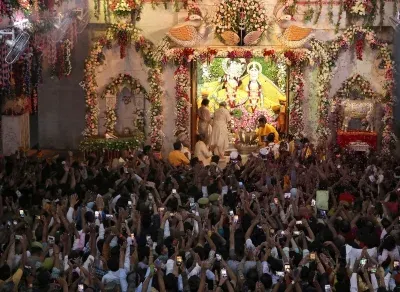
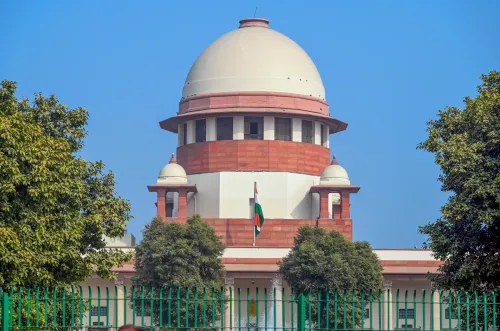
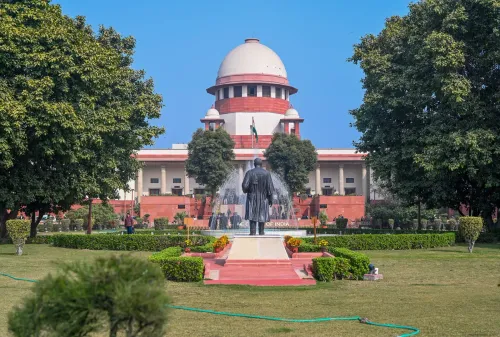
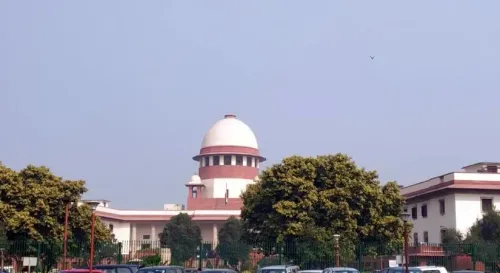
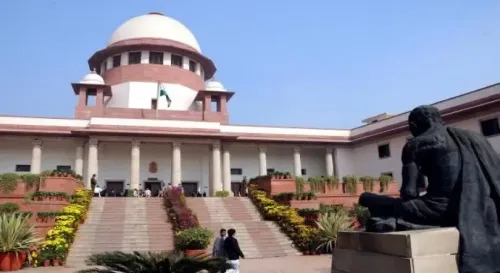
The Supreme Court is scheduled to hear on Tuesday, 16 June a petition filed by the sevayats of the Shri Banke Bihari Temple in Mathura, challenging key decisions made by the court-appointed high-powered management committee overseeing the revered shrine. A Bench comprising Chief Justice of India (CJI) Surya Kant and Justice V. Mohana is listed to take up the matter, according to the apex court's official cause list.
What the Sevayats Are Contesting
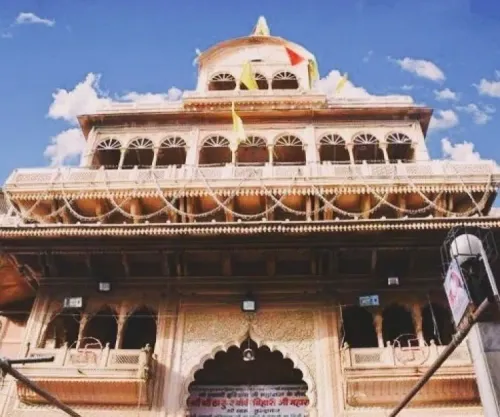
The petitioners — hereditary priests and caretakers of the temple — contend that certain decisions by the Supreme Court-appointed management committee have encroached upon long-standing religious customs. Chief among the grievances are the extension of darshan hours and the discontinuation of the traditional Dehri Puja practice, a ritual the sevayats regard as integral to the temple's devotional identity.
The hearing is also expected to touch on the broader development of the temple precincts and surrounding areas in Vrindavan, which has been a parallel strand of the court's oversight.
What Happened at the Previous Hearing
At the last hearing on 26 May, the apex court moved to balance administrative efficiency with religious continuity by expanding the management committee's composition. The court inducted four elected representatives from the Raj Bhog and Shayan Bhog Goswami groups, ensuring traditional religious voices have a formal seat in the temple's administration.
The newly inducted members were directed to jointly propose measures for preserving traditional practices and improving day-to-day temple functioning — including recommendations on darshan timings across different weather conditions.
The Comprehensive Development Plan
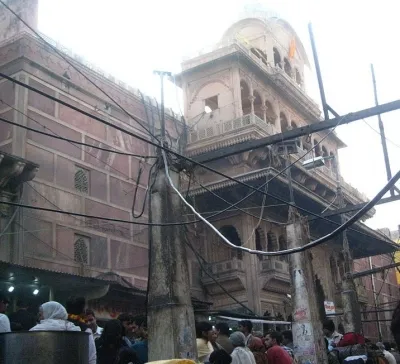
In the same 26 May order, the Supreme Court underscored the need for holistic development of the area surrounding the temple. The Uttar Pradesh government and the management committee were directed to prepare a comprehensive development plan addressing infrastructure gaps such as road widening, regulation of commercial activity, improved pilgrim amenities, drinking water facilities, hospitals, resting places, and dedicated facilities for women, children, senior citizens, and differently-abled devotees. Both the state government and the committee were asked to submit a detailed report for the court's consideration.
Background: How the Committee Was Formed
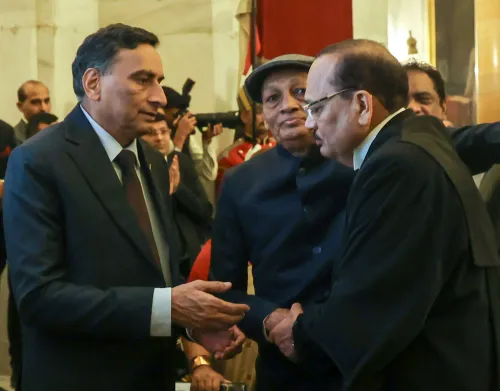
In August 2025, the Supreme Court constituted the high-powered management committee, headed by retired Allahabad High Court judge Justice Ashok Kumar, to supervise the day-to-day affairs of the Shri Banke Bihari Temple. The committee was entrusted with crowd management, pilgrim safety, amenities, and overall development of the shrine and its environs.
Simultaneously, the apex court stayed provisions of the Shri Bankey Bihari Ji Temple Trust Ordinance, 2025 — legislation that had empowered the Uttar Pradesh government to create a separate trust to manage the temple — pending adjudication of its validity by the Allahabad High Court. That constitutional question remains live, adding a legislative dimension to the ongoing judicial oversight.
Tuesday's hearing will test how the court balances modernising a high-footfall pilgrimage site against protecting the centuries-old customs that define it.
Point of View
They inevitably disturb the ritual ecology that hereditary priests have maintained for generations. The Supreme Court's own compromise — inducting Goswami representatives into the committee — acknowledges that technocratic oversight alone cannot govern a living devotional institution. What the court has not yet resolved is the deeper constitutional question: whether the UP government's 2025 ordinance to create a state-controlled trust was a legitimate exercise of regulatory power or an overreach into religious autonomy. Until that is settled by the Allahabad High Court, the management committee operates in a legal grey zone, and every administrative decision it takes — including darshan timings — remains contestable.
NationPress
15 Sept 2026
Frequently Asked Questions
Why are the sevayats of Banke Bihari Temple approaching the Supreme Court?
The sevayats — hereditary priests and caretakers — have petitioned the Supreme Court challenging decisions by the court-appointed management committee, specifically the extension of darshan hours and the discontinuation of the traditional Dehri Puja ritual. They argue these changes adversely affect centuries-old religious practices at the Mathura shrine.
Who is on the Supreme Court bench hearing this case?
A bench comprising Chief Justice of India Surya Kant and Justice V. Mohana is listed to hear the matter on 16 June, as per the apex court's official cause list.
What changes did the Supreme Court make at the 26 May hearing?
The Supreme Court expanded the high-powered management committee by inducting four elected representatives from the Raj Bhog and Shayan Bhog Goswami groups. The new members were directed to jointly recommend measures for preserving traditional practices and advising on temple timings across seasons.
What is the Bankey Bihari Ji Temple Trust Ordinance, 2025?
It is a piece of legislation passed by the Uttar Pradesh government that sought to create a separate state-controlled trust to manage the Shri Banke Bihari Temple. The Supreme Court has stayed its relevant provisions pending a validity ruling by the Allahabad High Court.
What infrastructure improvements are being planned for the Mathura-Vrindavan area?
The Supreme Court has directed the Uttar Pradesh government and the management committee to prepare a comprehensive development plan covering road widening, commercial activity regulation, pilgrim amenities, drinking water, hospitals, resting places, transport, and dedicated facilities for women, children, senior citizens, and differently-abled devotees.