Supreme Court orders RBI mule account SOP in 4 weeks to curb digital arrest scams

Synopsis
Digital arrest scam complaints in India have collapsed from over 1.2 lakh in 2024 to just 16,377 by mid-2026 — but the Supreme Court isn't standing down. In its latest salvo, the CJI-led Bench has put the RBI on a four-week clock for a mule-account SOP, pushed states to activate cyber coordination centres, and tasked an inter-departmental panel with building a victim compensation framework.
Key Takeaways
The Supreme Court on 4 August 2026 issued fresh nationwide directions against digital arrest scams .
RBI must frame a Standard Operating Procedure on mule accounts within four weeks ; a copy must go to every High Court's Registrar General.
All states and UTs directed to operationalise State Cyber Crime Coordination Centres and adopt the e-Zero FIR mechanism within four weeks.
Digital arrest scam complaints fell from 1,23,672 in 2024 to 16,377 by 30 June 2026 .
The Centre's Inter-Departmental Committee must examine a shared liability and victim compensation framework .
Next hearing scheduled for 16 September 2026 .
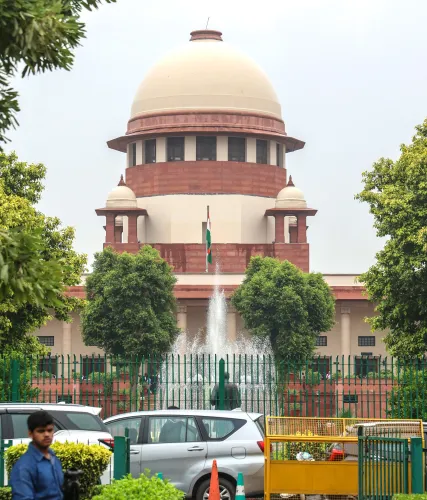
The Supreme Court of India on Tuesday, 4 August 2026, issued a sweeping set of nationwide directions to fortify the country's institutional defence against digital arrest scams, ordering the Reserve Bank of India (RBI) to frame a Standard Operating Procedure (SOP) on mule accounts within four weeks and directing all states and Union Territories (UTs) to operationalise cyber fraud grievance redressal and money restoration mechanisms without delay.
A Bench comprising Chief Justice of India (CJI) Surya Kant and Justices Joymalya Bagchi and V. Mohana passed the directions after reviewing the fourth status report submitted by the Indian Cyber Crime Coordination Centre (I4C) under the Ministry of Home Affairs, detailing compliance by ministries, regulators, investigating agencies, telecom service providers, and digital intermediaries with the court's earlier orders.
Key Directions Issued by the Court
The apex court directed the RBI to prepare and circulate the mule-account SOP within four weeks, with a copy to be furnished to the Registrar General of every High Court. States and UTs have been asked to notify and operationalise their State Cyber Crime Coordination Centres within the same deadline and to adopt the e-Zero FIR mechanism in consultation with I4C.
The Centre's Inter-Departmental Committee has been tasked with examining a shared liability and victim compensation framework for those defrauded through digital arrest scams. The court also asked the Registrar General of every High Court to bring the grievance redressal mechanism to the notice of courts and adjudicating authorities handling bank account freezing cases in cyber fraud matters.
'The Reserve Bank of India shall, within four weeks, prepare and circulate a Standard Operating Procedure (SOP) for dealing with mule accounts/accounts linked to money laundering activity and cyber-enabled fraud,' the CJI-led Bench ordered.
Decline in Complaints — But Vigilance Urged
Recording notable progress, the Bench noted that complaints related to digital arrest scams on the National Cyber Crime Reporting Portal had fallen sharply — from 1,23,672 in 2024 to 58,249 in 2025, and further to 16,377 by 30 June 2026. Reported defrauded amounts have also declined correspondingly.
'While this trend is certainly encouraging, it bears saying that continued monitoring remains indispensable,' the Bench observed, adding that 'the mechanisms already put in place require wider adoption, faster implementation, and continued follow-up.'
Role of Legal Services Authorities and Courts
The Supreme Court recommended that State Legal Services Authorities immediately launch public awareness initiatives covering digital arrest scams, cybercrime prevention, and available recovery mechanisms. It also directed authorities to ensure expeditious disposal of matters involving the freezing of bank accounts arising from cyber-enabled financial frauds, while clarifying that the grievance redressal route would not bar constitutional or statutory remedies.
Background and Earlier Orders
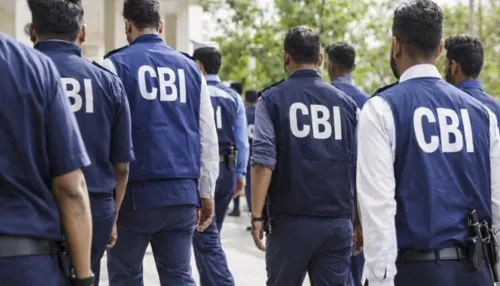
The proceedings stem from the court's suo motu intervention after a senior citizen couple informed the apex court that they had been defrauded of their life savings through a digital arrest scam. In orders dated 1 December 2025, the court had entrusted investigation of such scams to the Central Bureau of Investigation (CBI), directed telecom providers and intermediaries to cooperate, and called for measures to curb misuse of mule bank accounts and SIM cards.
On 9 February 2026, the Bench directed the Union Ministry of Home Affairs to implement a uniform SOP for grievance redressal and restoration of defrauded money, asked the RBI to finalise its SOP on temporary debit holds for suspicious accounts, and called on authorities to evolve a victim compensation framework. The matter has now been posted for its next hearing on 16 September 2026.
Point of View
Portals, and SOPs in abundance, but coordination and victim restitution remain patchwork. The decline in complaints is real, but it may partly reflect under-reporting as scam tactics evolve rather than a genuine collapse in fraud. The court's push for a shared liability framework is the most consequential ask — if implemented, it would shift the cost of cyber fraud from victims alone to banks and telecom providers who profit from the infrastructure that enables it. That is where the real resistance will emerge.
NationPress
4 Aug 2026
Frequently Asked Questions
What are digital arrest scams and why is the Supreme Court involved?
Digital arrest scams involve fraudsters impersonating law enforcement or regulatory officials online to coerce victims into transferring money under the threat of 'digital arrest.' The Supreme Court took up the issue suo motu after a senior citizen couple informed the court they had lost their life savings to such a scam.
What has the Supreme Court directed the RBI to do?
The Supreme Court has ordered the RBI to prepare and circulate a Standard Operating Procedure for handling mule accounts and accounts linked to money laundering or cyber-enabled fraud within four weeks. A copy of the final SOP must also be sent to the Registrar General of every High Court in India.
How much have digital arrest scam complaints fallen?
Complaints on the National Cyber Crime Reporting Portal dropped from 1,23,672 in 2024 to 58,249 in 2025, and further to 16,377 by 30 June 2026. The court noted the trend as encouraging but stressed that continued monitoring remains essential.
What must states and Union Territories do under the new directions?
States and UTs must operationalise their State Cyber Crime Coordination Centres within four weeks, adopt the e-Zero FIR mechanism in consultation with I4C, and activate cyber fraud grievance redressal and money restoration mechanisms.
When is the next Supreme Court hearing on digital arrest scams?
The matter has been posted for its next hearing on 16 September 2026, when the court is expected to review compliance with the directions issued on 4 August 2026.