SC issues notice to Centre on children's social media age restrictions
Synopsis
The Supreme Court has issued notice to the Centre on a petition that exposes a stark regulatory gap: social media platforms set a self-declared minimum age of 13, while Indian law considers everyone under 18 a child. With the Digital Personal Data Protection Act, 2023 still lacking full implementation rules, the bench led by CJI Surya Kant has signalled a coordinated judicial look at child online safety — and the next hearing on 3 December could set the terms for a long-overdue national framework.
Key Takeaways
The Supreme Court issued notice to the Centre on 16 October 2026 on a petition seeking an enforceable child safety framework for social media.
The bench of CJI Surya Kant and Justice Joymalya Bagchi tagged the matter with a similar pending petition; next hearing is on 3 December .
Petitioners — Emerald Heights International School and Director Siddharth Singh Girnar — argue that platforms' self-declared minimum age of 13 conflicts with India's law, which treats all those under 18 as children.
The Digital Personal Data Protection Act, 2023 mandates verifiable parental consent and bans behavioural tracking of minors, but implementing rules remain incomplete.
Relief sought includes age verification mechanisms, mandatory privacy defaults, and safeguards against grooming, cyberbullying and exploitation of children online.
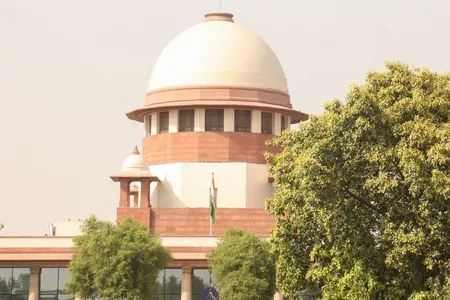
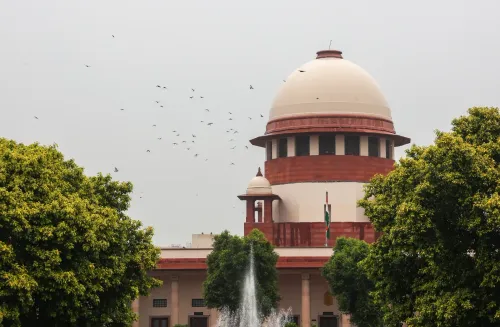
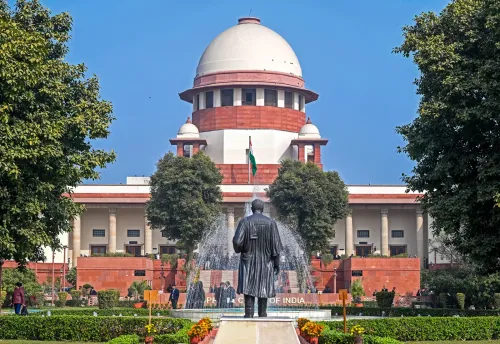
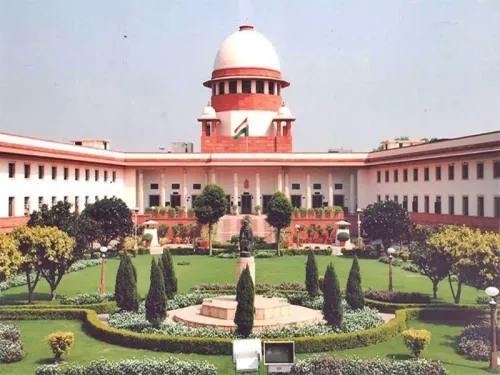
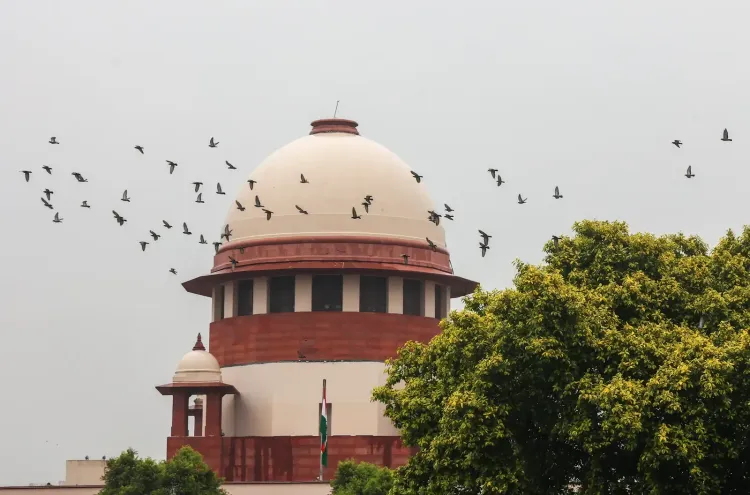
The Supreme Court of India on Friday, 16 October 2026, issued notice to the Centre on a petition seeking a comprehensive and enforceable regulatory framework to protect children from the hazards of social media platforms, including age-based access restrictions and safeguards against online exploitation. The bench comprising Chief Justice of India Surya Kant and Justice Joymalya Bagchi tagged the matter with a related pending petition and scheduled the next hearing for 3 December.
Who Filed the Petition
The petition was filed by The Emerald Heights International School and its Director (Academics), Siddharth Singh Girnar, against the Union of India, the Ministry of Women and Child Development, the Ministry of Law and Justice, and the National Commission for Protection of Child Rights (NCPCR). The petitioners contend that children are being granted unrestricted access to commercial social media platforms, and that the existing legal framework is ill-equipped to address the attendant risks.
The Core Legal Argument
At the heart of the plea is a discrepancy between platform-set age thresholds and Indian law. Social media platforms typically enforce a self-declared minimum age of 13 years, whereas the Digital Personal Data Protection Act, 2023, recognises every person below 18 years as a child and mandates enhanced safeguards — including verifiable parental consent and restrictions on tracking, behavioural monitoring, and targeted advertising.
The petition describes the current regime as 'fragmented, incomplete and inadequately operationalised,' arguing that there is no uniform, enforceable child-safety framework covering age verification, prevention of underage access, parental involvement, or platform accountability.
Harms Cited by the Petitioners
The petitioners have flagged a wide range of risks associated with children's unregulated social media use. These include cyberbullying, harassment, exposure to harmful content, and unwanted contact from strangers. The plea also points to documented mental health consequences — sleep deprivation, diminished concentration, anxiety, low self-esteem, and declining academic engagement — linked to prolonged platform use.
Parents, the petition notes, have raised concerns about excessive phone use, late-night screen exposure, and the risk of grooming and sexual exploitation, while finding it increasingly difficult to supervise or restrict their children's access.
What Relief Has Been Sought
The petitioners have asked the court to direct the Centre and relevant authorities to formulate a dedicated regulatory framework that provides for reliable, proportionate, and privacy-preserving age verification; graded, age-appropriate access; restrictions on harmful content; and mandatory default privacy settings for accounts belonging to minors.
They have also sought enforceable safeguards against grooming, sexual solicitation, cyberbullying, and the non-consensual circulation of intimate images — along with effective reporting mechanisms, prompt removal of harmful material, and proper preservation of digital evidence. In the alternative, the petition seeks outright restrictions on children's creation and use of social media accounts if lesser measures prove insufficient.
Broader Context
This petition arrives as several democracies are grappling with similar questions. Australia passed a law in late 2024 banning children under 16 from social media, while the United Kingdom and the United States have advanced or tightened age-gating rules. In India, the Digital Personal Data Protection Act, 2023 provides a legislative foundation, but implementing rules — including those on parental consent mechanisms — are yet to be fully notified, leaving a regulatory gap that the petitioners argue the courts must now address. The Supreme Court's decision to tag this matter with an existing similar petition suggests a coordinated judicial examination of the issue may be forthcoming.
Point of View
Yet the platforms it is meant to govern continue operating on a 13-year threshold with no verified enforcement. The Supreme Court's decision to tag this with a prior similar petition is a signal that judicial patience with executive inaction on child online safety is running thin. What the court does next matters beyond jurisprudence — India has roughly 600 million internet users, a disproportionate number of them young, and the implementing rules under the Digital Personal Data Protection Act, 2023 remain in regulatory limbo two years after enactment. The real accountability question is not whether a framework is needed — it plainly is — but why the government has yet to notify the rules it already legislated.
NationPress
16 Oct 2026
Frequently Asked Questions
Why did the Supreme Court issue notice to the Centre on social media age restrictions?
The Supreme Court issued notice on 16 October 2026 after a petition argued that India lacks a uniform, enforceable framework to protect children on social media. The petitioners contend that platforms' self-declared minimum age of 13 is inconsistent with Indian law, which treats everyone under 18 as a child.
What is the Digital Personal Data Protection Act, 2023, and how does it relate to this case?
The Digital Personal Data Protection Act, 2023 is India's primary data privacy law, which classifies all persons below 18 as children and mandates verifiable parental consent before their data can be processed. The petition argues that its implementing rules have not been fully notified, leaving the child-safety provisions effectively unenforceable.
Who filed the petition and what specific changes are they seeking?
The petition was filed by Emerald Heights International School and its Director (Academics), Siddharth Singh Girnar. They are seeking a regulatory framework that mandates age verification, graded access, mandatory privacy defaults for minors, and enforceable safeguards against grooming, cyberbullying and exploitation.
When will the Supreme Court hear this matter next?
The Supreme Court has listed the matter for further hearing on 3 December. It has also tagged it with a similar pending petition, which could lead to a consolidated judicial examination of child online safety in India.
How does India's approach compare with other countries on children's social media access?
Several countries have moved ahead of India on this issue. Australia banned children under 16 from social media in late 2024, while the United Kingdom and the United States have tightened age-gating rules. India has the legislative foundation in the Digital Personal Data Protection Act, 2023, but has yet to fully operationalise its child-safety provisions.