Supreme Court sets up 5-member expert panel to redefine Aravalli Hills
Synopsis
The Supreme Court has handed over the Aravalli question to scientists. A five-member ICFRE-led panel will reassess whether the 100-metre elevation rule leaves vast ecologically connected stretches unprotected — a definition fight that could decide the fate of mining and conservation across Rajasthan, Haryana, Delhi and Gujarat. Report due 31 August; next hearing 7 September.
Key Takeaways
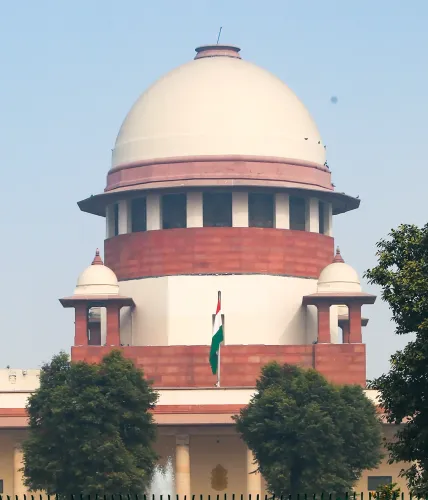
The Supreme Court has set up a five-member High-Powered Committee headed by the ICFRE Director General to reassess the definition of the Aravalli Hills.
The Bench led by CJI Surya Kant with Justices Joymalya Bagchi and Vipul M.
Pancholi ordered the report by 31 August 2026 .
Members include Dr Subhash Ashutosh , Dr Rajendra Kumar Sharma , Brij Mohan Singh Rathore and Prof.
The earlier revised definition counted only landforms above 100 metres as Aravalli hills — a parameter the panel will now re-examine.
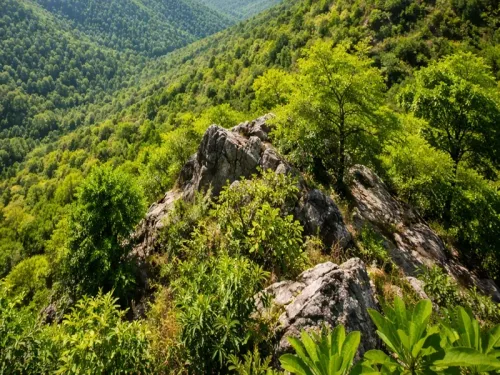
The Aravalli range spans Rajasthan , Haryana , Delhi and Gujarat ; the next hearing is on 7 September .
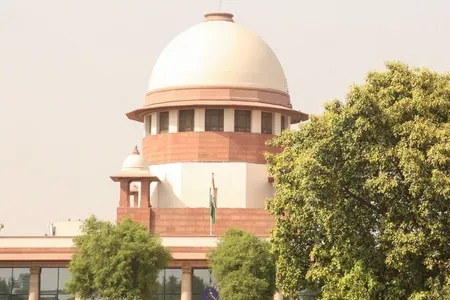
The Supreme Court has constituted a five-member High-Powered Committee (HPC), headed by the Director General of the Indian Council of Forestry Research and Education (ICFRE), to undertake a comprehensive scientific assessment of the definition and demarcation of the ecologically sensitive Aravalli Hills and Ranges. The panel has been directed to submit its report by 31 August 2026, with the matter posted for further hearing on 7 September.
Who is on the panel
A three-judge Bench led by Chief Justice of India Surya Kant, along with Justices Joymalya Bagchi and Vipul M. Pancholi, named the Director General of ICFRE as ex officio Chairperson. The members include former Forest Survey of India Director General Dr Subhash Ashutosh, retired Geological Survey of India Director Dr Rajendra Kumar Sharma, former MoEFCC Joint Secretary Brij Mohan Singh Rathore, and former Delhi University Botany head Prof. Ashok K. Bhatnagar.
Professor Jagdish Krishnaswamy, Dean of the School of Environment and Sustainability at the Indian Institute for Human Settlements, and Professor Laxmikant Sharma of the Central University of Haryana have been named special invitees to assist the committee.
What the court said
The Bench said the panel will examine the environmental, geological and ecological implications of the parameters used to identify the Aravalli range, particularly issues flowing from paragraphs 9 and 10 of its order dated 29 December 2025. The court underscored the need for expert scrutiny “in light of the fragile ecosystem and rich biodiversity of the Aravalli Hills and Ranges”.
The committee, the Bench observed, would help determine whether the contemplated measures might produce ecological or environmental consequences that “may subsequently prove difficult, if not impossible, to reverse”. Any final course of action, it added, must be “informed, scientifically sound, and consistent with the principles of environmental protection and sustainable development”.
Consultative scope and stakeholders
The court directed the HPC to adopt a broad-based consultative approach, issuing a public notice inviting representations from governments, environmentalists, conservationists, non-profits, mining lease holders, project proponents, farmers, mine workers and local communities. The apex court clarified that the issues identified earlier were “only indicative and not exhaustive”, leaving the panel free to widen its scope.
Why the redefinition matters
The proceedings stem from a suo motu case on defining the Aravalli Hills. In December 2024, the top court kept in abeyance directions that had prescribed a revised definition — classifying only landforms with an elevation of 100 metres or more as Aravalli hills — over concerns that the formulation could leave large, ecologically connected stretches outside the protective net. In January, the court extended the stay and ordered status quo while inviting suggestions for a specialised committee.
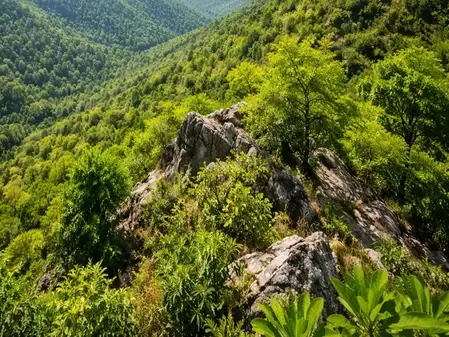
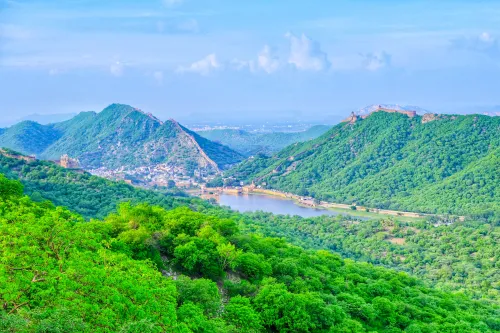
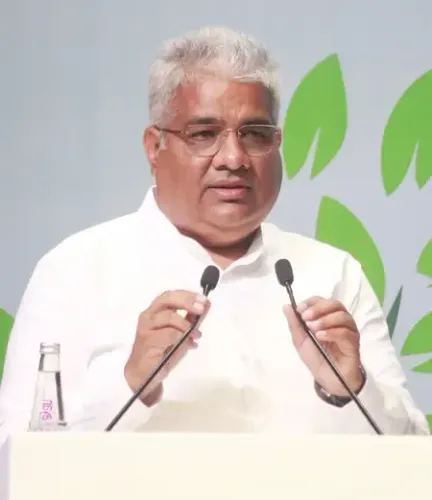
The Aravalli range, spread across Rajasthan, Haryana, Delhi and Gujarat, has come under sustained pressure from mining activity and environmental degradation. In March, Union Environment Minister Bhupender Yadav told the Rajya Sabha that the Centre was “fully committed to conserving the Aravalli mountain range” and would extend complete cooperation to the court, citing initiatives such as the Aravalli Green Wall Project covering 29 districts.
What's next
The HPC is expected to deliver its findings by 31 August, ahead of the next hearing on 7 September. Its recommendations could reshape how India legally delineates one of its oldest mountain systems — and decide whether regulated mining can co-exist with ecological continuity in the gaps between hill formations.
Point of View
And the Aravallis are a textbook case of ecological continuity broken up by low-lying gaps that mining interests have long eyed. By kicking the definition to a scientific panel, the court has bought time and credibility, but it has also delayed protective clarity in a range already scarred by illegal quarrying. The real test will be whether the HPC's framework treats ecological connectivity, not just elevation, as the operative principle. If it does not, the next round of litigation is inevitable.
NationPress
18 Oct 2026
Frequently Asked Questions
Why has the Supreme Court formed an expert panel on the Aravalli Hills?
The Supreme Court constituted a five-member High-Powered Committee to scientifically reassess the definition and demarcation of the Aravalli Hills and Ranges. The Bench led by CJI Surya Kant wanted subject-matter experts to evaluate the ecological and environmental implications of the parameters used to identify the range, especially given its fragile ecosystem.
Who heads the High-Powered Committee on the Aravallis?
The Director General of the Indian Council of Forestry Research and Education (ICFRE) has been named ex officio Chairperson of the panel. Members include Dr Subhash Ashutosh, Dr Rajendra Kumar Sharma, Brij Mohan Singh Rathore and Prof. Ashok K. Bhatnagar, with two special invitees from IIHS and Central University of Haryana.
When will the committee submit its report?
The committee has been directed to submit its report by 31 August 2026. The Supreme Court will take up the matter for further hearing on 7 September, after reviewing the panel's findings.
What was the earlier Aravalli definition that triggered the review?
An earlier framework classified only landforms with an elevation of 100 metres or more as Aravalli hills. The court kept that definition in abeyance in December 2024 after concerns that it could leave large, ecologically connected areas outside the protective framework.
Which states does the Aravalli range cover?
The Aravalli range spans Rajasthan, Haryana, Delhi and Gujarat. The Centre has highlighted initiatives such as the Aravalli Green Wall Project, which covers 29 districts linked to the range, as part of conservation efforts.