SC stays Madras HC order on govt jobs for Karur stampede kin

Synopsis
The Supreme Court has stepped in to protect government jobs given to families of 41 people killed in the Karur stampede — overturning, at least temporarily, a Madras High Court ruling that called the move unconstitutional. The case now sets up a landmark test of how far state governments can stretch compassionate employment law in the wake of public tragedies.
Key Takeaways
The Supreme Court on 14 August stayed the Madras High Court order that had quashed government jobs for kin of Karur stampede victims.
A bench of Justice J.B.
Pardiwala and Justice K.
Vinod Chandran passed the interim order, questioning the challenge to the state's decision.
The Madurai Bench of the Madras HC had on 27 July ruled the appointments unconstitutional, saying compassionate employment cannot be used as a general disaster-relief measure.
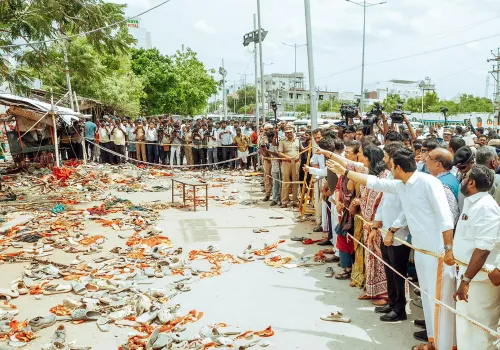
The Karur stampede of September 2025 , during a TVK rally led by actor-politician Vijay , killed 41 people — including 8 children — and injured 46 others .
Nearly 30,000 people had gathered; Vijay arrived over 6 hours late , reportedly triggering the deadly overcrowding.
The Supreme Court's final ruling could set a national precedent on the scope of compassionate appointments after public tragedies.
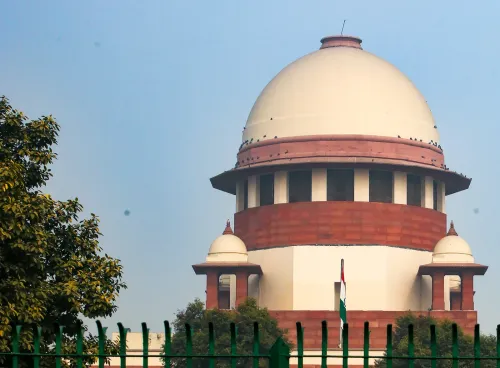
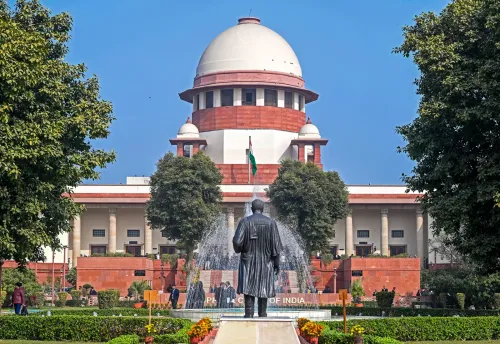
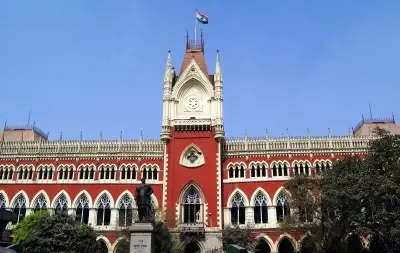
The Supreme Court on Friday, 14 August stayed a Madras High Court order that had struck down the Tamil Nadu government's decision to grant government jobs to family members of those killed in the Karur stampede of September 2025. The interim stay offers significant relief to the state as it continues to defend its compassionate appointment policy before the apex court.
What the Supreme Court Said
A bench of Justice J.B. Pardiwala and Justice K. Vinod Chandran passed the interim order while hearing the Tamil Nadu government's petition challenging the High Court verdict. The bench questioned the rationale behind challenging the state's humanitarian gesture, remarking: 'What is the problem with the state giving employment to the victims of a tragedy?'
Senior advocates Abhishek Manu Singhvi and Mukul Rohatgi represented the Tamil Nadu government before the court.
What the Madras High Court Had Ruled
The Madurai Bench of the Madras High Court had, on 27 July, struck down the state's compassionate appointment orders. The High Court held that such appointments are constitutionally intended to provide immediate financial relief to families of government employees who die in service — and cannot be extended as a broader rehabilitation measure following a public tragedy. The Tamil Nadu government moved the Supreme Court shortly after, arguing the decision was a legitimate exercise of state authority in the face of an extraordinary human tragedy.
The Karur Stampede: Background
The stampede occurred during a public rally led by Tamilaga Vettri Kazhagam (TVK) leader and actor-politician Vijay in Karur in September 2025. According to officials, Vijay was scheduled to arrive around noon but reached the venue only after 6 pm, causing a massive buildup of supporters. With nearly 30,000 people reportedly gathered, severe overcrowding triggered the stampede, which claimed 41 lives — including eight children — and left 46 others injured.
Why This Case Matters
The legal dispute goes to the heart of how far a state government can go in extending compassionate employment beyond its traditional scope. Compassionate appointments in India have historically been restricted to dependants of deceased government servants, making the Tamil Nadu government's decision to extend the benefit to stampede victims' families a legally contested move. Notably, this is not the first time a state's disaster-relief employment measure has faced judicial scrutiny — similar challenges have arisen in flood and fire tragedy cases across other states.
What Happens Next
With the Supreme Court's interim stay now in place, the families of the 41 victims retain access to the government jobs pending a final hearing. The court is expected to take up the matter for detailed arguments in the coming weeks. The outcome could set a broader precedent on the permissible scope of compassionate appointments in India.
Point of View
But the legal question is genuinely hard. Compassionate appointment law in India has always been tightly scoped to government servants' families for good constitutional reasons: unlimited extension risks becoming patronage dressed as relief. The real accountability question that mainstream coverage is underplaying is why the Karur rally was allowed to proceed with 30,000 attendees when the guest of honour arrived six hours late — and whether the state's generosity toward victims is also a quiet acknowledgement of administrative failure that day.
NationPress
28 Sept 2026
Frequently Asked Questions
Why did the Supreme Court stay the Madras High Court order on Karur stampede jobs?
The Supreme Court stayed the Madras High Court's 27 July order because the Tamil Nadu government challenged it, arguing the compassionate appointments were a legitimate humanitarian response to the September 2025 Karur stampede. The bench of Justice J.B. Pardiwala and Justice K. Vinod Chandran questioned why the state's decision to help bereaved families was being contested.
What was the Karur stampede and when did it happen?
The Karur stampede occurred in September 2025 during a public rally organised by Tamilaga Vettri Kazhagam (TVK), led by actor-politician Vijay. Nearly 30,000 supporters gathered, but Vijay arrived over six hours late, causing severe overcrowding that killed 41 people — including eight children — and injured 46 others.
Why did the Madras High Court strike down the compassionate appointments?
The Madurai Bench of the Madras High Court held on 27 July that compassionate employment is constitutionally meant to provide immediate financial relief to families of government employees who die in service. It ruled the benefit cannot be extended as a general rehabilitation measure following a public tragedy, making the Tamil Nadu government's order unconstitutional.
Who are the lawyers representing Tamil Nadu in the Supreme Court?
Senior advocates Abhishek Manu Singhvi and Mukul Rohatgi appeared on behalf of the Tamil Nadu government before the Supreme Court in this case.
What is the significance of the Supreme Court's final ruling in this case?
The Supreme Court's eventual decision could set a national precedent determining how far state governments can extend compassionate appointment benefits beyond the families of deceased government servants. It will define whether states can use such appointments as a disaster-relief tool in cases of large-scale public tragedies.