Swamy flags SC stay on Madras HC board for Nataraja Temple
Synopsis
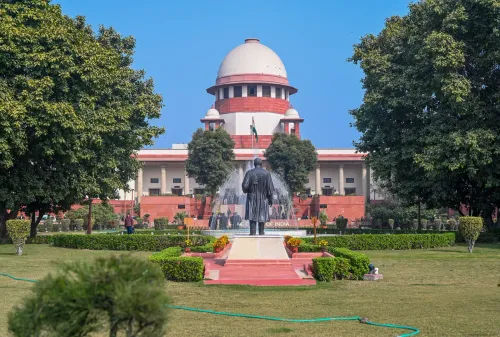
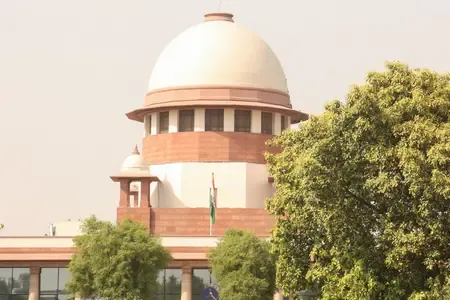
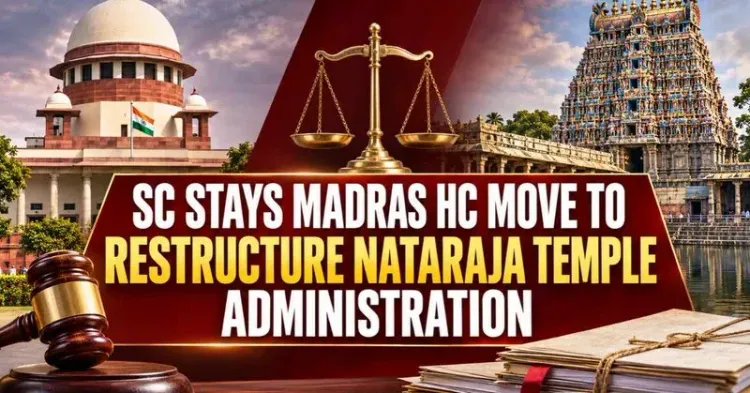
The Supreme Court of India has stayed a Madras High Court order constituting an administrative board for the ancient Lord Nataraja Temple in Chidambaram, reigniting the debate over state control versus traditional Dikshitar custodianship of Hindu temples in Tamil Nadu.
Key Takeaways
The Supreme Court of India stayed a Madras High Court order that sought to constitute a board for administering the Lord Nataraja Temple in Chidambaram .
The temple has been traditionally managed by the Dikshitar community, a hereditary order of priests who claim customary administrative rights.
The Tamil Nadu Hindu Religious and Charitable Endowments Act, 1959 empowers the state to place temples under government-appointed boards — the central law in dispute.
Subramanian Swamy flagged the Supreme Court stay on November 5, 2026 , highlighting its importance for temple autonomy advocates.
The final administration structure of the Chidambaram temple and a possible Tamil Nadu legislative response remain to be watched.
A quiet but consequential legal intervention at the top of India's judiciary has put the future governance of one of South India's most sacred shrines back in the balance. The Supreme Court of India has stayed a Madras High Court order that sought to constitute an administrative board for the Lord Nataraja Temple in Chidambaram, Tamil Nadu — and veteran politician Dr. Subramanian Swamy flagged the development on Thursday, November 5, 2026, drawing attention to its significance for temple autonomy across the country.
The Chidambaram temple and its centuries-old custodians
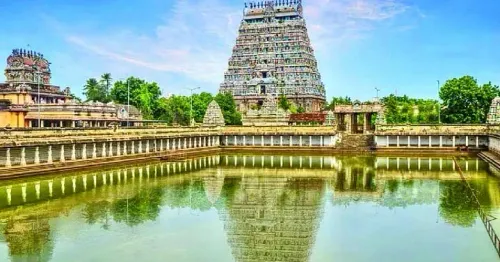
The Chidambaram Nataraja Temple is no ordinary place of worship. Dedicated to Lord Shiva in his cosmic dance form, it is among the most ancient and architecturally magnificent temples in Tamil Nadu — and its administration has, for centuries, rested with the Dikshitar community, a hereditary order of priests who regard temple governance as an inseparable part of their sacred duty. That traditional claim is precisely what state-appointed administrative boards have repeatedly threatened to displace.
The Madras High Court had moved to constitute such a board — the specific order now stayed by the Supreme Court. The apex court's intervention signals that the highest judicial authority is not yet satisfied that such a board can be installed without further examination of the competing legal and religious claims at stake.
Tamil Nadu's HR&CE framework and the long shadow of state control
The legal backdrop here runs deep. The Tamil Nadu Hindu Religious and Charitable Endowments Act, 1959, handed the state's HR&CE department sweeping powers to oversee temple administration — placing hundreds of temples under government-appointed trustees and boards. Critics have long argued this arrangement marginalises traditional custodians and diverts temple funds away from religious purposes. Defenders counter that it curbs corruption and ensures public accountability.
The Chidambaram dispute is the sharpest expression of that tension. The Dikshitars have fought repeated legal battles to assert their customary rights, and courts have delivered a mixed record of rulings over decades. The Supreme Court has now pressed pause — but the fundamental question of who governs this ancient shrine remains wide open.
Why Dr. Swamy's signal matters
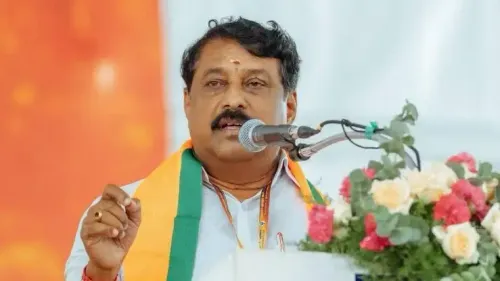
Dr. Subramanian Swamy, a former Union Minister and long-serving Rajya Sabha MP, has been among the most vocal advocates for freeing Hindu temples from state control — a position he has advanced through Parliament, public platforms, and the courts themselves. His amplification of this stay order is a marker of how the broader Hindu temple autonomy movement is tracking this case as a bellwether. If the Supreme Court ultimately strikes down the Madras HC board order, it could embolden similar challenges to HR&CE-administered temples across Tamil Nadu and other states.
The hearings that follow — on the final administration structure for the Chidambaram temple and any legislative response from the Tamil Nadu government — will be closely watched by temple communities, legal scholars, and rights activists alike.
India's oldest temples are also its most contested real estate. The Supreme Court's next move will say something important about where that contest is headed.
Point of View
Or unequal state control over Hindu institutions specifically. Dr. Swamy's prominence in amplifying this stay reflects a well-organised political and legal campaign that frames temple autonomy as a civil-rights issue, not merely a religious one. How the Supreme Court rules on the merits could set precedent affecting hundreds of HR&CE-administered temples across southern India. A ruling favouring the Dikshitars would significantly constrain the state's hand in future temple appointments.
NationPress
5 Nov 2026
Frequently Asked Questions
What is the Supreme Court stay on the Nataraja Temple about?
The Supreme Court of India has stayed a Madras High Court order that directed the constitution of an administrative board to manage the Lord Nataraja Temple in Chidambaram, Tamil Nadu — temporarily halting the board's formation while the apex court examines the matter.
Who are the Dikshitars and why are they important to the Chidambaram temple?
The Dikshitars are a hereditary community of priests who have traditionally administered the Chidambaram Nataraja Temple for centuries, claiming customary rights over its governance — rights they argue override state-appointed board authority.
What is Tamil Nadu's HR&CE Act and how does it affect temples?
The Tamil Nadu Hindu Religious and Charitable Endowments Act, 1959, gives the state government power to supervise and administer Hindu temples through appointed boards and commissioners, bringing hundreds of temples under state oversight.
Why did Dr. Subramanian Swamy highlight this Supreme Court stay?
Dr. Swamy is a long-standing advocate for freeing Hindu temples from state control; by flagging the SC stay he is drawing national attention to a case that could influence temple governance laws across India.
What happens next in the Chidambaram temple case?
The Supreme Court will hear the matter further to determine the final administration structure of the Chidambaram temple; the Tamil Nadu government may also consider legislative steps in response.