SC to hear plea on CEC Gyanesh Kumar's solo powers next week
Synopsis
A fresh Supreme Court petition alleges that CEC Gyanesh Kumar has been acting unilaterally in the name of a constitutional body designed to function collectively — backed, reportedly, by 14 written objections from his own colleagues filed over nearly a year. The court's decision to list the case signals that the question of who actually runs India's election machinery may soon get a judicial answer.
Key Takeaways
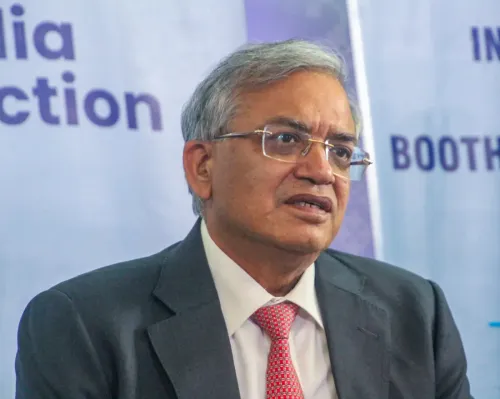
The Supreme Court agreed on 29 September 2026 to list for hearing next week a petition challenging the individual exercise of powers by CEC Gyanesh Kumar .
The plea argues that Article 324 of the Constitution vests electoral authority in the ECI as a body, not in a single Commissioner.
Election Commissioners Sukhbir Singh Sandhu and Vivek Joshi allegedly filed at least 14 objections between October 2025 and August 2026 over decisions taken without their approval.
Objections reportedly cover orders issued without full Commission approval, foreign travel, changes to Form 6 , electoral roll database access, and West Bengal tribunal filings.
The ECI has denied any institutional rupture, saying differences are part of normal deliberative process and that key decisions were unanimous.
The petitioner seeks a quo warranto writ and directions for mandatory compliance with the collective decision-making framework under the 2023 Act .
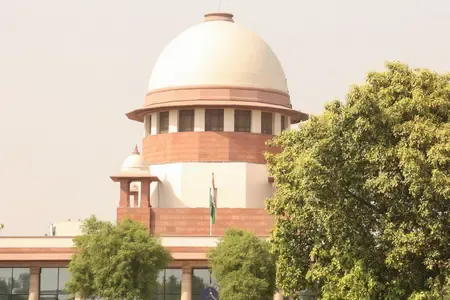
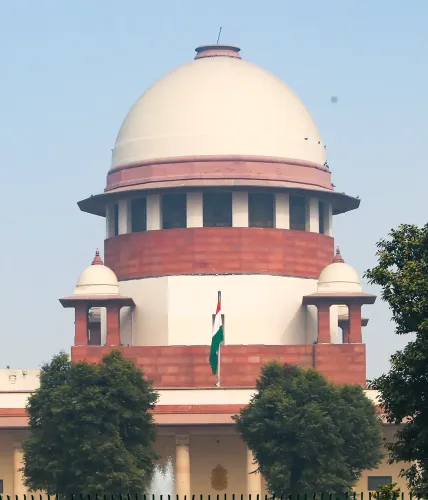
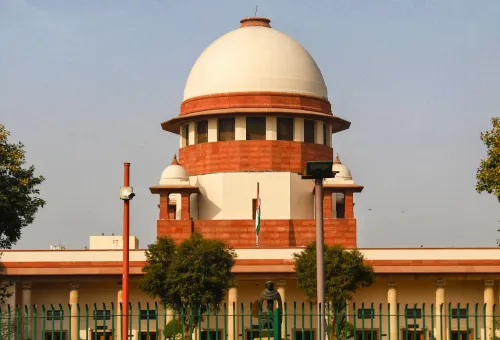
The Supreme Court on Tuesday, 29 September 2026, agreed to list for hearing next week a fresh petition challenging whether Chief Election Commissioner (CEC) Gyanesh Kumar can individually exercise or represent powers constitutionally vested in the multi-member Election Commission of India (ECI). The matter was mentioned before Chief Justice of India (CJI) Surya Kant by senior advocate Vikas Singh, who responded: 'List it next week.'
What the Petition Argues
The plea contends that Article 324 of the Constitution vests superintendence, direction, and control of elections in the 'Commission' as a body — not in an individual Chief Election Commissioner. It also invokes Section 18 of the Chief Election Commissioner and Other Election Commissioners (Appointment, Conditions of Service and Term of Office) Act, 2023, which mandates collective decision-making, with matters lacking unanimity to be resolved by majority vote.
The petition seeks enforcement of this collective framework and a writ in the nature of quo warranto — a legal instrument questioning the authority under which the CEC has reportedly acted in the Commission's name.
The 14 Objections at the Core
Central to the petition are written communications and file notings attributed to Election Commissioners Sukhbir Singh Sandhu and Vivek Joshi, who allegedly recorded at least 14 objections between October 2025 and August 2026. These concern decisions and steps allegedly taken in the ECI's name without their approval.
The objections reportedly cover: communications and orders allegedly issued without the full Commission's approval; the absence of agendas before meetings and minutes afterwards; foreign travel undertaken without approval; changes to Form 6; access to the electoral roll database; and filing of appeals before tribunals in West Bengal. The two Commissioners also allegedly raised concerns over the 'gradual centralisation of the electoral roll database' and changes to the IT establishment's work allocation.
What the ECI Has Said
The Election Commission of India has maintained that the reported differences between Commissioners do not amount to an institutional 'rupture'. The poll panel has stated that internal objections and written notes are established mechanisms within a multi-member constitutional body, and that its decisions — including those relating to the Special Intensive Revision (SIR) exercise — were unanimous. It characterises the differences raised as part of the normal deliberative and administrative process.
Relief Sought and What Comes Next
The petitioner has sought a declaration that powers under Article 324 cannot be exercised or represented as an act of the ECI except in accordance with the constitutional and statutory framework. Additional reliefs include mandatory directions for compliance with the collective decision-making framework and production and preservation of records concerning the disputed decisions.
The case is set to be heard next week, and the Supreme Court's response could have far-reaching implications for how India's apex electoral authority operates — and whether the principle of collegiate decision-making in constitutional bodies can be judicially enforced.
Point of View
Allegedly from sitting Commissioners, is not routine noise; it is an internal audit trail. The Supreme Court's willingness to list the case is telling — the judiciary may be signalling that collegiate functioning of constitutional bodies is not merely a procedural courtesy but an enforceable obligation. If the court rules on the merits, it could reset the operational norms of the ECI at a moment when electoral credibility is already under intense scrutiny.
NationPress
29 Sept 2026
Frequently Asked Questions
What is the Supreme Court petition about CEC Gyanesh Kumar?
The petition challenges whether Chief Election Commissioner Gyanesh Kumar can individually exercise or represent powers that the Constitution vests in the Election Commission of India as a collective body. It invokes Article 324 and Section 18 of the 2023 ECI Act, and seeks a quo warranto writ questioning his authority to act unilaterally in the Commission's name.
What are the 14 objections raised by Election Commissioners?
Election Commissioners Sukhbir Singh Sandhu and Vivek Joshi allegedly recorded at least 14 objections between October 2025 and August 2026. These reportedly concern orders issued without full Commission approval, absence of meeting agendas and minutes, unapproved foreign travel, changes to Form 6, electoral roll database access, and appeals filed before West Bengal tribunals.
What is Article 324 and why does it matter here?
Article 324 of the Constitution vests the superintendence, direction, and control of elections in the 'Election Commission' — meaning the body collectively, not the CEC alone. The petitioner argues this constitutional mandate requires collective decision-making, which is reinforced by Section 18 of the Chief Election Commissioner and Other Election Commissioners Act, 2023.
What has the Election Commission said in response?
The ECI has stated that reported differences between Commissioners do not constitute an institutional rupture and that internal objections are standard mechanisms in a multi-member body. It has also said its key decisions, including those on the Special Intensive Revision exercise, were taken unanimously.
When will the Supreme Court hear this case?
The Supreme Court agreed on 29 September 2026 to list the petition for hearing next week, after Chief Justice of India Surya Kant directed it to be scheduled following a mention by senior advocate Vikas Singh.