SC to hold special Sunday sitting on contempt plea over Delhi Metro protest curbs
Synopsis
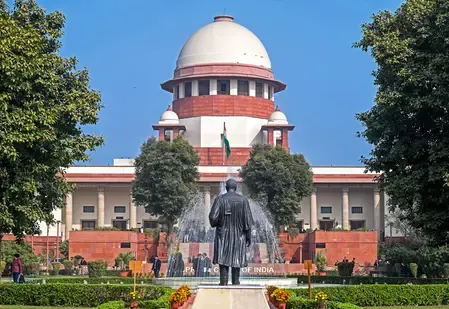
The Supreme Court is convening a rare Sunday special sitting after advocate Shailendra Mani Tripathi filed a contempt petition alleging that Delhi Police and the DMRC shut 45 Metro stations in defiance of the court's own Friday order — turning a protest-management dispute into a direct constitutional challenge over whether authorities can override apex court directions on public transport.
Key Takeaways
The Supreme Court is set to hold a special sitting on Sunday to hear a contempt petition over the blanket closure of Delhi Metro services.
Advocate Shailendra Mani Tripathi has sought contempt proceedings against Union Home Secretary Govind Mohan , Delhi Police Commissioner Anurag Kumar , and DMRC Chairperson D.
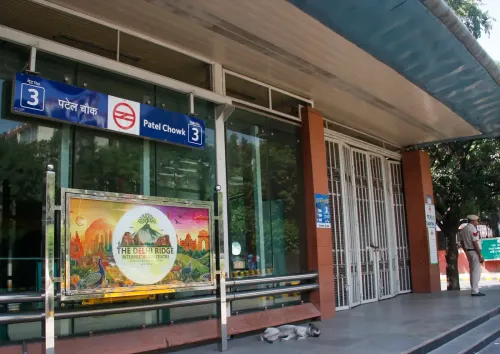
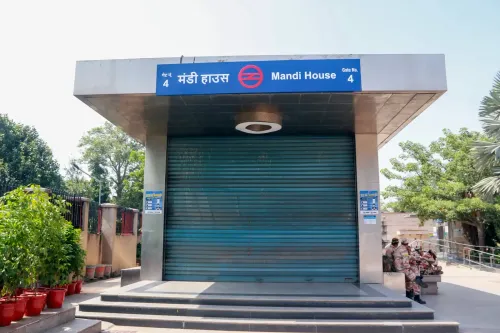
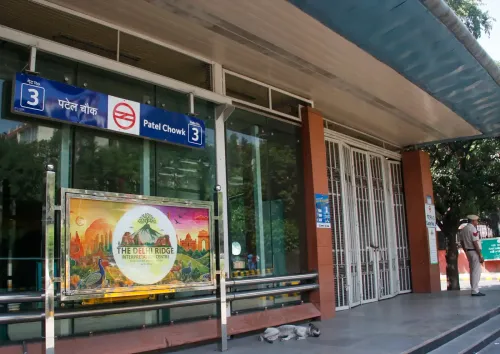
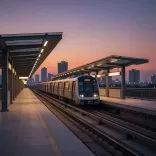
The DMRC allegedly shut entry and exit gates at 45 Metro stations , defying a Supreme Court order against complete service stoppages.
The Friday order was passed by a bench led by Chief Justice of India Surya Kant , expressly prohibiting a full Metro shutdown ahead of the protest.
The petitioner visited GTB Nagar and Vishwavidyalaya stations at around 9:30 pm and found gates shut; he claims to have video evidence.
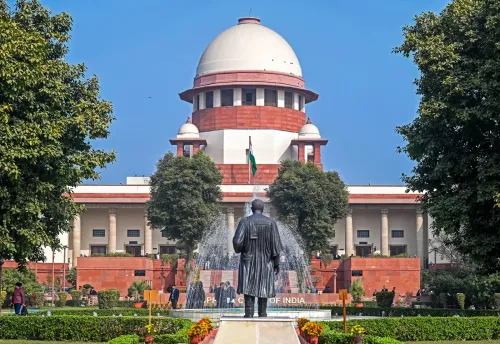
The Supreme Court is set to convene a special sitting on Sunday, 12 October 2026, to hear a contempt petition alleging that the blanket closure of Delhi Metro stations and suspension of train services — carried out to prevent the assembly of anti-Chief Election Commissioner protesters — violated a direct order of the apex court. The hearing is expected to be presided over by a bench of Justice Joymalya Bagchi and Justice V. Mohana, according to a lawyer associated with the matter.
The Contempt Petition
The petition has been filed by advocate Shailendra Mani Tripathi, who has sought initiation of contempt proceedings against three senior officials: Union Home Secretary Govind Mohan, Delhi Police Commissioner Anurag Kumar, and Delhi Metro Rail Corporation (DMRC) Chairperson D. Thara. The petitioner alleges that these officials failed to comply with directions issued by the apex court that expressly prohibited a complete stoppage of Metro services.
According to the plea, the DMRC announced the closure of entry and exit gates at 45 Metro stations across the national capital. Tripathi stated that he personally visited GTB Nagar and Vishwavidyalaya Metro stations at around 9:30 pm and found their entry gates shut, adding that he recorded the locked gates on video as evidence.
What the Supreme Court Had Ordered
The contempt petition follows an order passed by the Supreme Court on Friday, in which a bench led by Chief Justice of India Surya Kant, along with Justices Joymalya Bagchi and V. Mohana, explicitly directed that there should be no complete stoppage of Metro train services in connection with the proposed protest. The petition now contends that the subsequent actions of the Delhi Police and the DMRC directly contradicted those directions.
Impact on Commuters and Public Life
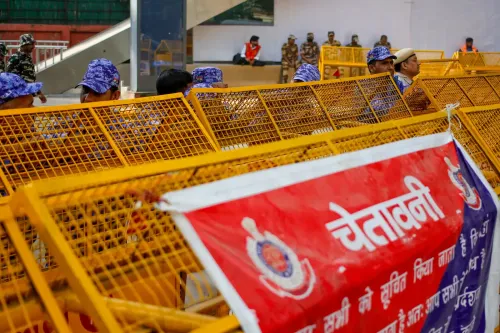
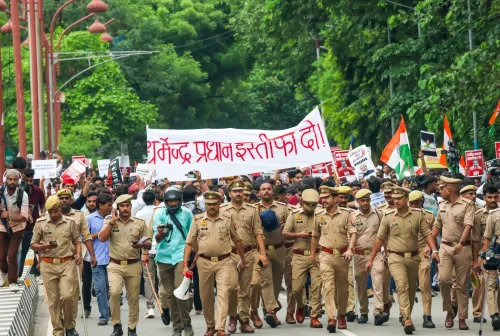
The petitioner contended that the alleged non-compliance crippled public life in New Delhi, with train services cancelled or curtailed and entry and exit gates at multiple stations shuttered. The plea also alleged that authorities failed to adequately publicise revised travel arrangements, leaving commuters stranded without prior notice. Notably, the petitioner visited Jantar Mantar at around 8:30 pm and reportedly found only police and paramilitary personnel at the protest site, with no protesters present at the time — raising questions, critics argue, about the proportionality of the restrictions imposed.
Background and Broader Significance
This is not the first time that protest-related restrictions on Delhi Metro have drawn legal scrutiny. The use of Metro shutdowns as a crowd-control measure has been a recurring point of contention in the capital, with courts previously weighing in on the balance between security imperatives and citizens' right to free movement and peaceful protest. The Sunday hearing is significant because a special sitting outside regular court hours signals the bench's view of the urgency of the matter.
The outcome of the hearing could set a precedent on how far authorities can lawfully restrict public transport infrastructure to manage political demonstrations, and whether the Supreme Court will treat the alleged breach as wilful defiance of its order. All eyes will be on the bench's response when it convenes on Sunday.
Point of View
Yet the Metro gates remained locked, does raise a proportionality question that the bench will be hard-pressed to ignore. More broadly, the recurring use of Metro shutdowns as a first-resort crowd-control tool sits uneasily with the court's established jurisprudence on the right to peaceful assembly and free movement. Sunday's hearing will reveal whether the court is prepared to hold its own orders enforceable in real time — or whether contempt proceedings remain a slow-motion deterrent that offers no immediate remedy to citizens already affected.
NationPress
10 Oct 2026
Frequently Asked Questions
Why is the Supreme Court holding a special Sunday sitting on the Delhi Metro contempt petition?
The Supreme Court is convening a special sitting on Sunday because a contempt petition was filed alleging that Delhi Police and the DMRC shut 45 Metro stations in violation of the court's own Friday order, which expressly directed that there should be no complete stoppage of Metro services. The urgency of an alleged real-time breach of a court direction prompted the bench to schedule an out-of-hours hearing.
Who filed the contempt petition and against whom?
Advocate Shailendra Mani Tripathi filed the petition, seeking contempt proceedings against Union Home Secretary Govind Mohan, Delhi Police Commissioner Anurag Kumar, and DMRC Chairperson D. Thara for allegedly defying the Supreme Court's order against a blanket Metro shutdown.
What did the Supreme Court order on Friday regarding the protest?
A bench led by Chief Justice of India Surya Kant, with Justices Joymalya Bagchi and V. Mohana, directed on Friday that there should be no complete stoppage of Delhi Metro train services ahead of the proposed anti-CEC protest. The order was intended to protect commuters' right to public transport during the demonstration.
How many Metro stations were reportedly shut, and what evidence has the petitioner cited?
According to the plea, the DMRC announced closure of entry and exit gates at 45 Metro stations in the national capital. The petitioner states he personally visited GTB Nagar and Vishwavidyalaya stations at around 9:30 pm and found gates locked, and claims to have recorded video evidence of the closures.
What is the broader significance of this case for protest rights in India?
The case raises a significant constitutional question about how far authorities can restrict public transport infrastructure to manage political demonstrations — and whether doing so against an express Supreme Court order constitutes wilful contempt. A ruling in favour of the petitioner could deter future blanket Metro shutdowns as a crowd-control measure.