Delimitation: SC/ST seats will rise, not fall, say govt sources
Synopsis
Ahead of Monday's tabling of the Delimitation Bill, the Centre is pushing back on two fronts. Government sources say a 50% seat expansion will raise SC/ST reserved seats, not reduce them. They also accuse Rahul Gandhi of ignoring Assam's terrain and history in his gerrymandering charge. The exercise is expected to take about two-and-a-half years.
Key Takeaways
Government sources say the proposed 50 per cent increase in total seats will raise the number of SC/ST reserved constituencies.
According to the sources, SC and ST women will get proportional representation under the proposed framework.
The Delimitation Bill is set to be tabled in the Lok Sabha on Monday .
Sources rejected Rahul Gandhi's gerrymandering charge and said the exercise will take about two-and-a-half years , with public hearings.
Delimitation in Assam took place after 47 years , following completion of the NRC , according to the sources.
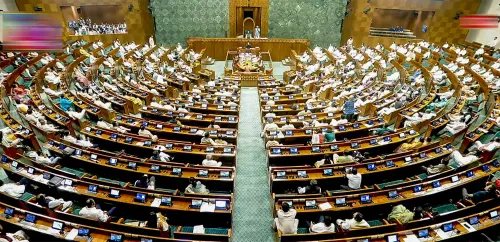
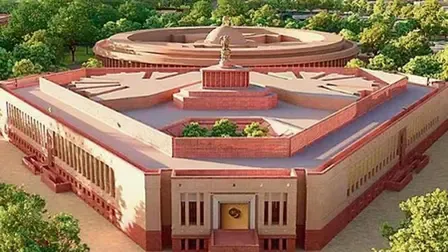
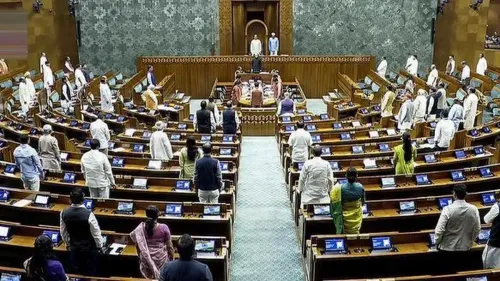
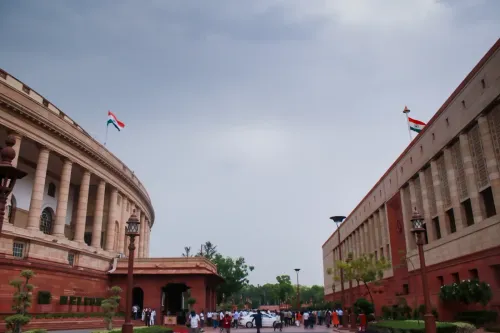
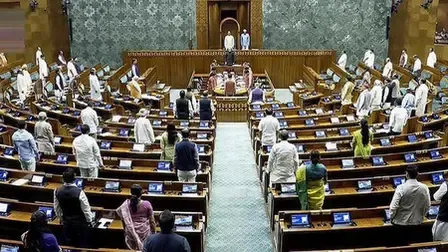
Government sources on Sunday rejected Opposition claims that the proposed delimitation exercise could cut the number of Scheduled Caste (SC) and Scheduled Tribe (ST) seats in the Lok Sabha and state Assemblies. They said the proposed 50 per cent increase in the total number of seats would instead raise the number of reserved constituencies for these communities. The pushback in New Delhi comes a day before the Delimitation Bill is set to be tabled in the Lok Sabha on Monday.
Key Developments on Reserved Seats
According to the sources, the proposed legislation provides for an increase in the overall number of seats. They said there is no question of SC/ST representation declining under the exercise, as the Opposition has alleged.
The sources said the expansion in the overall strength of Legislatures would carry through to the number of reserved seats. They also said that SC and ST women would receive proportional representation under the proposed framework, so that women from these communities also benefit from the expansion.
Government Rejects Gerrymandering Charge
The sources also strongly rejected Congress leader Rahul Gandhi's allegation that the Centre could use gerrymandering to manipulate constituency boundaries. They said the exercise would be elaborate and transparent, and would be strictly governed by constitutional provisions and established legal procedures.
The sources described delimitation as a constitutional requirement envisaged by B.R. Ambedkar. They said Ambedkar recognised that the exercise would be needed from time to time to ensure equitable representation and to uphold the principle that every citizen's vote carries equal value.
According to the sources, the process will involve extensive consultations, adherence to prescribed rules and regulations, and intensive public hearings before any final decision is taken. The entire exercise is expected to take around two-and-a-half years.
“How can such a detailed and meticulous process be used to illegally alter constituencies?” the sources asked, rejecting allegations of politically motivated manipulation.
The Assam and Jammu and Kashmir Context
Government sources accused Gandhi of misrepresenting the geographical realities of Assam and of failing to provide the historical and geographical context behind delimitation in the Northeastern state.
They said delimitation in Assam took place after a gap of 47 years. Immigration-related concerns and the agitation in the state were among the factors that delayed it. According to the sources, delimitation could be undertaken only after the National Register of Citizens (NRC) exercise was completed.
The sources said Assam's difficult terrain and connectivity challenges had to be considered while drawing boundaries. In several areas, places that look close on a map may require long, circuitous journeys because of terrain and poor connectivity.
The sources said similar considerations applied in Jammu and Kashmir, particularly in its hilly and remote areas. They accused Gandhi of presenting an incomplete picture of the exercise there as well.
Terrain Beyond Assam and J&K
The sources said such realities are not unique to these two regions. They pointed to Himachal Pradesh, Uttarakhand, Sikkim and Arunachal Pradesh, where mountainous terrain and accessibility constraints may also influence how constituencies are demarcated.
According to the sources, boundaries cannot be fixed on geographical distance alone. They said terrain, accessibility and connectivity must also be weighed to ensure effective representation.
What Happens Next
The government's response comes amid escalating political tension over the proposed legislation. Gandhi has questioned the Centre's intentions and alleged that delimitation could be used to influence electoral representation.
The sources maintained that the exercise would stay entirely within the constitutional framework, with transparency and public participation at every crucial stage. They said the Opposition's allegations were without basis.
With the Bill headed to the Lok Sabha on Monday, the debate over reserved seats, boundary-drawing and federal balance is expected to shape a contentious session ahead.
Point of View
The real fight is over proportions and where the lines are drawn, not raw counts. Defending the plan through unnamed sources rather than on-record ministers also weakens the transparency it promises. A two-and-a-half-year process with public hearings is reassuring on paper, but that credibility depends on an independent commission and published criteria. The southern states' anxiety about losing relative weight, which this rebuttal does not address, may prove the bigger political flashpoint.
NationPress
29 Nov 2026
Frequently Asked Questions
Will SC/ST seats decrease under the proposed delimitation exercise?
No, according to government sources, SC/ST seats will increase. They say the proposed 50 per cent rise in the total number of seats will be reflected in the number of reserved constituencies.
When will the Delimitation Bill be introduced?
The Delimitation Bill is set to be tabled in the Lok Sabha on Monday. Government sources say the full exercise is expected to take around two-and-a-half years.
What has Rahul Gandhi alleged about delimitation?
Congress leader Rahul Gandhi has alleged that the Centre could use gerrymandering to manipulate constituency boundaries and influence electoral representation. Government sources have rejected the charge, calling the process transparent and constitutionally governed.
Why was delimitation in Assam delayed for 47 years?
According to government sources, immigration-related concerns and the agitation in the state were among the factors that delayed delimitation in Assam. They said it could be undertaken only after the National Register of Citizens exercise was completed.
Will women from SC and ST communities benefit from delimitation?
Yes, government sources say SC and ST women will receive proportional representation under the proposed framework. This is meant to ensure that the expansion of legislatures also benefits women from these communities.