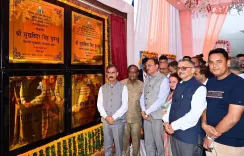
Bharat Taxi launch: Amit Shah warns rivals' loss-making fares will hurt their valuations
Synopsis
Home Minister Amit Shah used the Bharat Taxi launch in Gandhinagar to put rival ride-hailing platforms on notice: fare cuts funded by losses will show up on March 31 balance sheets and drag down valuations. The cooperative model, he argued, is the only structure that can offer drivers dignity, loans, and insurance — not just a temporary commission bump.
Key Takeaways
Amit Shah launched Bharat Taxi in Gandhinagar, Gujarat on 27 June 2025 .
He alleged rival platforms cut fares and raised driver commissions in markets where Bharat Taxi began operations.
Shah warned that loss-making competition would be reflected in rivals' March 31 balance sheets and depress their investor valuations.
He cited Amul , IFFCO , KRIBHCO , and NDDB as cooperatives that survived and grew despite private competition.
Bharat Taxi plans to offer members loans , insurance , and business expansion support beyond ride-hailing.
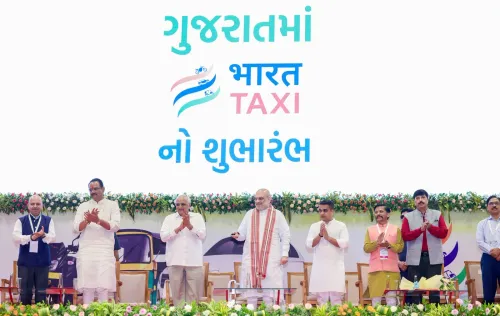
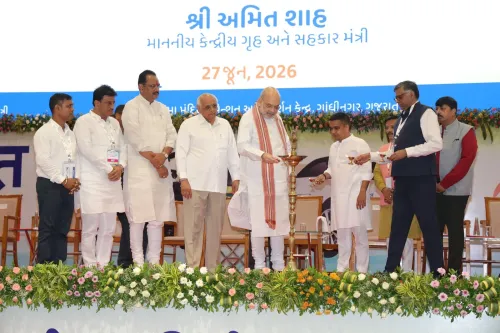
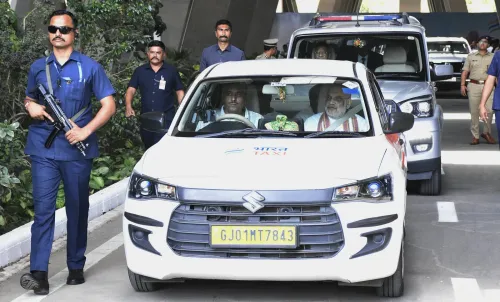
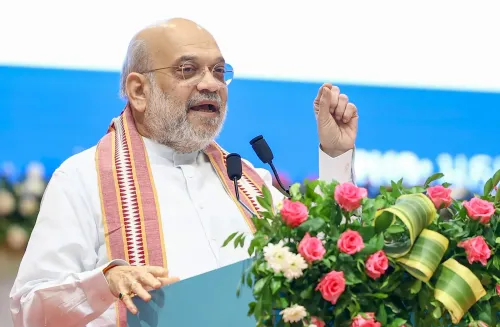
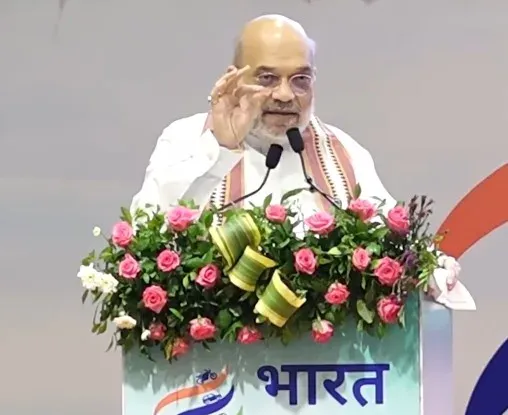
Union Home and Cooperation Minister Amit Shah on Saturday, 27 June warned that competing ride-hailing platforms cutting fares below sustainable levels to counter the newly launched Bharat Taxi cooperative would ultimately damage their financial performance and market valuations. Shah made the remarks while addressing the launch of Bharat Taxi in Gandhinagar, Gujarat, positioning the cooperative as a long-term alternative to profit-driven aggregators.
What Shah Said About Rival Platforms
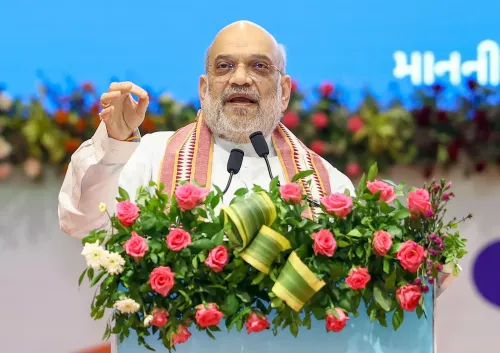
Shah alleged that established ride-hailing companies had responded to Bharat Taxi's entry into their markets by slashing fares and offering higher driver commissions — a strategy he described as unsustainable. 'If the competition is being carried out unfairly, with business being run at a loss, then everyone will see their balance sheets on March 31. Everyone will see them and will come to know,' he said.
He added that investor scrutiny would compound the problem. 'Those who are preparing for valuation will find that, because of this, their valuation itself will decline. And this is no rocket science. Balance sheets are publicly analysed in a critical manner,' Shah asserted.
Appeal to Drivers and Customers
Shah urged drivers — referred to as Sarathis — not to be swayed by short-term financial incentives offered by rival platforms. 'My request to all the Sarathis, and also to all the customers, is that for a consistent and long-lasting transport service, it is the responsibility of both the customers and the Sarathis to make Bharat Taxi successful. You stay committed, and Bharat Taxi will stand by you,' he said.
He framed the cooperative as a vehicle for dignity and financial security, saying it was built to end driver exploitation and eventually provide members with access to loans, insurance, and business expansion support.
Cooperative Model Versus Private Competition
Drawing on India's cooperative history, Shah cited Amul, IFFCO, KRIBHCO, and the National Dairy Development Board (NDDB) as examples of cooperatives that withstood private competition and continued to grow. 'Did Amul not have to face competition from private dairies? Did IFFCO, KRIBHCO and NDDB not have to face private organisations?' he asked, arguing that Bharat Taxi could follow the same trajectory.
He described Bharat Taxi as member-owned, saying: 'This cooperative belongs to you. This cooperative exists to stop your exploitation. This cooperative exists to give you respect. This cooperative exists to make you prosperous.'
What Bharat Taxi Promises Members
Beyond ride-hailing, Shah outlined an expanding benefits framework for Sarathis. The cooperative, he said, would in the coming months facilitate loans, provide insurance cover, and support business expansion — services he argued no profit-first company could replicate. He concluded by urging drivers to remain committed, saying the cooperative's future would rest on service quality, member participation, and long-term sustainability rather than short-term pricing wars.
Point of View
And he is right that it has a cost. But the harder question is whether Bharat Taxi can scale fast enough before that pricing pressure erodes its driver base. Amul succeeded because it controlled supply at source; a taxi cooperative controls nothing but the app. Driver loyalty in gig markets is notoriously thin, and a slightly higher weekly payout from a rival platform can undo months of cooperative messaging. The government's political capital behind Bharat Taxi is real, but political backing is not a substitute for product quality, surge pricing logic, and a seamless customer experience — areas where incumbents have a multi-year head start.
NationPress
25 Sept 2026
Frequently Asked Questions
What is Bharat Taxi and who launched it?
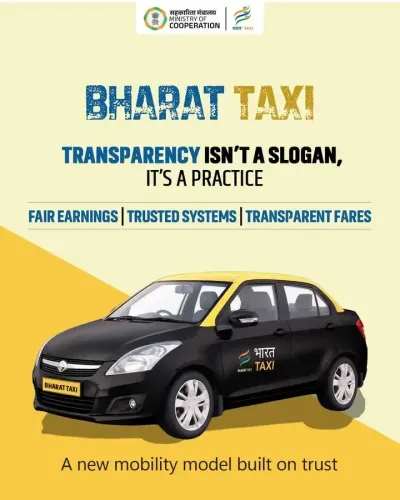
Bharat Taxi is a driver-owned cooperative ride-hailing platform launched by Union Home and Cooperation Minister Amit Shah in Gandhinagar, Gujarat on 27 June 2025 . It is structured as a cooperative, meaning drivers are members and owners rather than gig workers contracted to a private company.
Why did Amit Shah warn rival ride-hailing companies about their valuations?
Shah alleged that rival platforms responded to Bharat Taxi's launch by cutting fares below sustainable levels and raising driver commissions — a loss-making strategy. He argued such losses would appear on their March 31 balance sheets and reduce investor valuations, calling it 'no rocket science.'
Which cooperatives did Amit Shah compare Bharat Taxi to?
Shah cited Amul , IFFCO , KRIBHCO , and the National Dairy Development Board (NDDB) as cooperatives that faced intense private competition but grew sustainably under the cooperative model, suggesting Bharat Taxi could follow the same path.
What additional benefits will Bharat Taxi offer drivers?
Beyond ride-hailing income, Bharat Taxi plans to help Sarathis access loans , provide insurance cover , and support business expansion . Shah said no profit-driven company could offer this full range of member-centric services.
Who are 'Sarathis' in the context of Bharat Taxi?
'Sarathis' is the term used by Bharat Taxi for its driver-members. Shah directly addressed them at the launch, urging them to stay committed to the cooperative and not be lured away by short-term incentives from rival platforms.