Amit Shah Announces Historic Northeast Peace Agreement
Synopsis
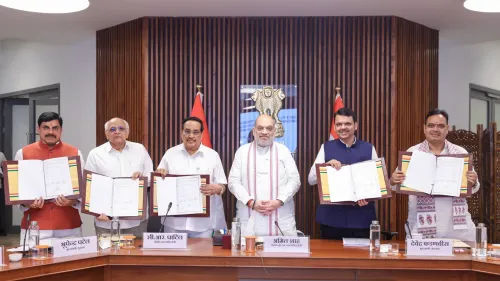
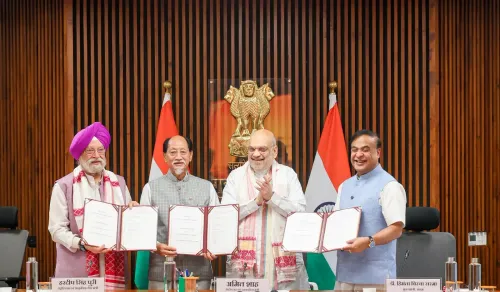
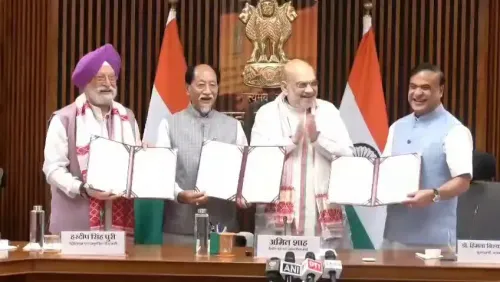
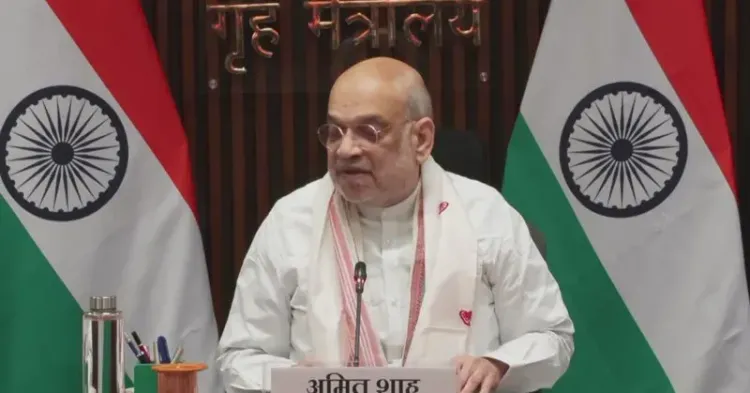
Union Home Minister Amit Shah announced on June 11, 2026 the signing of a historic agreement in New Delhi to resolve a long-pending issue in Northeast India, continuing the current administration's accelerated push for negotiated peace settlements across the conflict-affected region.
Key Takeaways
Union Home Minister Amit Shah announced the signing of a historic agreement addressing a long-pending Northeast India issue on June 11, 2026 .
The signing took place in New Delhi , with Shah speaking at the event.
The accord continues the Home Ministry's pattern of negotiated peace settlements in the Northeast, following the Bodo Peace Accord (2020) and the ULFA tripartite agreement (2023) .
Such agreements typically combine political autonomy provisions with development commitments and rehabilitation packages for former cadres.
Implementation details, including any associated development packages and legislative changes, are expected to be announced in the coming weeks.
Parliament's upcoming monsoon session may see further disclosures or ratification of related measures.
Union Home Minister Amit Shah on Thursday, June 11, 2026, announced the signing of a historic agreement aimed at resolving a long-pending issue concerning Northeast India, addressing the region in remarks delivered in New Delhi. Shah described the accord as bringing closure to another chapter of unresolved grievances that have defined the Northeast's political landscape for decades.
Context
The Northeast has long been the site of ethnic, territorial, and autonomy-related conflicts, many rooted in the post-independence reorganisation of the region's borders and communities. Successive governments have pursued negotiated settlements with armed groups as the primary mechanism for restoring peace, with the current administration intensifying that approach under the direct stewardship of the Home Ministry.
Shah's announcement follows a pattern of high-profile accords under his tenure, including the Bodo Peace Accord of 2020, which created the Bodoland Territorial Region in Assam and ended one of the region's longest-running insurgencies. A further tripartite agreement with ULFA in 2023 addressed sovereignty-related demands and included provisions for the rehabilitation of former cadres.
Policy Backdrop
The Home Ministry has positioned negotiated peace as a cornerstone of its Northeast policy, combining political autonomy provisions with structured development commitments. Each accord has typically involved tripartite negotiations between the central government, the relevant state government, and the armed or separatist organisation concerned.
These settlements are designed not merely to end violence but to integrate former insurgents into mainstream governance and economic life. The current administration has frequently cited the declining number of active insurgencies in the region as evidence of the approach's effectiveness.
Stakeholders and Impact
Communities across the eight states of Northeast India stand to benefit from reduced conflict and the development packages that typically accompany such agreements. Former militants and their families are among the most directly affected, as rehabilitation provisions govern their transition to civilian life.
State governments in the region are also key stakeholders, as accords often involve transfers of administrative or legislative authority and require coordinated implementation at the state level. The agreement announced by Shah is expected to carry similar multi-layered implications for governance in the affected area.
What's Next
Attention will now turn to the rollout of any associated development packages and any legislative amendments required to give effect to the agreement's provisions. Parliament's monsoon session is a likely forum for further disclosures or ratification of related measures.
The Home Ministry's track record suggests that implementation committees and timelines will be announced in the coming weeks, with rehabilitation of cadres and infrastructure commitments forming the core of the post-accord agenda. The agreement adds to a growing list of Northeast settlements that the current government is likely to highlight as a governance achievement.
Point of View
Home Ministry-led effort to systematically close out Northeast India's unresolved conflicts before the next electoral cycle, lending the government a tangible peace-dividend narrative. The acceleration of accords since 2020 reflects a strategic choice to use negotiated settlements as both a security tool and a political signal of administrative competence in a region long treated as peripheral. Each agreement raises the bar for implementation: the credibility of future accords depends heavily on whether earlier ones — Bodo, ULFA — have delivered on their development and rehabilitation commitments. The June 2026 agreement will be watched closely to see whether it follows the established template or introduces new governance architecture for the Northeast.
NationPress
19 Sept 2026
Frequently Asked Questions
What is the historic Northeast agreement Amit Shah signed in June 2026?
Union Home Minister Amit Shah announced the signing of a historic peace agreement on June 11, 2026 in New Delhi to resolve a long-pending issue in Northeast India. The specific parties and terms of the agreement are expected to be disclosed through official government communications following the signing.
What other peace accords has Amit Shah signed for Northeast India?
Under Amit Shah's tenure as Home Minister, major accords include the Bodo Peace Accord of 2020, which created the Bodoland Territorial Region in Assam, and a 2023 tripartite agreement with ULFA that addressed sovereignty demands and included cadre rehabilitation provisions.
What does a Northeast peace accord typically include?
Northeast peace accords negotiated by the Home Ministry typically combine political autonomy provisions — such as the creation of territorial councils — with structured development packages and rehabilitation programmes for former militants transitioning to civilian life.
How many peace agreements has the current government signed with Northeast groups?
The current administration has signed several significant agreements, including the Bodo accord in 2020 and the ULFA settlement in 2023, and has cited a declining number of active insurgencies as evidence of progress. The June 2026 agreement adds to this list.
What happens after a Northeast peace accord is signed?
After signing, implementation committees are typically constituted and timelines announced for development packages, legislative changes, and cadre rehabilitation. Parliament's monsoon session often serves as a forum for further disclosures or ratification of related measures.