Amit Shah: Assam-Nagaland MoU ends decades-long dispute
Synopsis
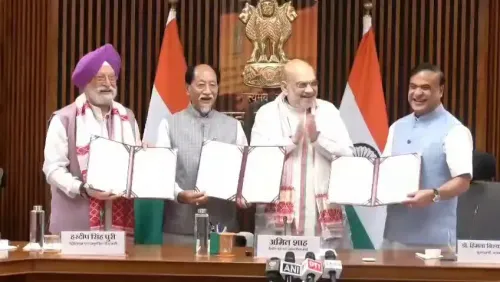
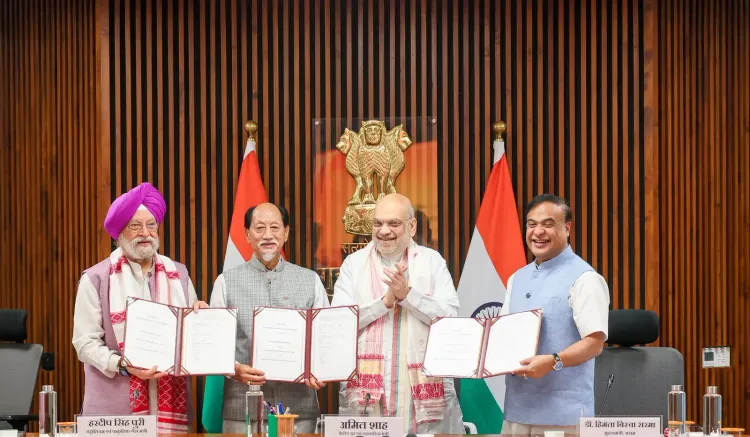
The governments of India, Assam and Nagaland have signed a tripartite MoU ending a decades-long interstate dispute, unlocking oil and gas exploration in the Northeast. Union Home Minister Amit Shah called it an exemplar of India's unity and a step toward PM Modi's vision of energy independence.
Key Takeaways
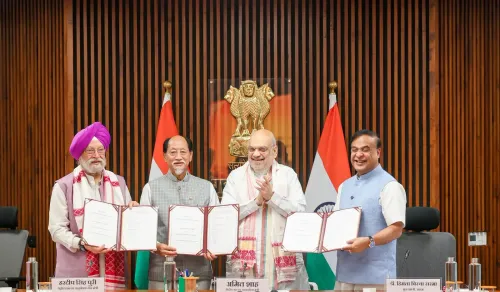
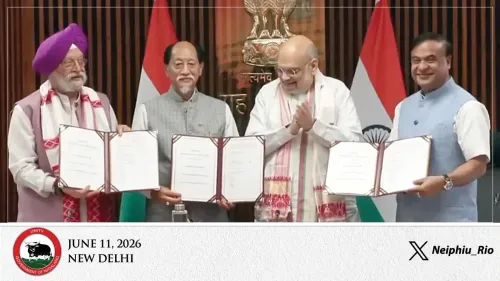
A tripartite MoU has been signed by the Government of India, Government of Assam , and Government of Nagaland , ending a decades-long interstate dispute.
The agreement clears the path for oil and gas exploration in areas previously inaccessible due to the unresolved border conflict.
Union Home Minister Amit Shah described the MoU as 'an exemplar of India's unity.' The deal aligns with the Hydrocarbon Exploration and Licensing Policy (HELP) notified in 2016 to promote exploration in Northeast onshore blocks.
The next steps include licensing rounds for the formerly disputed blocks and any required state or central regulatory clearances.
The agreement may serve as a template for resolving other legacy border disputes across the Northeast.
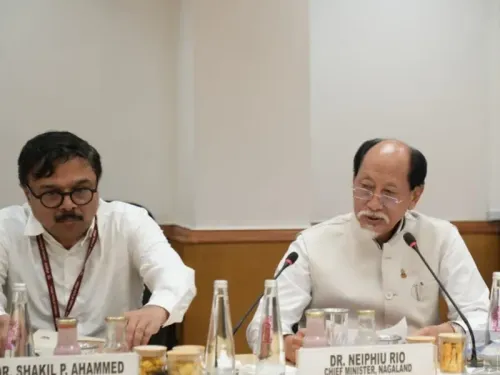
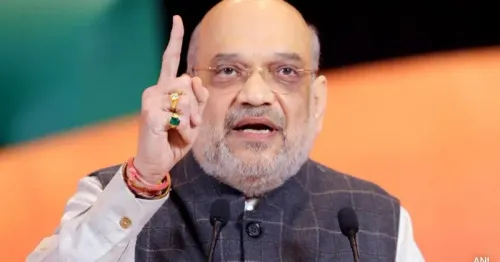
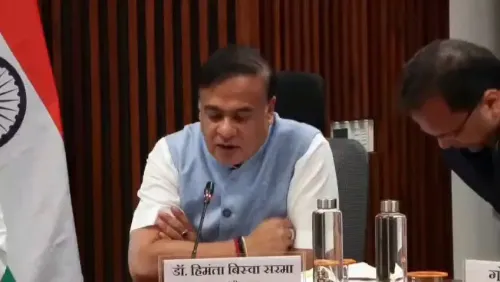
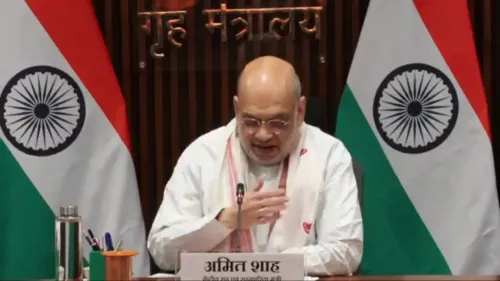
Union Home Minister Amit Shah announced on Friday, June 12, 2026 that the Government of India, the Government of Assam, and the Government of Nagaland have signed a historic tripartite Memorandum of Understanding, bringing an end to a decades-long interstate dispute in the Northeast and clearing the path for oil and gas exploration in the region.
Context
Shah described the agreement as 'an exemplar of India's unity,' noting that both states have set aside long-standing territorial disagreements in pursuit of a shared national goal. The MoU, he said, opens the way for hydrocarbon exploration in areas that were previously inaccessible due to the unresolved border conflict between the two states. He framed the development as a realisation of Prime Minister Narendra Modi's vision for an energy-independent India.
Assam and Nagaland have maintained a contested boundary since Nagaland was carved out as a separate state in 1963. The dispute has historically prevented systematic oil and gas exploration in blocks that straddle or abut the contested zone, leaving potentially significant hydrocarbon reserves untapped for decades.
Policy Backdrop
The agreement builds on the Centre's Hydrocarbon Exploration and Licensing Policy (HELP), notified in 2016, which was designed to streamline exploration licensing and encourage activity across onshore blocks, including those in the Northeast. Interstate boundary friction had been one of the principal practical barriers to operationalising that policy in this corridor.
Central facilitation of interstate boundary and resource agreements has been a recurring instrument of governance in the Northeast since the 1990s. Successive administrations have linked such settlements to broader energy security objectives, arguing that reducing import dependence on hydrocarbons requires unlocking domestic reserves — including those in the region's sedimentary basins.
Stakeholders and Impact
The most immediate beneficiaries of the MoU are oil and gas companies — both public-sector undertakings and private operators — that have sought exploration rights in blocks affected by the dispute. With the interstate disagreement formally addressed at the governmental level, licensing rounds for the formerly disputed blocks can now proceed without the legal and administrative ambiguity that previously deterred investment.
Residents of both Assam and Nagaland stand to gain from royalty revenues, employment, and infrastructure development that typically accompany large-scale energy projects. The Northeast, long described as India's 'energy frontier,' has seen renewed policy attention as domestic production has struggled to keep pace with consumption growth nationally.
The agreement also carries symbolic weight for the broader project of resolving legacy border disputes across the Northeast. Assam has active or recently settled boundary questions with several of its neighbours, and a successful MoU of this nature could serve as a template for similar arrangements.
What's Next
The practical rollout of exploration activity will depend on the completion of licensing rounds for the newly accessible blocks, along with any regulatory or legislative clearances required at both the state and central levels. Industry observers will watch whether the MoU is followed swiftly by formal block auctions under the HELP framework or a successor licensing mechanism.
The political test will be whether both state governments can sustain the agreement through implementation, particularly as exploration activity moves from policy commitment to ground-level operations in communities along the previously contested boundary.
Point of View
The Home Ministry has removed a structural barrier that had stalled the HELP policy's reach into some of the region's most promising sedimentary blocks. The framing of the deal as an act of cooperative federalism, rather than an imposition by the Centre, is deliberate: it gives both state governments political ownership of the outcome and makes it harder to unwind. Whether the MoU translates into exploration activity at speed will be the real measure of its significance.
NationPress
19 Sept 2026
Frequently Asked Questions
What is the Assam-Nagaland tripartite MoU about?
The tripartite MoU is an agreement signed by the Government of India, the Government of Assam, and the Government of Nagaland to end a decades-long interstate border dispute and open the region to oil and gas exploration.
Why was oil and gas exploration blocked in the Assam-Nagaland border area?
The unresolved territorial dispute between Assam and Nagaland — dating to Nagaland's creation as a separate state in 1963 — created legal and administrative uncertainty that prevented systematic hydrocarbon exploration in contested blocks.
What is the Hydrocarbon Exploration and Licensing Policy (HELP)?
HELP is a central government policy notified in 2016 to streamline exploration licensing and encourage oil and gas activity across India, including in Northeast onshore blocks that were previously underexplored.
What happens next after the Assam-Nagaland MoU is signed?
The next steps include formal licensing rounds for the formerly disputed exploration blocks and any regulatory or legislative clearances needed at the state or central level before exploration can begin on the ground.
How does this MoU relate to India's energy independence goal?
Union Home Minister Amit Shah stated the agreement advances PM Modi's vision for an energy-independent India by unlocking domestic hydrocarbon reserves in the Northeast that were previously inaccessible due to the interstate dispute.