CM Himanta's role lauded as Assam-Nagaland sign oil MoU
Synopsis
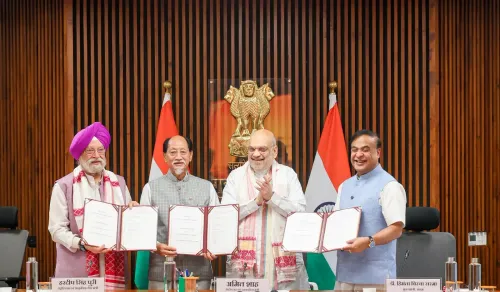
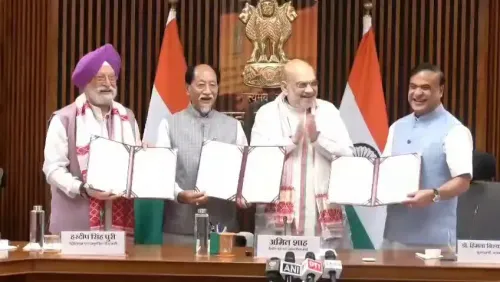
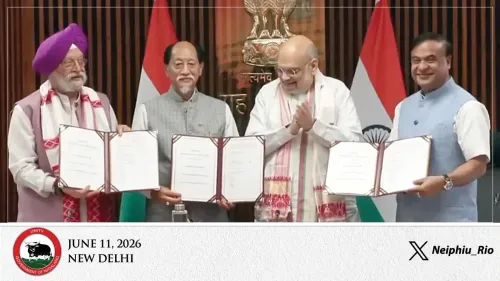
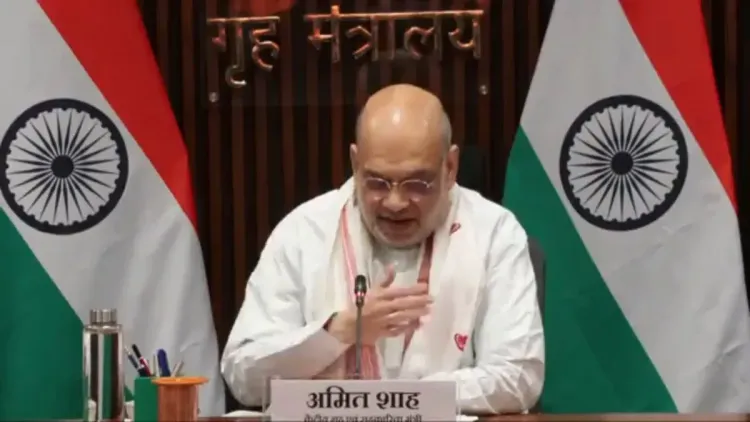
Union Home Minister Amit Shah praised Assam CM Himanta Biswa Sarma's commitment to the state's interests at the signing of a landmark Assam-Nagaland MoU on oil and natural gas exploration on 11 June 2026, marking a significant step in resolving decades-old resource and border disputes between the two northeastern states.
Key Takeaways
Assam and Nagaland signed a landmark MoU on oil and natural gas exploration on 11 June 2026 .
Union Home Minister Amit Shah was present at the signing and publicly acknowledged CM Himanta Biswa Sarma's commitment to protecting Assam's interests.
The two states have disputed jurisdiction over oil-bearing border territories since at least the 1972 interim agreement.
Public-sector oil exploration firms and border district residents are among the primary stakeholders who stand to benefit from greater legal clarity.
Key implementation details — including joint block delineation, revenue-sharing formulas, and boundary surveys — are yet to be finalised and publicly disclosed.
The accord fits a broader central-government pattern of using bilateral MoUs to manage overlapping hydrocarbon and boundary claims across the Northeast.
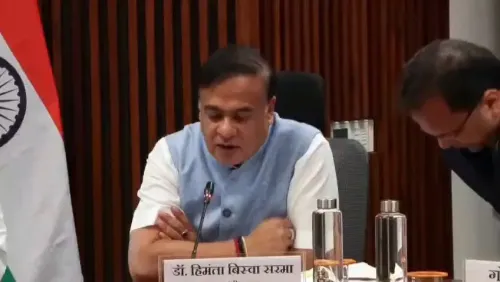
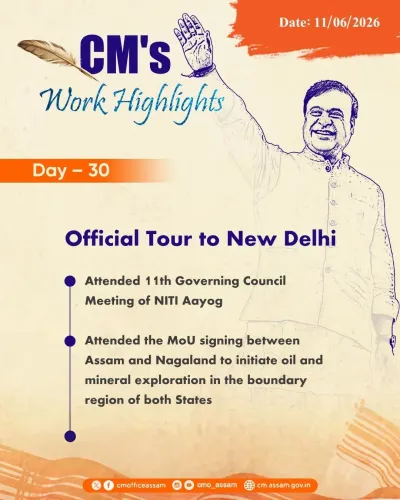
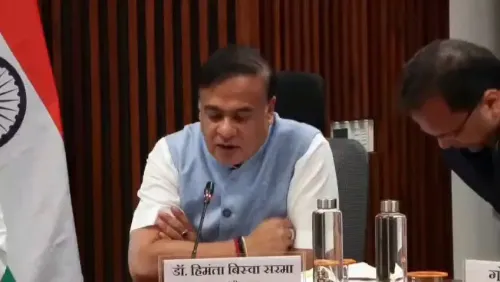
The Chief Minister's Office of Assam announced on Thursday, 11 June 2026 that Union Home Minister Amit Shah publicly acknowledged Chief Minister Himanta Biswa Sarma's commitment to protecting Assam's interests during the signing of a landmark Memorandum of Understanding between Assam and Nagaland on oil and natural gas exploration.
Context
The MoU marks a significant step in resolving long-standing overlapping claims between Assam and Nagaland over oil-bearing territories along their shared border. The two northeastern states have historically contested jurisdiction over resource-rich tracts, a dispute rooted in boundary disagreements dating to the early 1970s. The formal signing, facilitated by the Union Home Ministry, brings the Centre's mediating role to the fore in what officials are describing as a 'landmark' agreement.
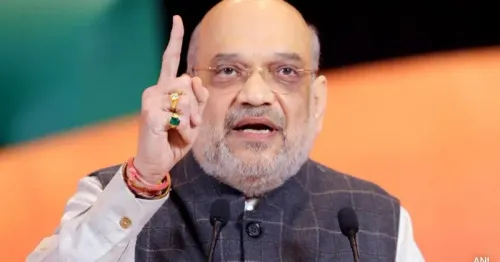
Home Minister Shah, who has overseen multiple peace accords and interstate coordination exercises in the Northeast since 2019, was present at the signing and specifically cited CM Sarma's 'steadfast commitment' to safeguarding Assam's interests — a notable public endorsement from the country's top internal-security authority.
Policy Backdrop
Assam holds some of the oldest oil-producing fields in India, with exploration and production activities concentrated in districts such as Dibrugarh and Sibsagar. Several of these blocks sit in or near the disputed boundary zone with Nagaland, creating a decades-old tension between resource revenue and territorial sovereignty. Central mediation of Assam-Nagaland border and resource disputes stretches back to a 1972 interim arrangement, with periodic rounds of talks through the 1980s and 2000s failing to produce a durable settlement.
Successive governments at the Centre have used MoUs and bilateral accords as instruments to manage overlapping hydrocarbon claims among northeastern states, integrating the region's energy potential with national supply plans while navigating ethnic and territorial sensitivities. The June 2026 agreement fits squarely within this pattern, signalling renewed political will to convert long-stalled negotiations into operational frameworks.
Stakeholders and Impact
Public-sector oil exploration companies operating in the region stand to benefit from greater legal clarity over block boundaries, potentially unlocking investment that has been held back by jurisdictional uncertainty. Residents of border districts in both states have an equally direct stake: revenue-sharing arrangements embedded in the MoU could translate into infrastructure spending and employment in communities that have historically seen little return from resource extraction on their doorstep.
For CM Sarma, the Home Minister's public acknowledgement carries political weight at home, reinforcing his government's narrative that Assam's resource rights are being defended vigorously at the national level. For Nagaland, the accord represents recognition of its claim to a share of hydrocarbon wealth from territories it has long regarded as disputed.
What's Next
Attention will now shift to the operational details embedded in the MoU — specifically the delineation of joint exploration blocks, the formula for revenue sharing between the two states, and whether follow-up boundary surveys will be commissioned to provide a durable cartographic basis for the agreement. Implementation timelines and the role of central agencies in oversight are expected to be clarified in the weeks ahead.
If the framework holds, the Assam-Nagaland oil MoU could serve as a template for resolving similar resource-boundary disputes elsewhere in the Northeast, where hydrocarbon potential and contested borders frequently intersect — making its rollout one of the more consequential administrative exercises in the region this year.
Point of View
The MoU's durability will depend almost entirely on what the fine print says about revenue splits and boundary demarcation — areas where the two states have historically disagreed most sharply. The broader implication is that if this framework succeeds, it could accelerate similar resource-sharing negotiations across other disputed northeastern borders, reshaping the region's energy and governance landscape.
NationPress
22 Sept 2026
Frequently Asked Questions
What is the Assam-Nagaland MoU on oil and gas exploration?
It is a Memorandum of Understanding signed on 11 June 2026 between the governments of Assam and Nagaland to cooperate on oil and natural gas exploration in areas along their shared, historically disputed border.
Why have Assam and Nagaland disputed oil-bearing territories?
The two states share a long-contested border, and several oil-rich tracts fall in or near that disputed zone. Overlapping territorial claims have created jurisdictional uncertainty since at least the 1972 interim boundary arrangement.
What did Amit Shah say about CM Himanta Biswa Sarma at the MoU signing?
Home Minister Amit Shah acknowledged CM Himanta Biswa Sarma's 'steadfast commitment' to safeguarding Assam's interests during the signing ceremony, as reported by the Chief Minister's Office of Assam.
How does this MoU affect oil companies operating in Assam and Nagaland?
Greater legal clarity over block boundaries is expected to reduce jurisdictional uncertainty, potentially unlocking exploration investment that has been stalled by unresolved territorial claims between the two states.
What happens after the Assam-Nagaland oil MoU is signed?
The next steps include delineating joint exploration blocks, finalising revenue-sharing mechanisms between the two states, and potentially commissioning boundary surveys to provide a lasting cartographic basis for the agreement.