Amit Shah chairs Bikaner meet, unveils 360-degree border security plan for Rajasthan
Synopsis
Home Minister Amit Shah flew to Bikaner to personally chair a border security overhaul for Rajasthan's five Pakistan-adjoining districts — a '360-degree' plan that arms District Magistrates with new powers against shell companies and mule accounts, orders demolition of illegal structures within 15 km of the border, and fuses BSF, NCB, CBDT, and state police under a single joint mechanism. The blueprint mirrors the Seemanchal crackdown in Bihar, signalling a replicable federal template for sensitive border belts.
Key Takeaways
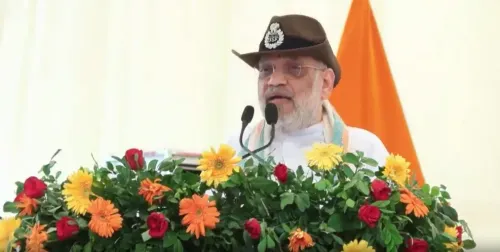
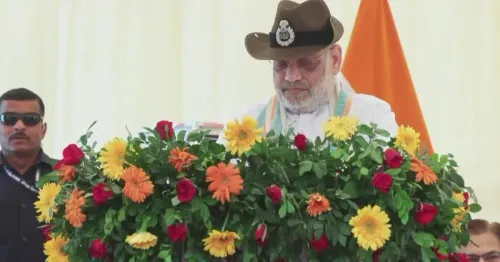
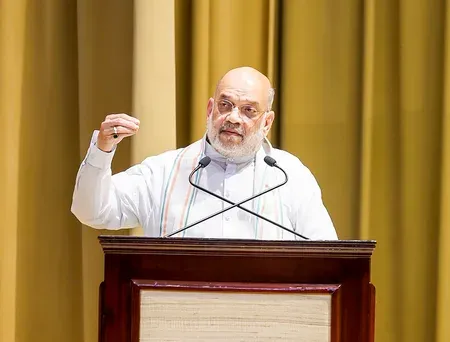
Home Minister Amit Shah chaired a high-level security meeting in Bikaner on 27 May 2025 .
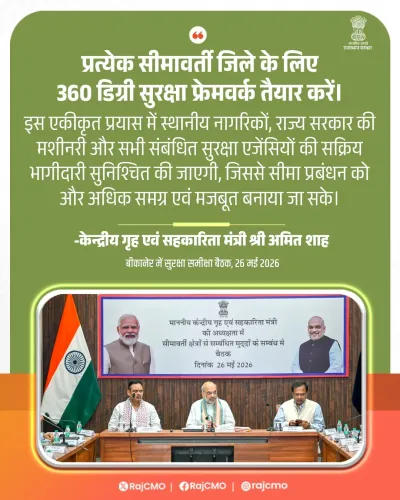
A '360-degree security plan' was formulated for Rajasthan's five border districts adjoining Pakistan.
A 'zero tolerance' policy mandates identification and demolition of illegal structures within 15 kilometres of the border.
District Magistrates received enhanced powers to act against shell companies, mule accounts, and fake Aadhaar networks.
The BSF , NCB , CBDT , and Rajasthan Police will operate under a unified joint border management mechanism .
The plan draws on the earlier anti-encroachment drive in Bihar's Seemanchal region as a precedent.
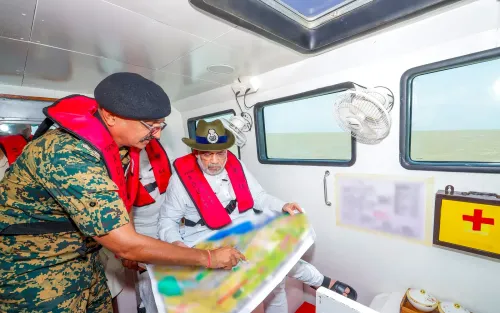
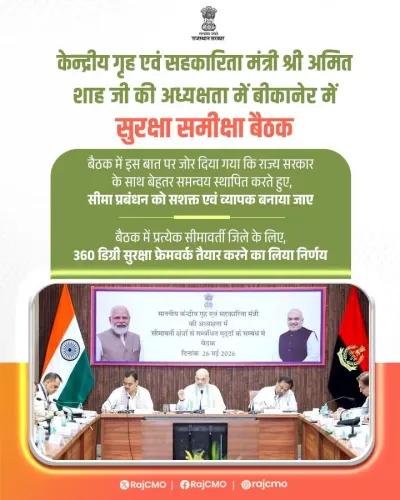
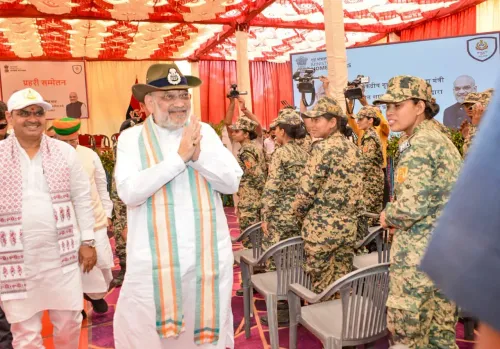
Union Home Minister Amit Shah on Tuesday, 27 May chaired a high-level security review meeting in Bikaner, where a comprehensive '360-degree security plan' was formulated to counter infiltration, cybercrime, and cross-border drug trafficking across Rajasthan's border districts adjoining Pakistan. The meeting brought together senior officials from multiple central and state agencies in what officials described as a major push to harden the India-Pakistan border belt.
Key Decisions from the Bikaner Meeting
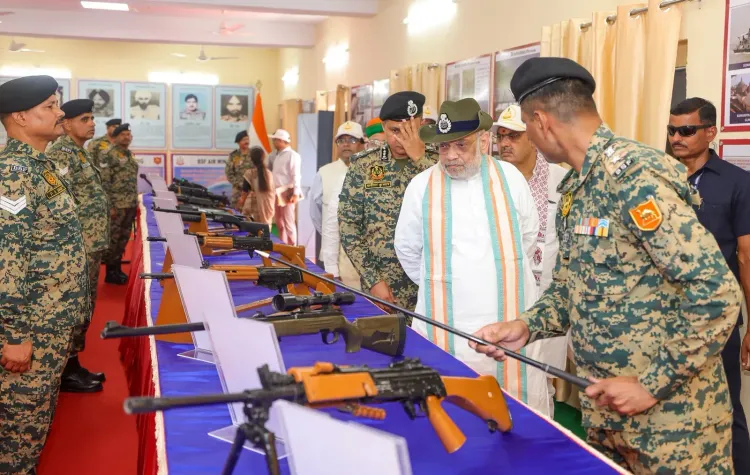
Senior representatives from the Border Security Force (BSF), Narcotics Control Bureau (NCB), Central Board of Direct Taxes (CBDT), and Rajasthan Police participated in the deliberations. District Magistrates (DMs) and Superintendents of Police (SPs) from Rajasthan's five border districts were also present.
Shah directed authorities to enforce a strict 'zero tolerance' policy against illegal constructions within 15 kilometres of the India-Pakistan border, instructing officials to immediately identify and demolish unauthorised structures that may pose security risks.
Crackdown on Cybercrime and Financial Fraud
In a significant administrative move, District Magistrates were granted enhanced powers to act swiftly against shell companies, suspicious financial transactions, and 'mule accounts' allegedly used in cyber fraud and illegal funding operations. Officials were also directed to investigate fake Aadhaar cards and suspicious financial networks active in sensitive border areas.
The meeting reviewed measures to combat cybercrime, with officials emphasising the effective use of the national cybercrime helpline '1930' for faster public response. Shah further directed strict implementation of the country's new criminal laws across the border belt.
Joint Border Management and Surveillance
Shah directed the BSF and state agencies to operate under a unified joint border management mechanism, with strengthened surveillance and real-time intelligence-sharing as core pillars. Special emphasis was placed on curbing narcotics smuggling and infiltration in the border belt — two threat vectors that officials said have intensified in recent months.
Precedent: Bihar's Seemanchal Action
According to officials, the Rajasthan initiative draws on a similar security and anti-encroachment drive earlier carried out in Bihar's Seemanchal region, where large-scale action was taken against illegally constructed properties. The Seemanchal model is reportedly being adapted for Rajasthan's specific border geography and threat profile.
What Comes Next
Rajasthan's border districts are now expected to witness intensified enforcement, stepped-up surveillance, and coordinated action by district administration, police, and central agencies under the newly announced strategy. The scale and speed of implementation will be closely watched as a test of the Centre's stated commitment to border hardening ahead of what officials have signalled is a heightened threat environment.
Point of View
Raising questions about oversight and due process. The 15-km construction ban, if enforced uniformly, will affect settled communities as much as security threats — a tension the plan does not publicly address. Whether the joint mechanism produces durable results or becomes another coordination committee on paper depends entirely on whether intelligence-sharing protocols are actually operationalised, not just announced.
NationPress
10 Oct 2026
Frequently Asked Questions
What is the '360-degree security plan' announced by Amit Shah for Rajasthan?
It is a comprehensive border security strategy formulated at a high-level meeting in Bikaner on 27 May 2025, aimed at countering infiltration, cross-border drug trafficking, cybercrime, and illegal financial activity in Rajasthan's five border districts adjoining Pakistan. The plan brings BSF, NCB, CBDT, and Rajasthan Police under a unified joint border management mechanism.
What are the key directives issued at the Bikaner security meeting?
Home Minister Amit Shah directed a 'zero tolerance' policy against illegal constructions within 15 kilometres of the India-Pakistan border, empowered District Magistrates to act against shell companies and mule accounts, and ordered strict use of the national cybercrime helpline '1930'. He also called for full implementation of the country's new criminal laws in the border belt.
Which agencies participated in the Bikaner security review?
The meeting included senior officials from the Border Security Force (BSF), Narcotics Control Bureau (NCB), Central Board of Direct Taxes (CBDT), Rajasthan Police, and other central and state agencies. District Magistrates and Superintendents of Police from Rajasthan's five border districts were also present.
How does this plan compare to earlier border security measures?
According to officials, the Rajasthan initiative is modelled on a similar security and anti-encroachment drive carried out in Bihar's Seemanchal region, where large-scale action was taken against illegally constructed properties. The Centre appears to be replicating that template for sensitive border belts in other states.
Who will be affected by the new border security measures in Rajasthan?
Residents, businesses, and property owners in Rajasthan's five Pakistan-border districts will face intensified enforcement, including checks on constructions within 15 km of the border and scrutiny of financial transactions flagged as suspicious. Cybercrime suspects and those linked to narcotics networks in the border belt are the primary targets.