Rajasthan CMO calls for 360-degree security in border districts
Synopsis
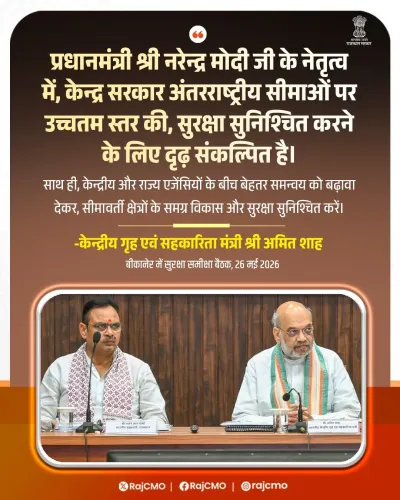
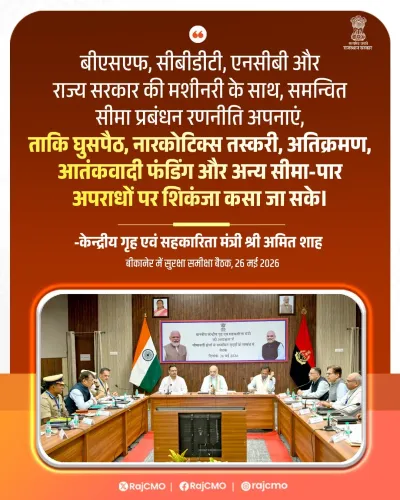
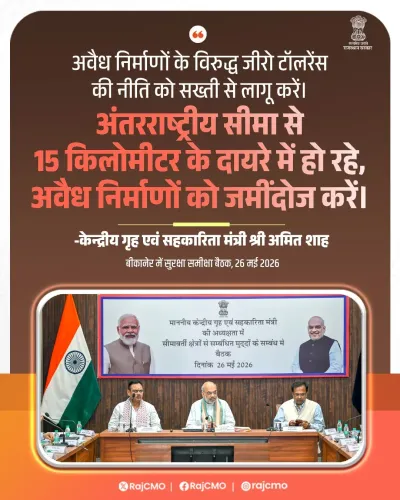
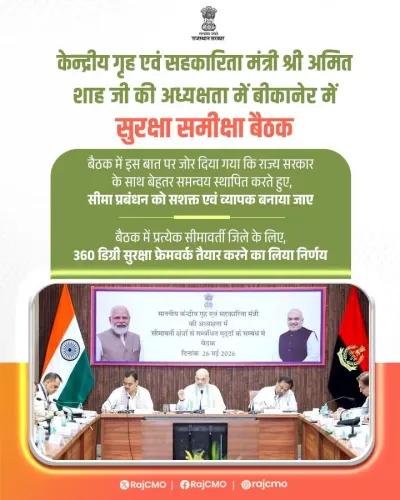
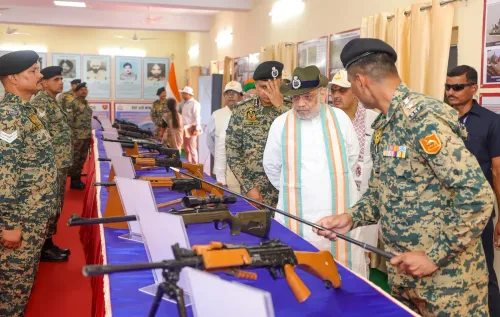
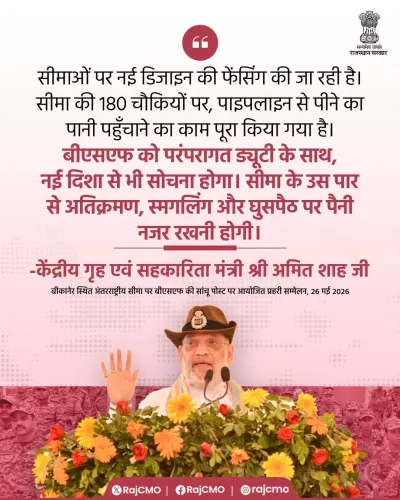
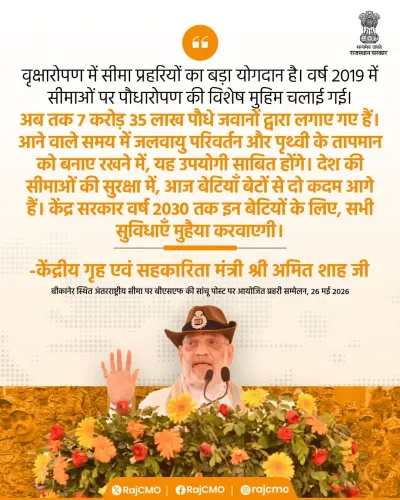
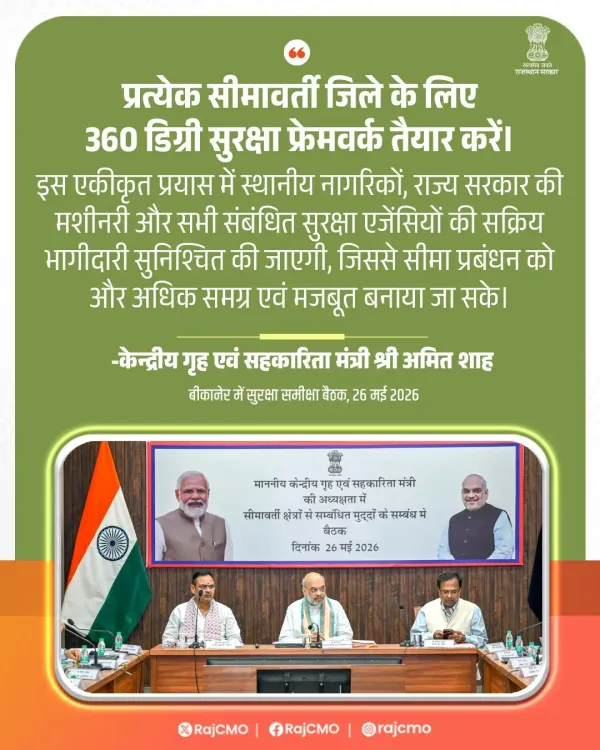
The Rajasthan Chief Minister's Office on 28 May 2026 called for a 360-degree security framework for every border district in the state, tagging Union Home Minister Amit Shah and signalling intent to align with central border-management policy.
Key Takeaways
The Rajasthan Chief Minister's Office on 28 May 2026 directed officials to prepare a 360-degree security framework for each border district.
Union Home Minister Amit Shah was tagged in the post, indicating a push for central-state coordination on border security.
Rajasthan shares a long international border with Pakistan across districts including Barmer, Jaisalmer, Bikaner and Sri Ganganagar .
The Border Area Development Programme (BADP) , active since the 1980s , provides the existing policy framework for security and development in border districts.
A 360-degree approach covers physical infrastructure, surveillance, intelligence sharing and community engagement — not just perimeter fencing.
Formal implementation orders and any joint announcements with the Ministry of Home Affairs are the next milestones to watch.
The Chief Minister's Office of Rajasthan on Thursday, 28 May 2026, directed authorities to prepare a comprehensive 360-degree security framework for every border district in the state, tagging Union Home Minister Amit Shah in the post under the hashtag #आपणो_अग्रणी_राजस्थान ('Our Leading Rajasthan').
Context
The post, shared from the official Rajasthan Chief Minister's Office account, directed officials to build a 360-degree security framework for each of the state's border districts. By tagging Amit Shah, the state government signalled its intent to align the initiative with the Union Ministry of Home Affairs, which oversees national border management policy and coordinates with state governments on internal security matters.
Rajasthan shares one of India's longest international land borders with Pakistan, stretching across arid desert districts including Barmer, Jaisalmer, Bikaner and Sri Ganganagar. These districts have historically been focal points for cross-border security operations, smuggling interdiction and civilian vulnerability assessments.
Policy Backdrop
India's approach to western frontier security has evolved over decades through a combination of physical infrastructure, surveillance technology and administrative coordination between state governments and central agencies. The Border Area Development Programme (BADP), operational since the 1980s under the Ministry of Home Affairs, has channelled funds into border districts for both security infrastructure and socio-economic development.
A 360-degree framework implies a multi-dimensional approach covering physical fencing, surveillance systems, intelligence sharing, law enforcement coordination, and community engagement — moving beyond perimeter security to encompass the full administrative and social environment of border districts. Such frameworks typically require joint planning between the state home department, district administration, the Border Security Force (BSF) and central intelligence agencies.
Stakeholders and Impact
Residents of Rajasthan's border districts stand to be the most directly affected. These communities often face unique security pressures while simultaneously dealing with limited connectivity and economic opportunity. A comprehensive security framework, if implemented, could translate into stronger law-enforcement presence, better surveillance infrastructure and improved emergency-response mechanisms at the local level.
Security forces deployed along the western frontier — including BSF battalions and state police units — would be key operational stakeholders in any such framework. Coordination between these agencies and district administrations is central to the success of integrated border-security models that India has pursued along its land frontiers.
What's Next
The directive from the Chief Minister's Office is expected to prompt follow-up action from the Rajasthan home department and district collectors in border areas. The tagging of Amit Shah suggests the state is seeking central government partnership, potentially through the Ministry of Home Affairs, for resources, intelligence infrastructure and inter-agency coordination.
Observers will watch for any formal joint announcements, implementation orders or inter-ministerial meetings that translate this public directive into a concrete, operational security plan for Rajasthan's border districts. The initiative could serve as a model for other states with sensitive international frontiers if it moves from declaration to structured rollout.
Point of View
With a direct tag to the Union Home Minister, is a deliberate signal of political alignment between the state government and the Centre on national security priorities. It fits a broader pattern in which BJP-governed states publicly coordinate with the Home Ministry on border and internal security matters to demonstrate proactive governance. The choice of the hashtag 'Our Leading Rajasthan' frames the initiative within a competitive state-development narrative, suggesting the government wants security preparedness to be seen as a pillar of its governance identity. Whether the directive translates into a structured, funded plan or remains an aspirational statement will determine its real policy weight.
NationPress
11 Oct 2026
Frequently Asked Questions
What is the 360-degree security framework for Rajasthan border districts?
It refers to a comprehensive, multi-dimensional security plan for each of Rajasthan's border districts that covers physical infrastructure, surveillance, intelligence sharing, law-enforcement coordination and community engagement, going beyond simple perimeter fencing.
Which districts in Rajasthan share a border with Pakistan?
Rajasthan's main border districts with Pakistan include Barmer, Jaisalmer, Bikaner and Sri Ganganagar , spread across the Thar Desert region.
Why did the Rajasthan CMO tag Amit Shah in the border security post?
Tagging Union Home Minister Amit Shah signals that the state government is seeking central government partnership and resources through the Ministry of Home Affairs , which oversees national border management and coordinates with state governments on internal security.
What is the Border Area Development Programme?
The Border Area Development Programme (BADP) is a central government scheme run by the Ministry of Home Affairs since the 1980s that funds security infrastructure and socio-economic development in India's border districts.
What should I watch for next on Rajasthan border security?
Watch for formal implementation orders from the Rajasthan home department, joint announcements with the Ministry of Home Affairs , and any inter-ministerial meetings that convert this public directive into an operational, funded border-security plan.