SCO Civilisational Dialogue Forum: Shekhawat calls shared heritage key to cooperation
Synopsis
India is using the first-ever SCO Civilisational Dialogue Forum to reframe the bloc's identity — nudging it from a security alliance toward a civilisational community. With Pakistan's minister citing Purana Qila as a symbol of shared heritage and India's MEA official calling for a move beyond security-centrism, New Delhi is quietly attempting a cultural pivot in its SCO presidency.
Key Takeaways
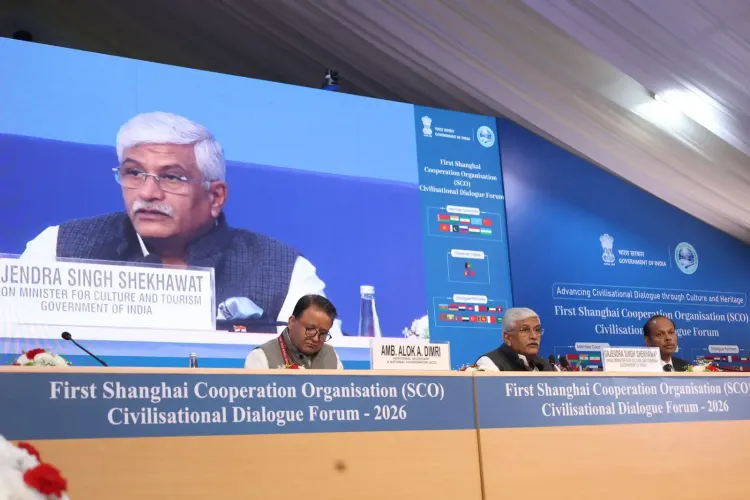
Union Culture Minister Gajendra Singh Shekhawat addressed the First SCO Civilisational Dialogue Forum in New Delhi on 21 November 2026 .
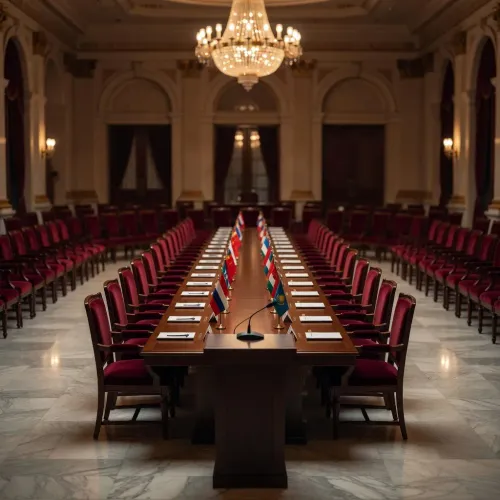
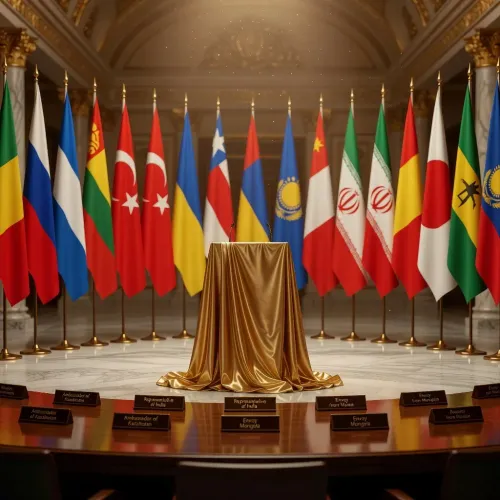
India is hosting the three-day forum from 20 to 22 November , with ministers, scholars and cultural experts from all SCO member states in attendance.
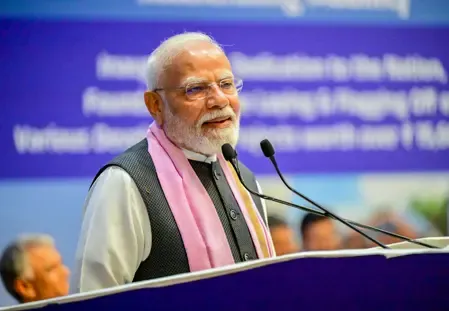
Prime Minister Narendra Modi inaugurated the event, emphasising cultural dialogue as a tool for regional cooperation.
Pakistan's Minister Musaddiq Masood Malik cited Delhi's Purana Qila as a symbol of shared civilisational heritage across the region.
MEA Additional Secretary Alok Dimri called on the SCO to expand beyond security and into culture, climate, digitalisation and youth engagement.
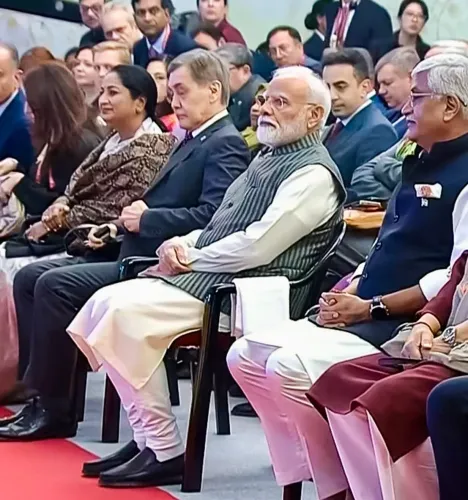
Union Culture and Tourism Minister Gajendra Singh Shekhawat on 21 November 2026 declared that shared civilisational heritage serves as a 'powerful bridge' connecting member nations of the Shanghai Cooperation Organisation (SCO), and can play a vital role in deepening mutual trust and cooperation. His remarks came on the second day of the First SCO Civilisational Dialogue Forum in New Delhi, a three-day conclave India is hosting from 20 to 22 November.
Forum Overview and Inauguration
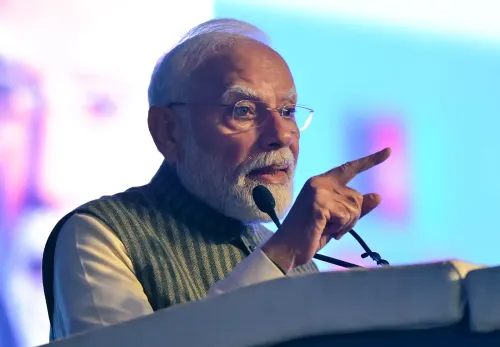
The forum has drawn together ministers, senior officials, scholars, historians and cultural experts from SCO member states and dialogue partner countries to deliberate on civilisational ties, cultural exchanges and historical linkages. It was inaugurated by Prime Minister Narendra Modi, who underscored the significance of cultural dialogue in advancing regional cooperation and understanding.
Addressing joint sessions on 'Civilisational and Cultural Expressions', Shekhawat referenced the Vedic prayer cited by the Prime Minister at the inaugural ceremony, stressing the importance of moving forward collectively through dialogue and shared understanding.
Key Remarks by Shekhawat
Shekhawat argued that historical connections among nations have long served as a foundation for friendship and cooperation. 'Our civilisations are not merely legacies of the past but living traditions that continue to guide the present and inspire future generations,' he said. He called for greater cultural exchanges, institutional partnerships and collaborative initiatives to harness the value of shared civilisational knowledge.
Culture Secretary Vivek Agrawal echoed the sentiment, describing the forum as a unique platform for SCO nations to understand their common heritage and exchange ideas rooted in shared civilisational values.
Pakistan's Intervention and Regional Symbolism
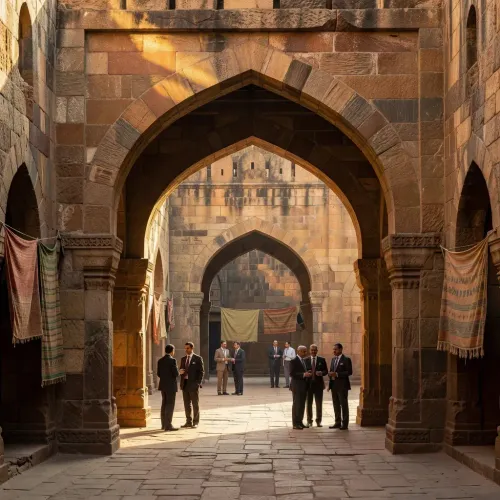
A notable contribution came from Pakistan's Federal Minister for Climate Change and Environmental Coordination, Musaddiq Masood Malik, who invoked Delhi's Purana Qila as a symbol of the region's layered history and cultural diversity. Pointing to the monument's associations with both Mughal emperor Humayun and Afghan ruler Sher Shah Suri, he said it reflected the coexistence of different traditions and identities. He stressed that 'dialogue flourishes in diversity and that civilisations grow stronger when they respect and embrace their differences.'
SCO's Evolving Mandate
Additional Secretary in the Ministry of External Affairs Alok Dimri highlighted the organisation's shifting priorities. Discussions at the forum, he said, pointed to the need for the SCO to move beyond a purely security-centric approach and expand cooperation in areas such as culture, youth engagement, climate action, digitalisation and people-to-people exchanges. This marks a broader reorientation that India, as host, appears keen to advance.
Cultural Sessions and Exhibition
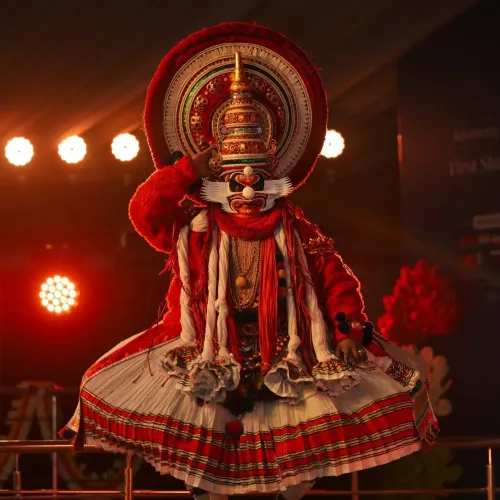
The day's proceedings also featured sessions on artistic and architectural exchanges among SCO nations, as well as the role of trade routes, merchants, monks and rulers in shaping interconnected cultures across the region. Delegates visited an exhibition titled 'The Light and the Lotus: Relics of the Awakened One' and attended a cultural programme, reinforcing the forum's objective of deepening civilisational understanding. The conclave concludes on 22 November, with further sessions expected to produce actionable recommendations on cultural cooperation.
Point of View
Not merely a security stakeholder. The presence of Pakistan's minister invoking Purana Qila as a bridge rather than a flashpoint is symbolically significant, though it should not be overstated as a thaw in bilateral relations. What is more consequential is the MEA's public call to move the SCO beyond its security-centric origins — a posture that reflects India's discomfort with the bloc's China-Russia dominated security agenda. The real test will be whether these civilisational dialogues translate into institutional frameworks, or remain a diplomatic aesthetic with no binding outcomes.
NationPress
21 Nov 2026
Frequently Asked Questions
What is the First SCO Civilisational Dialogue Forum?
It is a three-day forum hosted by India in New Delhi from 20 to 22 November 2026, bringing together ministers, scholars, historians and cultural experts from Shanghai Cooperation Organisation member states and dialogue partner countries. The forum aims to deepen civilisational understanding, cultural exchange and institutional cooperation among SCO nations.
What did Minister Gajendra Singh Shekhawat say at the forum?
Shekhawat said shared civilisational heritage is a powerful bridge connecting SCO nations and can strengthen mutual trust and cooperation. He called for greater cultural exchanges, institutional partnerships and collaborative initiatives, stating that 'our civilisations are not merely legacies of the past but living traditions.'
Why did Pakistan's minister reference Purana Qila at the SCO forum?
Pakistan's Federal Minister Musaddiq Masood Malik invoked Delhi's Purana Qila as a symbol of the region's layered history, noting its associations with both Mughal emperor Humayun and Afghan ruler Sher Shah Suri. He used it to argue that civilisations grow stronger by respecting and embracing differences.
What shift in the SCO's focus did India's MEA official highlight?
Additional Secretary Alok Dimri said forum discussions indicated a need for the SCO to move beyond a purely security-centric approach and expand into culture, youth engagement, climate action, digitalisation and people-to-people exchanges. This reflects a broader direction India appears to be championing as host.
Who inaugurated the First SCO Civilisational Dialogue Forum?
Prime Minister Narendra Modi inaugurated the forum, emphasising the importance of cultural dialogue in promoting regional cooperation and understanding. He also cited a Vedic prayer that Minister Shekhawat later referenced in his own address.