Shekhawat Opens SCO Civilisational Dialogue at Purana Qila
Synopsis
Union Culture Minister Gajendra Singh Shekhawat inaugurated the 'Civilisational and Cultural Expressions' session at the first SCO Civilisational Dialogue Forum held at Purana Qila, New Delhi, emphasising youth engagement, digital preservation, and joint research to protect shared SCO heritage.
Key Takeaways
Union Minister Gajendra Singh Shekhawat addressed day two of the inaugural SCO Civilisational Dialogue Forum at Purana Qila, New Delhi on 21 November 2026 .
He formally inaugurated the first session titled 'Civilisational and Cultural Expressions.' The Minister called for youth, artists, craftspersons, and local communities to actively participate in preserving shared civilisational heritage.
He highlighted cultural tourism, digital initiatives, and joint research as key tools for transmitting heritage to the next generation.
India has been a full SCO member since 2017 and uses the platform for civilisational soft-power diplomacy.
Purana Qila , a 16th-century fort in New Delhi, served as the symbolic venue for the multilateral forum.
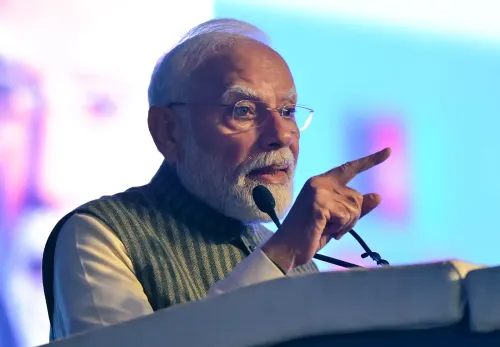
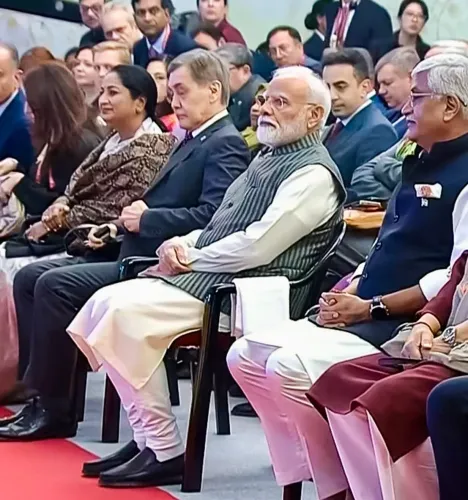
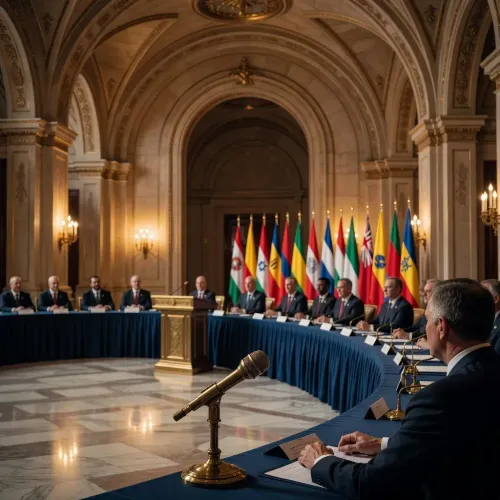
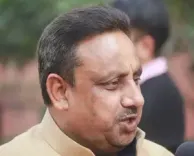
At the foot of a 16th-century Mughal fort in the heart of the capital, India sent a pointed message to the world on Saturday, 21 November 2026: civilisational heritage is not a museum artefact — it is living diplomatic currency. Union Culture and Tourism Minister Gajendra Singh Shekhawat addressed the second day of the inaugural SCO Civilisational Dialogue Forum at Purana Qila, New Delhi, formally inaugurating its first session on 'Civilisational and Cultural Expressions' and calling for youth, artists, and local communities to become the new architects of shared heritage.
What Shekhawat Said — and Why the Setting Matters
Posting in Hindi on X, the Minister shared his remarks from the forum: 'सभ्यताओं की विविध सांस्कृतिक अभिव्यक्तियों और साझा विरासत पर अपने विचार साझा किए' — 'shared thoughts on the diverse cultural expressions of civilisations and our common heritage.' He stressed that through cultural tourism, digital initiatives, and joint research, the shared legacy of SCO member nations could be preserved and transmitted to the next generation.
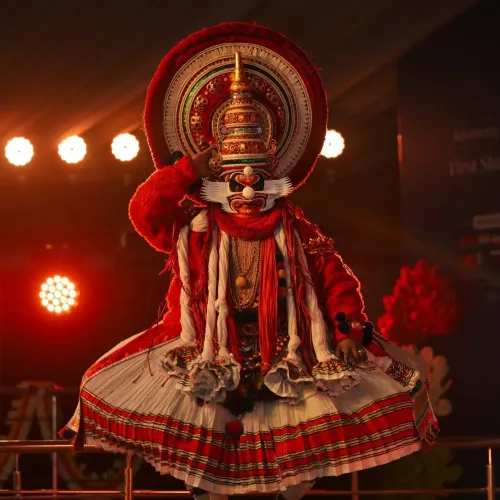
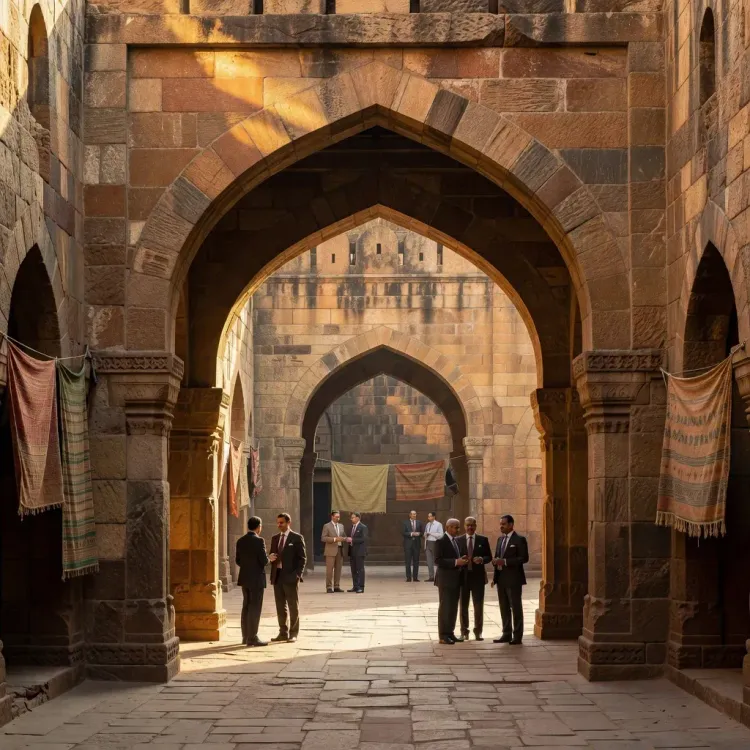
The choice of Purana Qila as the venue is itself a statement. One of Delhi's oldest standing fortifications — with occupation layers dating back millennia — it embodies precisely the kind of layered, cross-civilisational history that the SCO framework is now being asked to celebrate and protect. Hosting a multilateral cultural forum inside its sandstone walls turns the architecture into an argument.
India Inside the SCO's Cultural Architecture
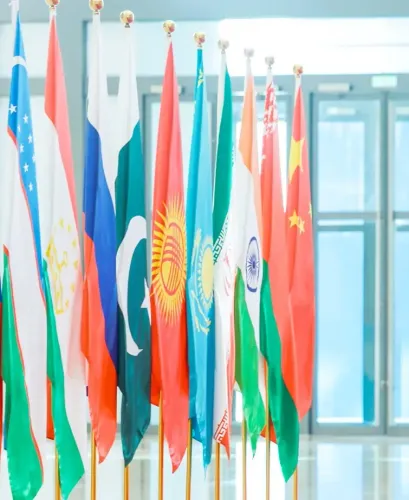
India became a full member of the Shanghai Cooperation Organisation in 2017, joining a bloc that stretches from Russia and China to Central Asian republics whose Silk Road heritage overlaps deeply with India's own. Since then, New Delhi has consistently used SCO's people-to-people contact mechanisms to project civilisational soft power — positioning India not merely as a security or economic actor within the grouping, but as a cultural anchor.
The inaugural Civilisational Dialogue Forum fits that pattern precisely. By convening artists, scholars, and local community representatives alongside diplomats, India is arguing that durable regional cooperation is built on shared memory, not just shared interest. Prime Minister Narendra Modi's office was tagged in the Minister's post — a signal that the event carries the weight of the highest levels of government.
Youth, Digital Tools, and the Next Chapter of SCO Heritage
Shekhawat's remarks placed particular emphasis on youth participation and digital preservation as the twin engines for keeping civilisational dialogue relevant beyond the conference hall. The framing is deliberate: forums like this one live or die by whether they produce tangible follow-through — joint digitisation projects, artist exchange programmes, co-authored heritage documentation. The Minister expressed confidence that the dialogue would 'establish new dimensions of cultural cooperation and mutual understanding among SCO countries.'
Whether formal agreements or joint projects emerge from this forum will be the real test of its ambition. But for now, an ancient fort in Delhi has become the stage for a conversation about what the SCO's diverse civilisations owe each other — and what they owe the future.
Point of View
SCO membership has always been about more than security cooperation; this forum extends that logic into the cultural domain, where India holds a natural comparative advantage. Shekhawat's emphasis on digital tools and youth engagement suggests New Delhi wants outcomes that outlast the conference, potentially positioning India as the convener of a permanent SCO cultural cooperation mechanism. The real measure will come if follow-on agreements — joint digitisation projects, artist residencies, or co-published heritage research — are announced in coming weeks.
NationPress
21 Nov 2026
Frequently Asked Questions
What is the SCO Civilisational Dialogue Forum?
The SCO Civilisational Dialogue Forum is a multilateral platform under the Shanghai Cooperation Organisation aimed at promoting cultural exchange, shared heritage, and people-to-people ties among member states. Its inaugural edition was held in New Delhi in November 2026.
Where was the SCO Civilisational Dialogue Forum held?
The forum was held at Purana Qila , a 16th-century historic fort in New Delhi, chosen for its deep civilisational significance.
What did Gajendra Singh Shekhawat say at the SCO forum?
Minister Shekhawat called for active participation by youth, artists, craftspersons, and local communities, and advocated cultural tourism, digital initiatives, and joint research as mechanisms to preserve and pass on the shared heritage of SCO nations.
When did India join the SCO?
India became a full member of the Shanghai Cooperation Organisation in 2017 .
What is the significance of holding an SCO cultural forum at Purana Qila?
Purana Qila is one of Delhi's oldest fortifications with occupation layers spanning millennia, making it a symbol of cross-civilisational history. Hosting a multilateral heritage forum there reinforces India's argument that the region's shared civilisational identity predates modern borders.