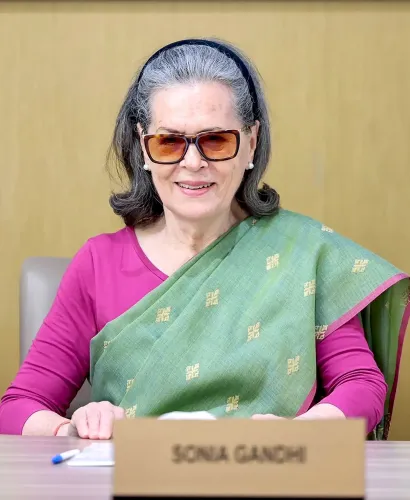
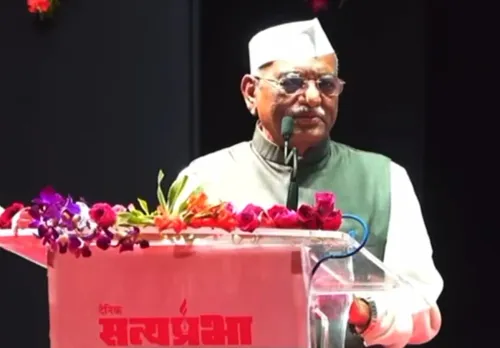
Udit Raj defends Sonia Gandhi's Babri Masjid tears: 'She wept for India's social fabric'
Synopsis
Sonia Gandhi's memoir revelation — that she cried watching the 1992 Babri Masjid demolition on TV — has reignited one of Indian politics' oldest fault lines. The BJP is questioning the credibility of her account; Congress is reframing her tears as concern for national unity. With the memoir now in circulation, expect this row to intensify before it fades.
Key Takeaways
Congress leader Udit Raj said Sonia Gandhi was 'emotional about the country's social fabric' when she allegedly wept watching the Babri Masjid demolition in 1992 .
Sonia Gandhi's memoir 'Belonging: A Journey of Love' recounts her breaking down in tears while watching coverage of the 6 December 1992 demolition on television.
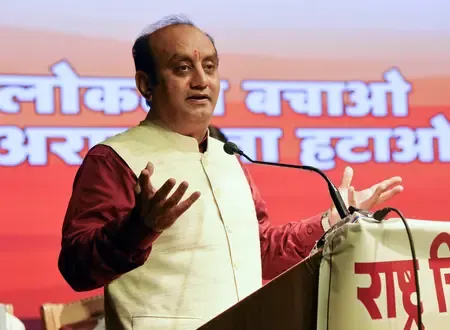
BJP spokesperson Sudhanshu Trivedi questioned whether Indian TV was broadcasting the demolition live that day and demanded clarification on the footage she reportedly saw.
Raj also attacked the BJP as a 'quadruple-engine government' , alleging deteriorating governance despite full political control in the region.
The Babri Masjid demolition remains a defining political flashpoint; the Supreme Court's 2019 verdict awarded the site to Hindus while directing an alternative plot for a mosque.
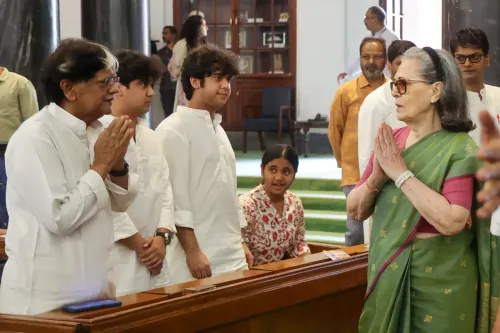
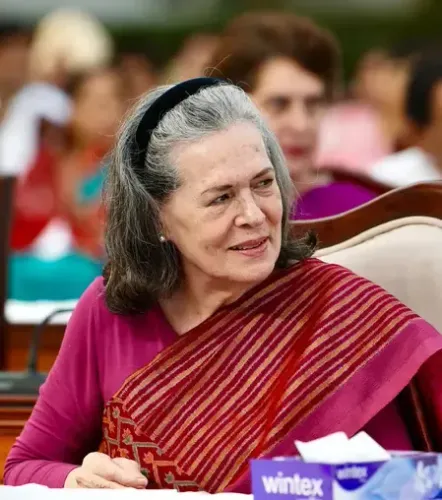
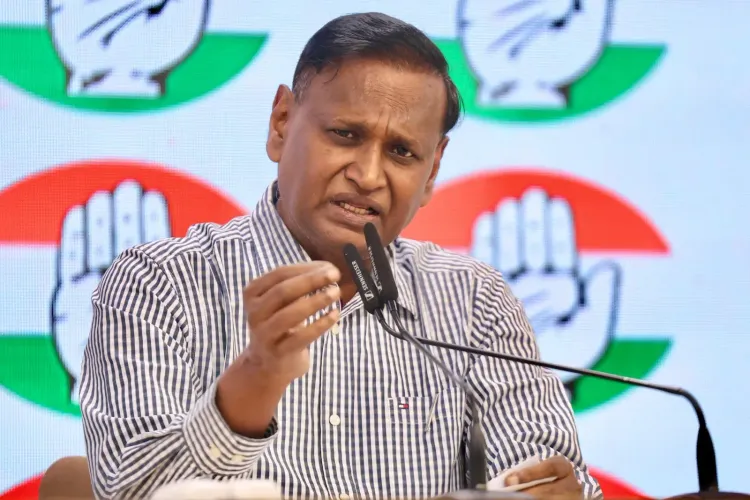
Congress leader Udit Raj on 8 November 2026 defended senior party figure Sonia Gandhi against mounting criticism from the ruling Bharatiya Janata Party (BJP) over her reported emotional response to the demolition of the Babri Masjid on 6 December 1992. Raj said Gandhi's tears were an expression of concern for the country's social cohesion, not a partisan gesture.
What Udit Raj Said
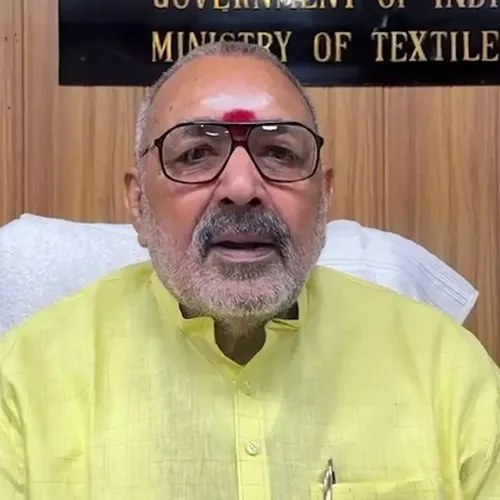
Addressing reporters in New Delhi, Raj framed the controversy as larger than the mosque itself. 'The demolition of the mosque was certainly a tragic incident. Her concern was about the country's social fabric, considering that there are 25–30 crore Muslims in this country,' he said.
He added: 'If such a large population is viewed with hatred, excluded from the mainstream and targeted, it will affect India's progress. She was crying for the country and was emotional about the condition the country was in.'
What Triggered the Row
The controversy erupted ahead of the launch of Sonia Gandhi's memoir, 'Belonging: A Journey of Love', in which she recalled breaking down in tears while watching the Babri Masjid demolition on television in 1992. The admission drew sharp reactions from the BJP.
BJP spokesperson Sudhanshu Trivedi, speaking on Saturday, argued that Indian television was not broadcasting the demolition live throughout the day, and demanded clarification about the source of the footage that had reportedly moved her to tears. He questioned whether Gandhi's sympathies lay with Ram Janmabhoomi or the mosque, asking why a party once associated with Mahatma Gandhi's vision of Ram Rajya was now allegedly invoking Babar's legacy.
Udit Raj's Broader Attack on BJP
Raj also used the occasion to broaden his criticism of the ruling alliance, calling it a 'quadruple-engine government' — a pointed jab at the BJP's 'double-engine government' campaign slogan. 'This is what will happen: the more places they come to power, the greater the damage to the country will be,' he remarked.
He alleged that with the municipal corporation, state government, Lieutenant Governor, and the Centre all under BJP control, governance had deteriorated rather than improved. 'They keep running the government by repeatedly telling lies,' he said.
Context and Background
The Babri Masjid demolition on 6 December 1992 remains one of modern India's most politically charged flashpoints, triggering widespread communal violence that killed hundreds. The Supreme Court in its landmark 2019 verdict awarded the disputed site in Ayodhya to Hindus for the construction of a Ram temple, while directing the government to provide an alternative site for the mosque. Any fresh commentary from senior political figures on the events of 1992 continues to draw intense public scrutiny, as it did this week. The timing — with Gandhi's memoir entering public circulation — has reignited long-standing debates about Congress's political positioning on the issue.
Point of View
It forces Congress onto the defensive over optics rather than substance. But the deeper question the row sidesteps is whether either party has a coherent, principled position on 1992 that extends beyond electoral calculation. Congress's reframing of Gandhi's tears as concern for 'social fabric' is defensive positioning, not a reckoning. With the memoir in bookshops, this controversy will not be settled by a spokesperson's rebuttal — it will be relitigated through every interview Gandhi gives.
NationPress
8 Nov 2026
Frequently Asked Questions
Why is Sonia Gandhi's response to the Babri Masjid demolition in the news?
Sonia Gandhi revealed in her memoir 'Belonging: A Journey of Love' that she broke down in tears while watching the Babri Masjid demolition on television on 6 December 1992. The admission has drawn criticism from the BJP and prompted Congress to issue a defence of her account.
What did Udit Raj say in defence of Sonia Gandhi?
Congress leader Udit Raj said Gandhi was not weeping for the mosque but for India's social fabric, arguing that the marginalisation of 25–30 crore Muslims would harm the country's progress. He said she was 'emotional about the condition the country was in.'
What is the BJP's objection to Sonia Gandhi's account?
BJP spokesperson Sudhanshu Trivedi argued that Indian television was not broadcasting the demolition live throughout the day, and demanded clarification about which footage Gandhi was watching. He also questioned whether her sympathies lay with Ram Janmabhoomi or the mosque.
What is Sonia Gandhi's memoir about?
Titled 'Belonging: A Journey of Love', the memoir is a personal account by Congress Parliamentary Party Chairperson Sonia Gandhi. The Babri Masjid passage is among the excerpts that have attracted public attention ahead of the book's launch.
What was the Supreme Court's ruling on the Babri Masjid site?
In a landmark 2019 verdict, the Supreme Court awarded the disputed Ayodhya site to Hindus for the construction of a Ram temple, while directing the government to provide an alternative plot for the construction of a mosque.